Local residents and youth volunteers are the first responders
An Interview with Ms Geetha Ganesh on Floods, Community Leadership, and Citizen Action in Chennai
Preetha Renganarayanan
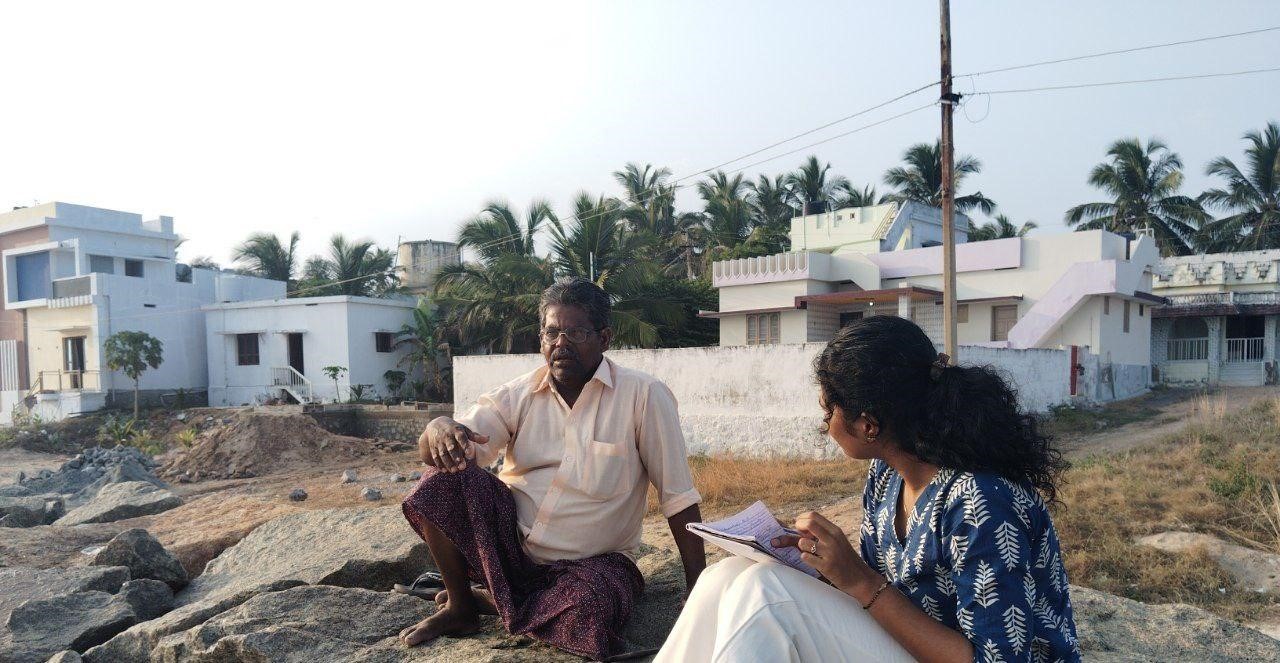
As part of the NIAS Climate Change, Civil Society and Peace (C3SP) initiative in collaboration with GPPAC South Asia, Preetha Renganarayanan, Research Assistant at the National Institute of Advanced Studies (NIAS), Bengaluru, interviewed Geetha Ganesh, Secretary of the AGS Colony Resident Welfare Association (ACRWA), Velachery West, Chennai. Located in one of Chennai's flood-prone localities, AGS Colony has witnessed repeated flooding during major rainfall events, including the devastating Chennai floods of 2015 and Cyclone Michaung in 2023. Over the years, residents have navigated severe inundation, infrastructure failures, and recurring flood risks, while simultaneously working to strengthen local preparedness and resilience.
In this interview, Geetha Ganesh reflects on the experiences of AGS Colony during major flood events, the role played by residents and community organisations, contributions of women, and the lessons Chennai must learn as climate-related disasters become more frequent and intense.
Preetha Renganarayanan: AGS Colony has experienced some of Chennai's most severe flooding events. Looking back, how do you remember the floods of 2015 and 2023?
Geetha Ganesh: During the 2015 floods, AGS Colony was badly affected by severe waterlogging, power cuts, and shortages of essential supplies such as drinking water, milk, medicines, and groceries. Many residents remained trapped inside their apartments for days. There was also almost no mobile network connectivity for extended periods, making communication extremely difficult. Families had to depend on volunteers and outsiders who waded through hip-deep water to deliver supplies and information.
The 2015 floods also became a turning point for the community. The floods led to the formation of our Resident Welfare Association. Before that, not many residents actively participated in civic issues.
While the 2015 floods are often remembered as one of Chennai's worst disasters, the impact of Cyclone Michaung in 2023 felt even more severe within AGS Colony.
Several roads were submerged under nearly six feet of water, making movement almost impossible. Water entered homes and apartment basements, causing widespread damage. Residents estimate that overall material losses exceeded INR 50 crore.
One major factor behind the flooding was the overflowing of the Veerangal Odai. At the time, the channel lacked a proper boundary wall, allowing floodwaters to flow directly into residential areas.
Preetha Renganarayanan: Based on your experience in AGS colony, whom would you identify as first responders during such disasters?
Geetha Ganesh: Local residents and youth volunteers were usually the first responders. Apartment communities and neighbours immediately began helping one another long before external assistance arrived. Because mobile networks often failed during major flood events, residents depended heavily on direct communication and volunteers physically moving between streets and apartment blocks to share information and check on vulnerable households. Government teams and corporation workers came later mainly for drainage work, clearing roads, and relief support.
Preetha Renganarayanan: How did the Resident Welfare Association and the wider community contribute to both flood response and long-term flood mitigation efforts?
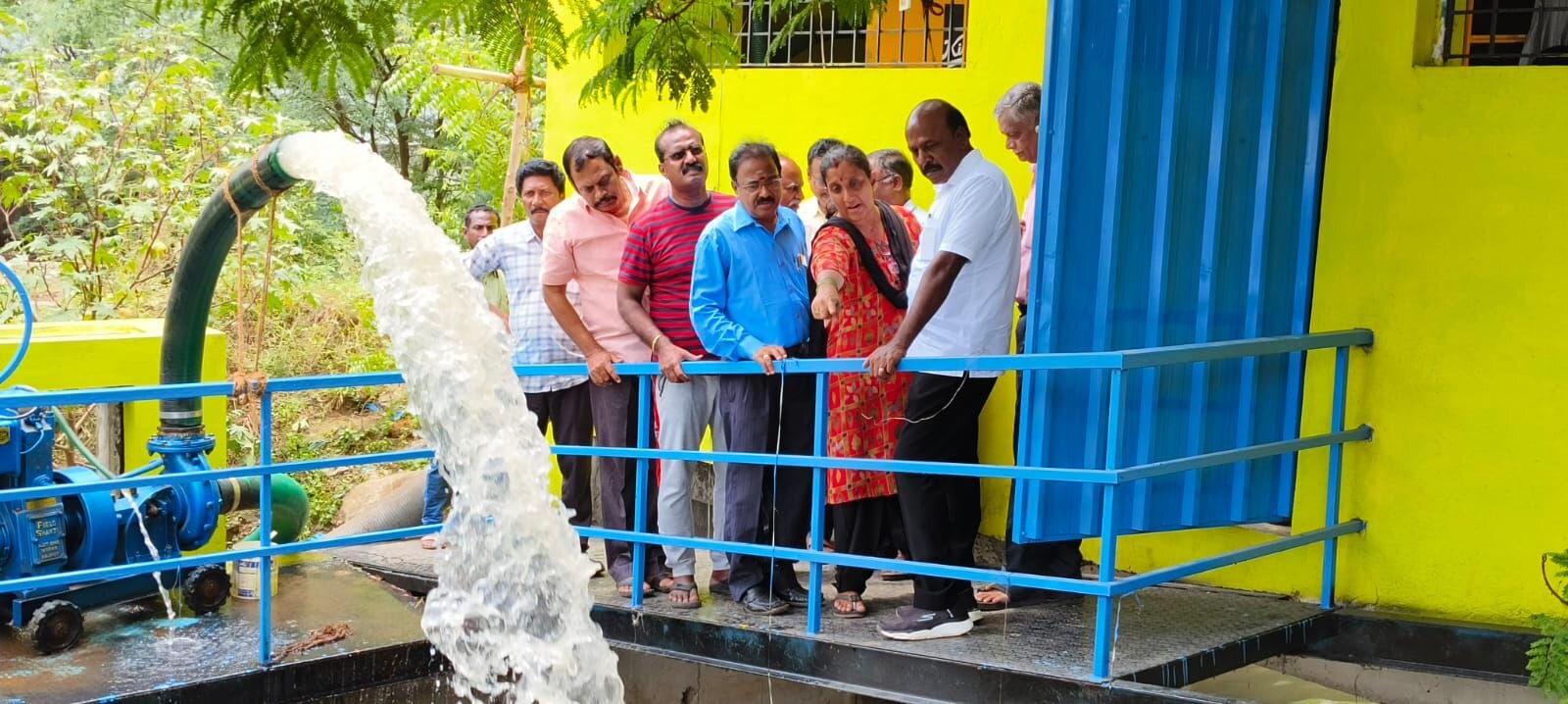
Geetha Ganesh: The AGS Colony Resident Welfare Association played an important role not only during flood emergencies but also in addressing the underlying causes of flooding. One of the association's major achievements was securing a permanent pump house for the locality. Following repeated representations by the ACRWA regarding chronic flooding issues, a pump house, considered the first of its kind in South Chennai, was constructed in 2020 and became operational in December that year. The facility has significantly improved water drainage during normal and moderate rainfall events.
The association also regularly coordinated with residents, documented local flooding issues, submitted complaints to government departments, and maintained follow-up with WRD and other officials. One notable outcome was the construction of the Veerangal Odai boundary wall in 2024 following Cyclone Michaung. The intervention helped prevent floodwaters from entering residential streets during subsequent rains.
During the 2024 rains, the water flow in the odai did not enter the residential area like before, which residents felt was a major improvement.
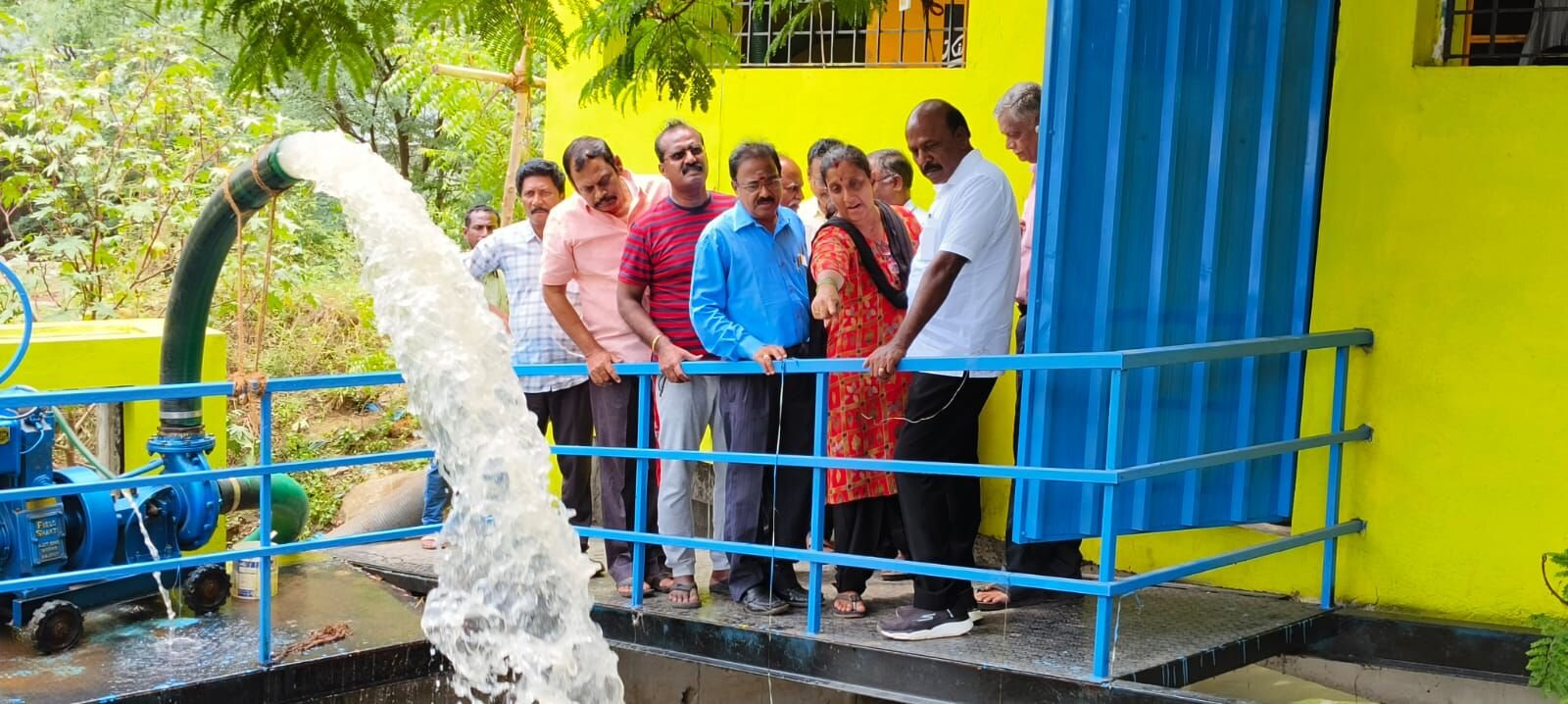
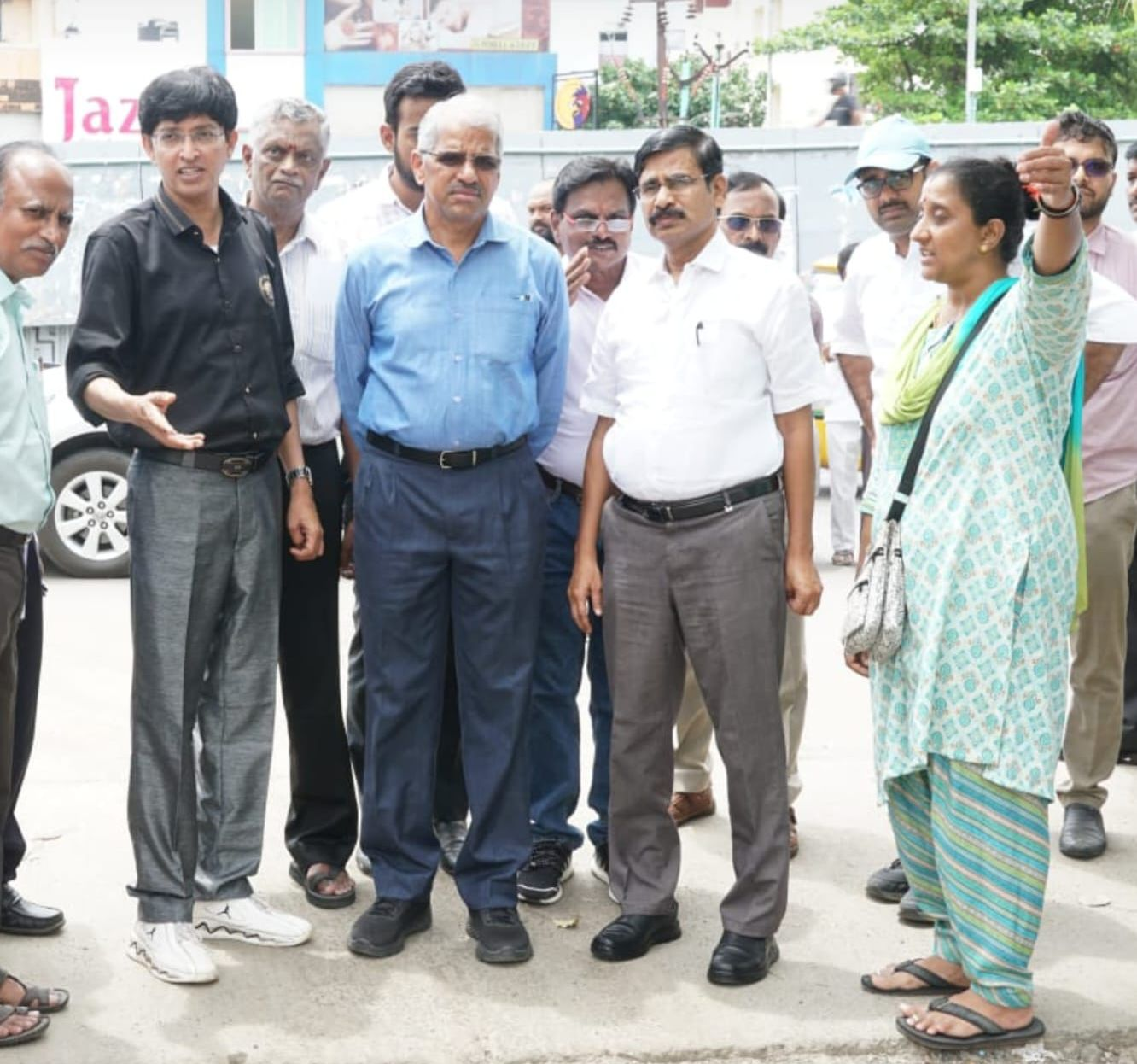
Photo Credits: Geetha Ganesh
Preetha Renganarayanan: Why do localities such as Velachery continue to experience recurring flooding?
Geetha Ganesh: Recurring flooding in Velachery is rooted in a combination of environmental and planning challenges. Poor drainage systems, shrinking lakes and wetlands, blocked stormwater drains, rapid urbanisation, and construction in naturally low-lying areas have collectively increased flood vulnerability.Velachery historically functioned as a natural water-holding region. Large-scale development without adequate planning has worsened the flooding situation.
Preetha Renganarayanan: What does the relationship between communities and government systems look like during flood situations?
Geetha Ganesh: Coordination works best at the community level. Neighbours often respond faster than formal institutions during the initial stages of a disaster because they understand local conditions and can quickly identify those in need.
The experience of AGS Colony also shows that sustained engagement between communities and government agencies can produce tangible results. The construction of both the pump house and the Veerangal Odai boundary wall came from years of follow-up and dialogue between residents and public authorities.
At the same time, challenges remain. Coordination often breaks down because of delayed responses, communication failures, and limited coordination between different departments during emergencies.

Photo Credit: Geetha Ganesh
Preetha Renganarayanan: What aspects of Chennai's flooding experience do you think are often overlooked in public discussions?
Geetha Ganesh: Public discussions on floods often focus primarily on rainfall or government responses while overlooking the lived experiences of affected communities. The scale of property destruction, emotional stress, recurring fear during every monsoon season, and the important role played by local communities and resident associations in survival and recovery are often overlooked.
Preetha Renganarayanan: What are some important lessons Chennai should learn from these floods?
Geetha Ganesh: Chennai requires stronger long-term urban planning, restoration of wetlands and water bodies, regular maintenance of stormwater drainage systems, reliable emergency communication networks, and greater investment in local disaster preparedness. For localities such as AGS Colony, improving drainage and preventing overflow from channels such as the Veerangal Odai remain key priorities. One major lesson from the floods is that strong resident associations and sustained community engagement with government authorities can genuinely improve flood resilience.