When the fields burn before harvest
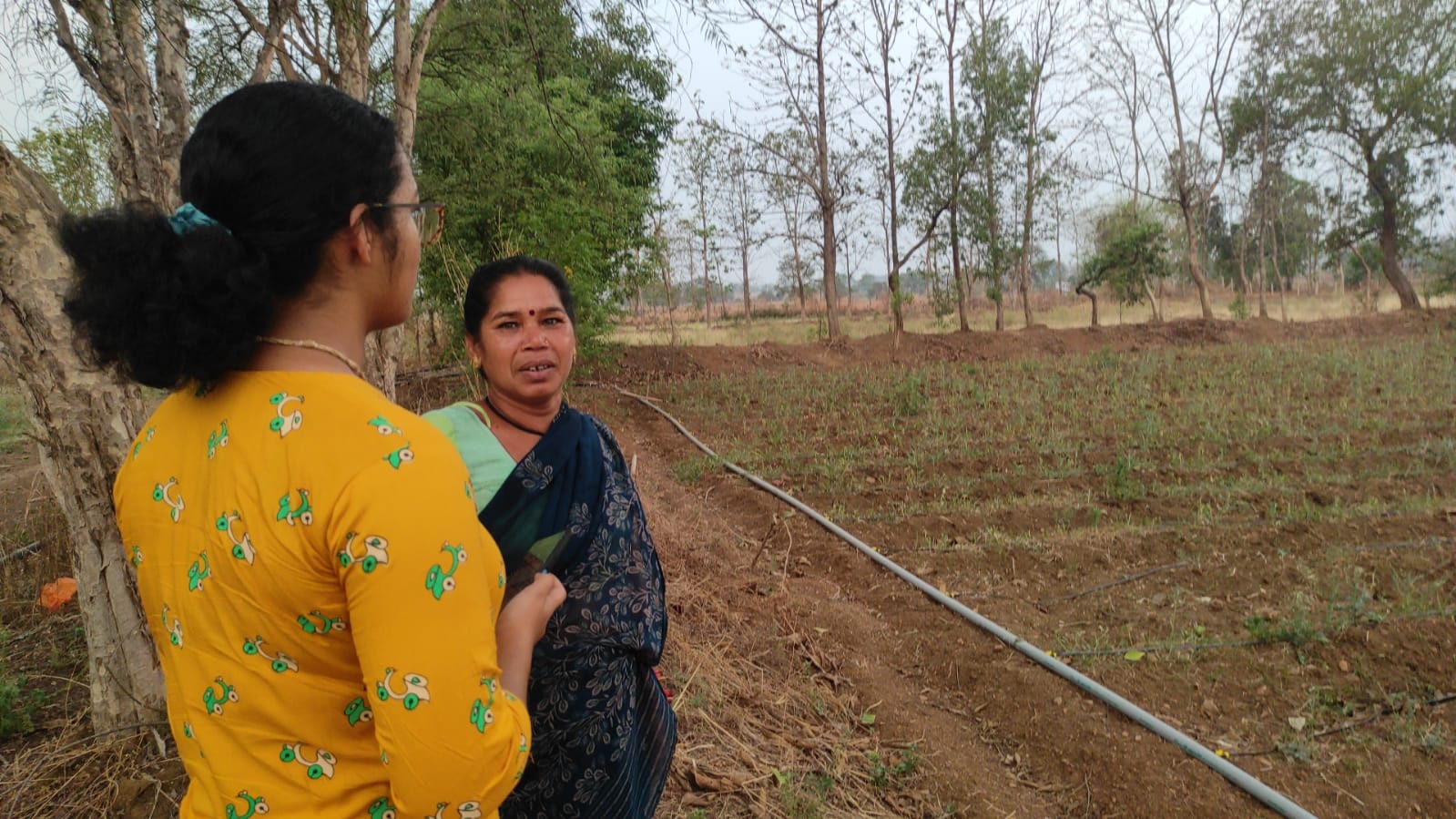
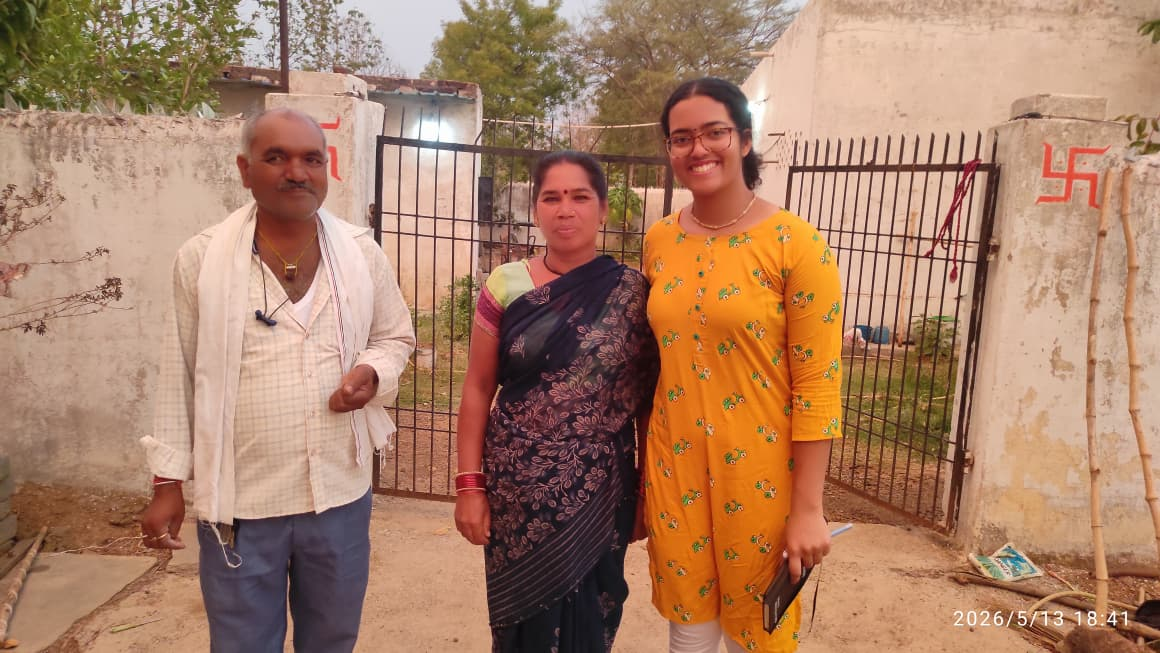
In a village near Bhilai in Chhattisgarh, Risali, under the intense afternoon heat of the summer season, a local farming family walked through their agricultural fields describing a reality that has become increasingly common across rural India. The farmer, Rameshwari Kamdi, and her husband, both dependent on agriculture for livelihood and household sustenance, cultivated multiple crops including bhindi (okra), onions, gawarfalli, khatta bhaji, barbatti, and other seasonal vegetables. Having moved to the Risali region around 2014, the family explained how agricultural conditions and rising temperatures had become increasingly difficult over the years. However, during the most recent cultivation cycle, much of the produce was severely damaged before harvest due to extreme heat exposure.
As they guided us through the farmland, the visible effects of heat stress could still be observed across sections of the agricultural area. According to the family, unusually high temperatures had caused what they described as “heat burn” in the crops, reducing productivity and resulting in significant economic losses. Despite watering the fields daily, the crops continued to dry and burn under the severe heat conditions. The family explained that even coolers had become ineffective during peak summer temperatures. Crops that traditionally survived seasonal heat were increasingly unable to withstand prolonged and intense temperature conditions.
India has witnessed a steady rise in extreme heat events over the past several decades. According to the India Meteorological Department (IMD), the frequency and duration of heatwaves across central India have increased considerably, with states such as Chhattisgarh increasingly experiencing prolonged periods of extreme temperature during summer months. The Intergovernmental Panel on Climate Change (IPCC) has also warned that South Asia is likely to witness more frequent and intense heat extremes as global temperatures continue to rise. Such changes pose severe risks for agriculture-dependent populations, particularly small and marginal farmers with limited access to irrigation infrastructure, climate-resilient seeds, or financial safety nets.
The farmer explained that agriculture has become increasingly unpredictable. During winters, they are usually able to cultivate multiple vegetable crops successfully, but recent temperature patterns have disrupted traditional seasonal expectations. They estimated that nearly Rs. 20,000 worth of seeds and crops had already been lost during the season. A single half-kilogram packet of bhindi seeds alone reportedly cost nearly Rs. 4,000, while other crops such as kalinder were also damaged.
According to the family, approximately 12 hours of labour every day was spent watering and maintaining the crops despite continuous losses. Traditional seasonal expectations are no longer reliable, making cultivation decisions far more uncertain than in previous decades. Vegetable farming, which once provided relatively stable seasonal income, has become vulnerable to sudden temperature spikes and irregular climatic conditions.
Despite the losses suffered during the previous crop cycle, the family had begun preparing for dhan (rice) plantation in the hope that the upcoming monsoon season would provide better conditions for cultivation. However, they also stressed the urgent need for a borewell, explaining that the available dam water supply was insufficient for sustaining cultivation during extreme heat periods. The family mentioned that they had repeatedly raised concerns and complaints regarding water access and irrigation support.
The interaction highlighted how climate change directly affects not only agricultural productivity but also emotional and economic stability within rural households. Repeated crop failure creates uncertainty regarding income, debt, future investments, and food security. According to reports by the Ministry of Agriculture and Farmers’ Welfare, extreme weather conditions such as droughts, unseasonal rainfall, and heatwaves are increasingly affecting agricultural productivity across India. Chhattisgarh, despite being agriculturally significant, remains highly vulnerable due to dependence on seasonal rainfall and traditional farming systems.
The conversation also revealed the important role women play within agricultural households. The farmer’s wife actively participated in explaining cultivation practices, crop conditions, and seasonal changes, demonstrating that climate-related agricultural stress affects entire families rather than individual farmers alone. Women often shoulder additional responsibilities during periods of agricultural loss, including household management, water collection, and support work related to cultivation.
This interaction transformed climate change from a statistical concept into a lived rural reality. Standing amidst damaged crops while listening to the experiences of the farming family demonstrated how rising temperatures and climatic instability are gradually reshaping livelihoods, food production systems, and rural life across Chhattisgarh.