Women holding communities together
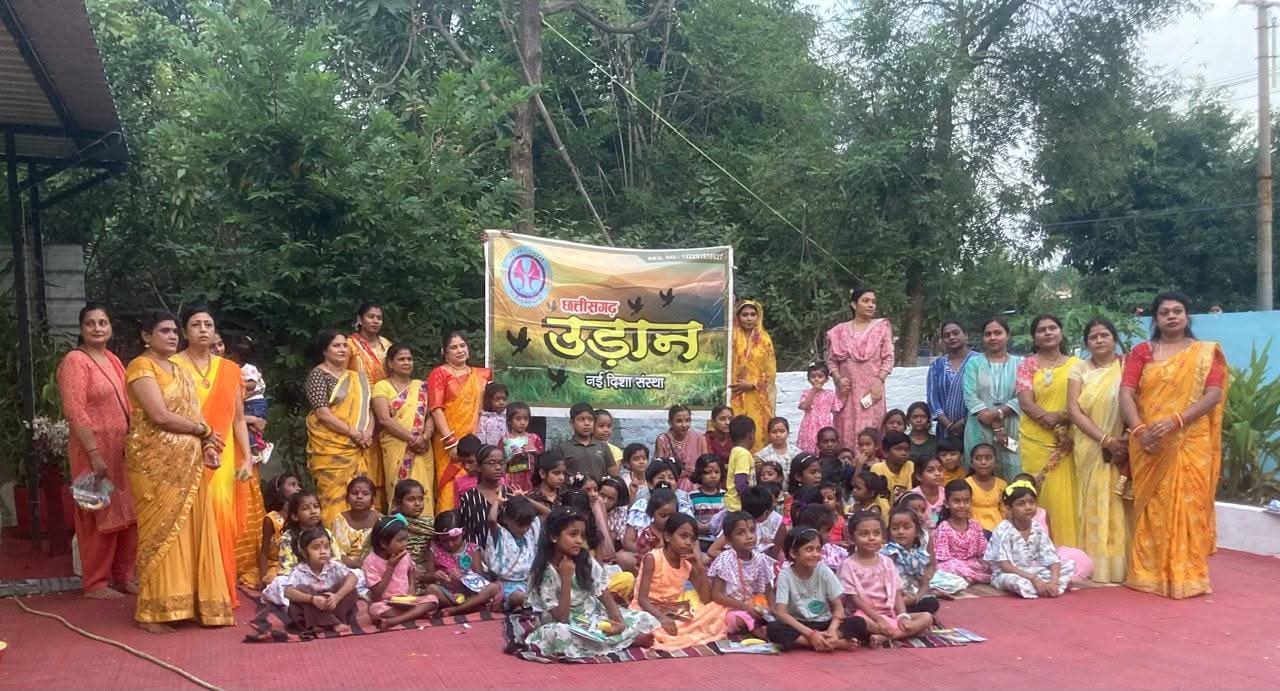
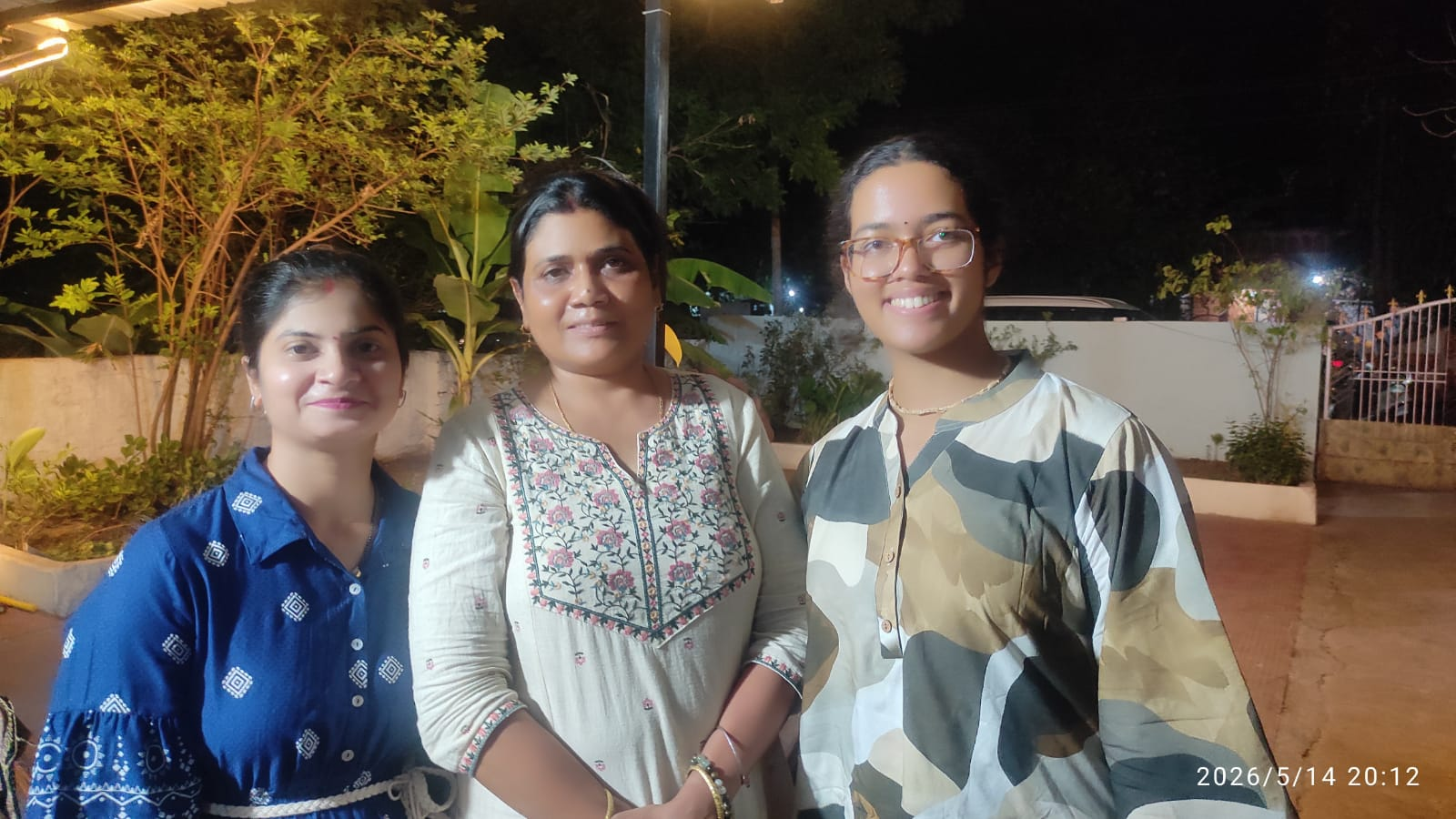
Climate change and environmental instability do not affect all communities equally. Women, particularly in vulnerable and economically weaker households, often experience disproportionate burdens during periods of environmental stress, livelihood disruption, and economic instability. This reality became evident during the interaction with Nidhi Chandrakar, a women’s NGO founder and grassroots social worker engaged extensively in community welfare and women’s empowerment initiatives in Chhattisgarh.
Through years of grassroots engagement, she has worked with women, rural communities, and socially vulnerable groups on issues related to livelihood support, social awareness, health, education, and collective participation. According to her, the primary goal of her work has always been to make village women economically self-sufficient and socially independent. During the interaction, she described how climate-related disruptions such as water scarcity, agricultural instability, migration, and economic pressure often increase the responsibilities placed upon women within households and communities.
Across rural India, women frequently serve as the primary managers of domestic responsibilities including food preparation, caregiving, water collection, and household resource management. During environmental crises such as droughts, heatwaves, or livelihood disruptions, these responsibilities become even more difficult. According to UN Women and various climate vulnerability studies conducted in India, climate change intensifies existing social inequalities by increasing unpaid labour burdens and reducing livelihood security for women in vulnerable communities.
Nidhi Chandrakar explained that many women continue to face challenges related to financial dependence, limited access to healthcare, lack of educational opportunities, and restricted participation in decision-making processes. She also expressed concern that after the COVID-19 pandemic, dependence on government support schemes among some economically weaker communities had increased to the point where regular community participation and willingness to work had declined in certain areas. Grassroots organisations and community groups therefore become important spaces for awareness-building, support networks, and local mobilisation.
However, she explained that one of the biggest obstacles faced by independent social workers remains lack of funding and political backing. According to her, she deliberately avoids political favouritism and therefore has not accepted political funding despite repeated financial difficulties. She mentioned that several programmes conducted by her organisation had to be self-sponsored by her team, with one recent programme reportedly leaving them in nearly Rs. 55,000 worth of debt. Through her work, she has attempted to encourage greater community participation and collective engagement among women in local development and social welfare initiatives. She stated that funding support often comes with expectations of political or financial returns, which she has consistently resisted despite institutional and economic pressure.
The discussion also reflected the broader relationship between social resilience and climate resilience. A major environmental contribution discussed during the interaction was her work on seed ball initiatives in Chhattisgarh. These seed balls, made from fruit seeds, soil, and organic fertiliser prepared from cow dung, were designed to grow naturally when dispersed in open land areas after rainfall. According to her, approximately 15,000–20,000 seed balls had been distributed through associated programmes, including requests from organisations such as the SSB. She explained that the seed balls were resistant to animal grazing and required minimal maintenance after dispersal.
Communities that possess stronger support systems, better awareness, and greater collective participation are often more capable of responding to environmental stress and economic disruption. Her work demonstrated that climate adaptation is not only about technology or infrastructure, but also about strengthening social structures and empowering vulnerable groups. Additional innovations developed through her initiatives included gobar diyas, organic clay and soil idols, dhaan-based rakhis, decorative badges, and environmentally sustainable craft products designed using agricultural materials and recycled resources. Several of these creations were reportedly presented to public officials and officers, including administrative authorities and naval personnel, while also being taught in schools and local workshops.
The interaction highlighted the critical role civil society organisations play in addressing local vulnerabilities that may not always receive adequate institutional attention. Despite possessing degrees in sociology, Sanskrit, pathology, data science, banking, and classical music studies, she explained that many of her professional ambitions were interrupted after marriage despite previously operating a clinic and working at a nursing home. Her experiences reflected the additional personal and social barriers often faced by women attempting to sustain independent social initiatives. Grassroots social work helps bridge the gap between communities and formal systems while simultaneously building awareness regarding rights, welfare access, and environmental concerns.
This discussion reinforced the understanding that climate change is deeply connected with social justice and gender inequality. Environmental vulnerability often reflects existing inequalities within society, making women’s empowerment and grassroots participation essential components of long-term climate resilience.