Heatwaves and a Hospital Ward
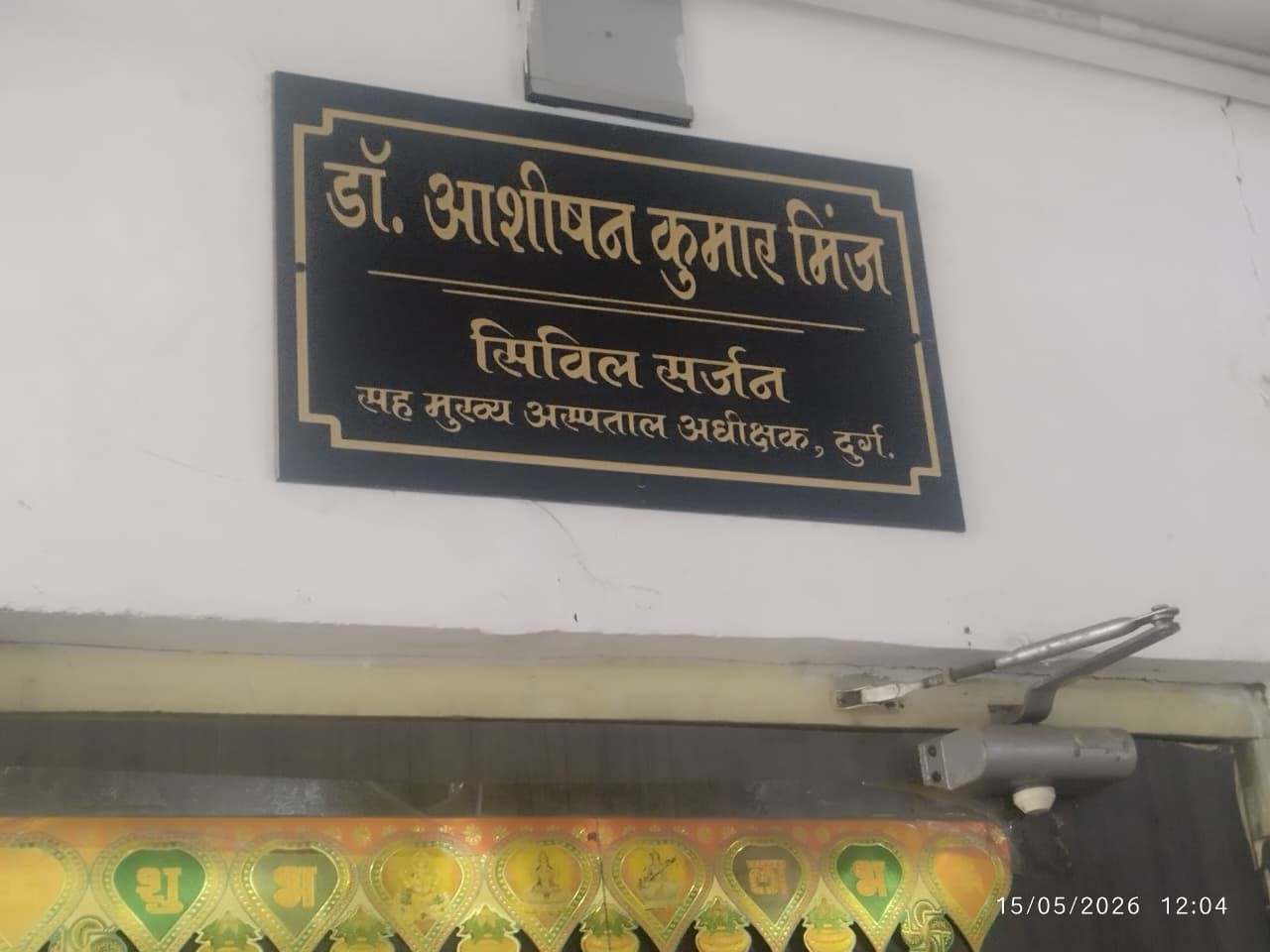
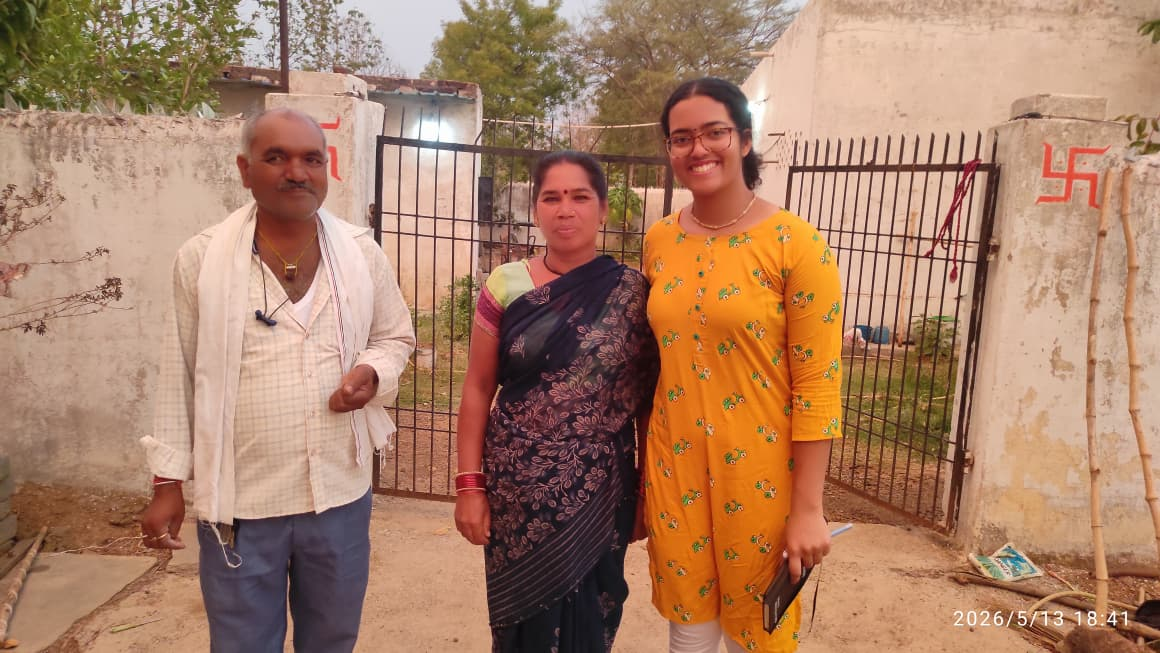
The impacts of climate change are increasingly visible not only in forests, farms, and industrial regions, but also within hospitals and public healthcare systems. This reality became particularly evident during an interaction with Dr. Ashishan Kumar Minj, Chief Surgeon at the district hospital in Durg, one of the largest government healthcare institutions in Chhattisgarh.
The discussion focused on the growing number of heat-related illnesses and the ways in which rising temperatures are beginning to reshape public health infrastructure and emergency preparedness. Dr. Ashishan Kumar Minj, serving as Civil Surgeon, explained that the month of May remains one of the most severe periods for heat-related emergencies within the district. Cases involving dehydration, heatstroke, heat exhaustion, weakness, and temperature-related medical complications have become increasingly common during summer periods marked by extreme heat conditions.
To address these challenges, the hospital established a specialised “loo prabandhan room” dedicated to treating patients affected by severe heat exposure. The facility reportedly included five designated beds, including separate arrangements for male and female patients, cooling infrastructure, two immersion bathtubs for emergency cooling treatment, and a rapid ice-making machine capable of preparing ice within minutes for emergency temperature reduction procedures. The ward included cooling infrastructure and designated beds for stabilising and monitoring patients suffering from heat-related emergencies. Such measures reflect the growing recognition within public healthcare systems that climate-related illnesses are becoming recurring public health concerns rather than isolated seasonal incidents.
According to the World Health Organization (WHO), climate change is expected to contribute significantly to increased heat-related morbidity and mortality globally. India has already experienced several deadly heatwaves over the past decade, particularly across northern and central regions. Heatwaves disproportionately affect elderly individuals, outdoor labourers, children, and economically weaker populations who often lack access to cooling infrastructure and healthcare resources. According to Dr. Minj, manual workers in urban areas remain among the most vulnerable groups because of prolonged exposure to outdoor heat conditions during peak daytime temperatures.
Dr. Minj explained that public hospitals often face additional pressure during extreme weather conditions due to high patient inflow and limited infrastructure resources. Heat exposure can worsen existing medical conditions while simultaneously increasing demand for emergency care services. The discussion also touched upon broader climate-related health concerns such as vector-borne diseases, pollution-related illnesses, biological magnification, nutritional deficiencies, and mineral deficiencies associated with worsening environmental and socio-economic conditions. He emphasised the growing need for both public infrastructure expansion and individual self-care practices during periods of extreme heat.
The interaction highlighted the important role government healthcare institutions play in climate adaptation and emergency response. Hospitals are increasingly required to modify infrastructure, strengthen preparedness systems, and create awareness regarding preventive healthcare measures related to extreme weather events.
This conversation demonstrated that climate change is not merely an environmental issue but also a serious public health challenge. Rising temperatures directly affect human bodies, healthcare systems, institutional preparedness, and social wellbeing, particularly in regions where vulnerable populations rely heavily on public healthcare infrastructure.