The 2026 Nepal Floods: The Challenge of remote regions, Early warning and Disaster response mechanisms in Nepal
In the news
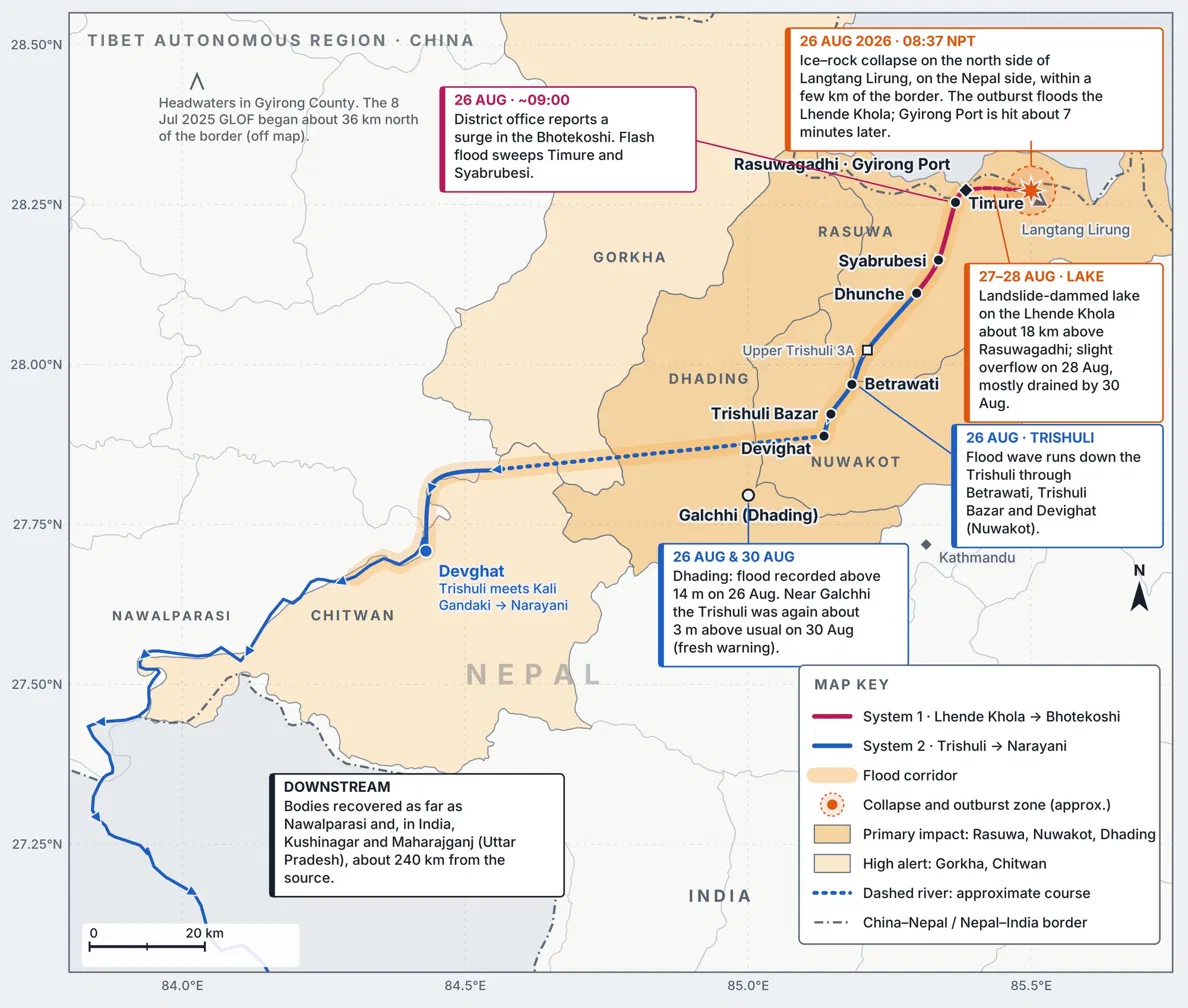
On 26 August, The Kathmandu Post reported that the Rasuwa District Administration Office received reports of a surge in the Bhotekoshi River that could increase the risk of downstream flooding towards the Trishuli River. A flash flood swept through the Timure and Syabrubesi areas of Rasuwa. The flood's origin is situated in a high-vulnerability zone for Glacial Lake Outburst Floods (GLOFs).
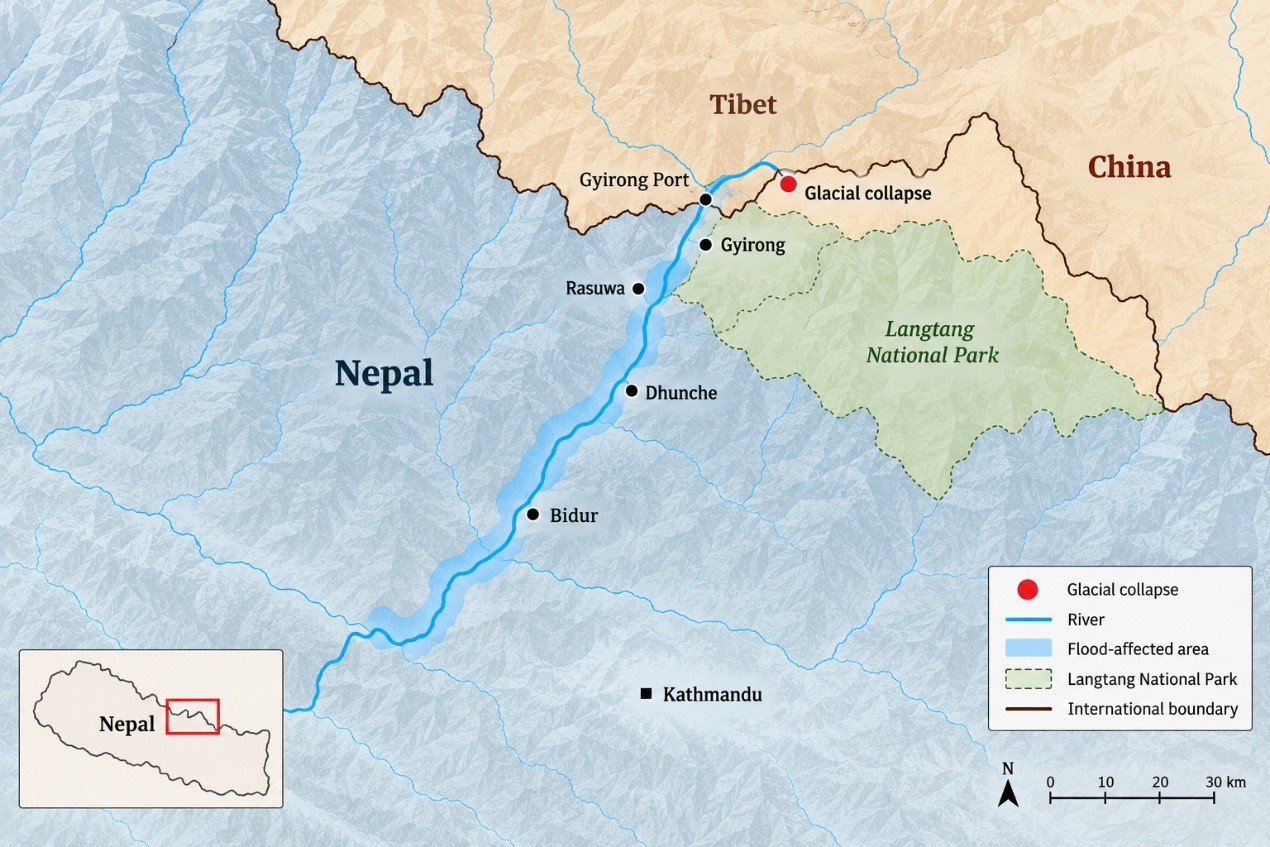
The disaster was triggered by a massive rock-and-ice avalanche following a glacial collapse on the Langtang Lirung peak, a subrange of the Nepalese Himalayas. As there were no rains before and during the floods, a glacial lake burst was suspected. According to available news reports, the primary trigger was glacial collapse and debris flow, potentially involving water and ice released during the collapse.
On 28 August, The Kathmandu Post reported that the confirmed death toll from the flood reached 538, with 977 still missing. The Nepali Army notified the Rasuwa Chief District Officer that the newly formed barrier lake near the Chhochen Khola-Purepu Tsangpo confluence had breached. The US Geological Survey confirmed that there was no earthquake, and the 4.4-magnitude signal was a result of a glacier collapse that led to the Bhotekoshi flood.
Issues at large
1. Remote regions and limited early warning systems in the Himalayas
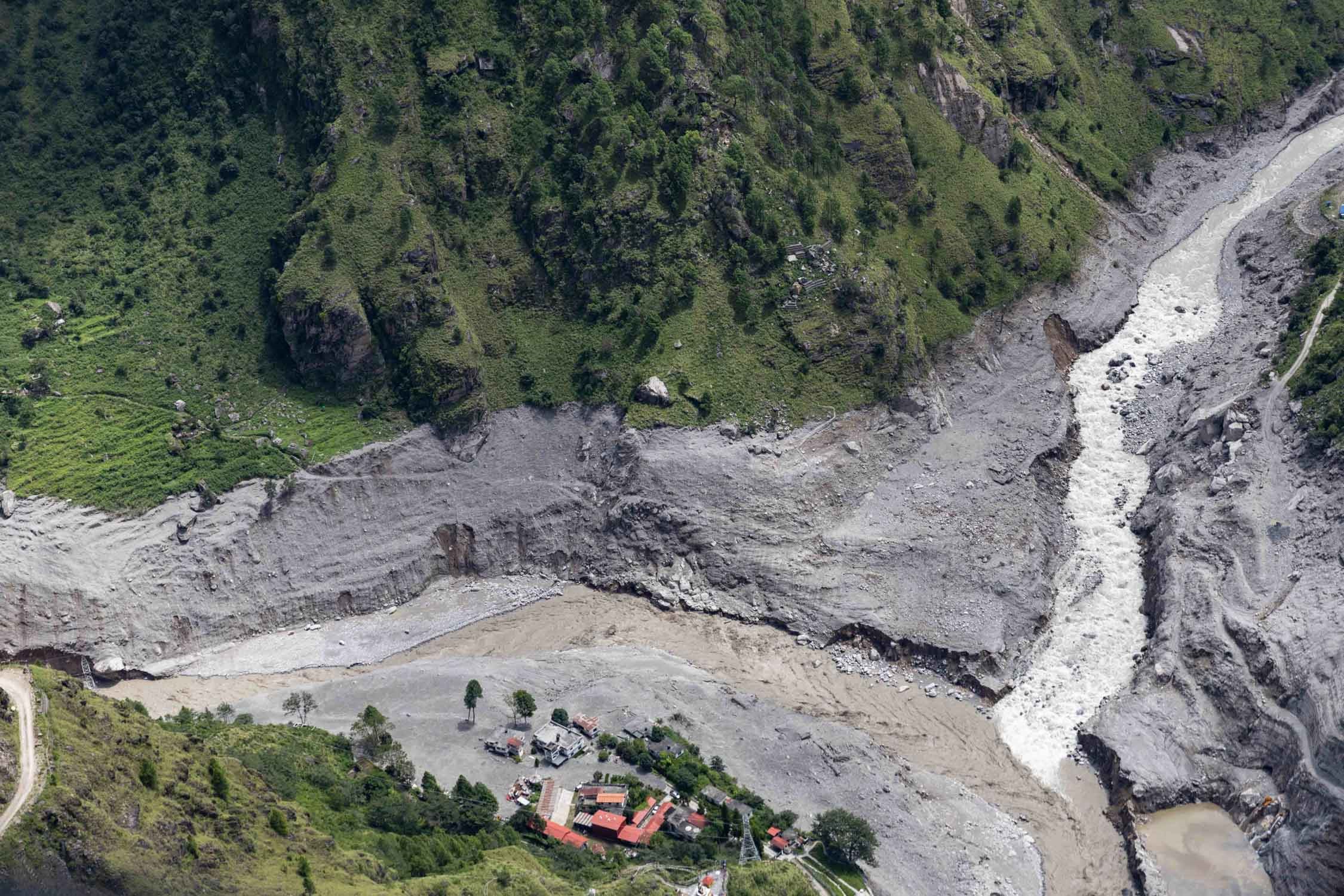
The initial collapse occurred in an extremely remote region near the Nepal–China border, while the resulting debris flow travelled nearly 100 kilometres downstream along the Bhotekoshi and Trishuli river systems. The region’s steep terrain, limited road connectivity and destruction of access routes severely complicated rescue operations. Although Nepal had routine flash-flood warnings in place, there was no specific warning predicting the sudden glacial collapse and resulting flood wave; the flood arrived within minutes, highlighting the limitations of existing transboundary early-warning systems.
2. Destruction of critical infrastructure and resulting isolation
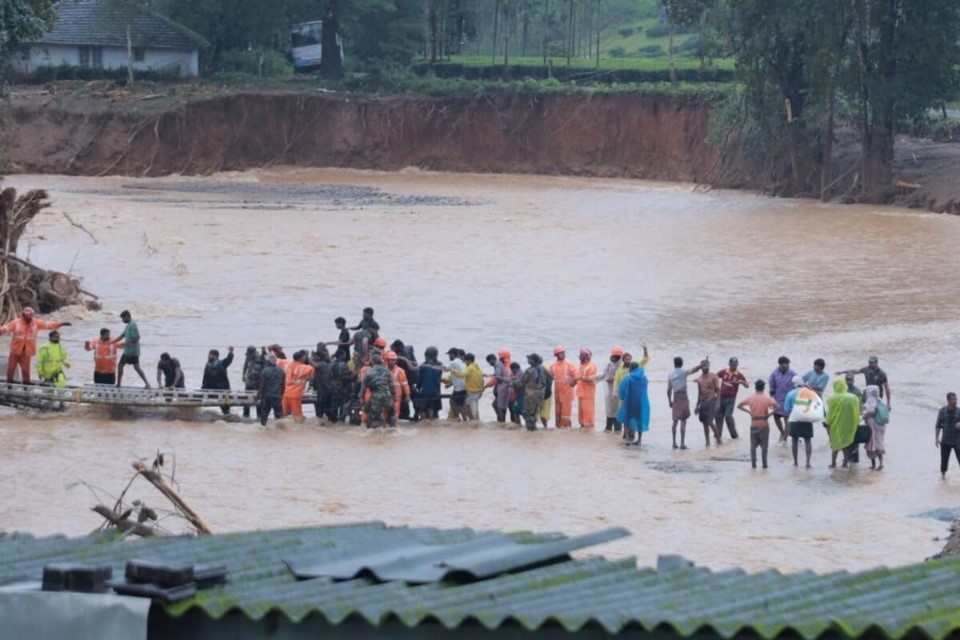
Critical infrastructure, including roads, bridges, and hydropower installations, has been destroyed along the path of the flood. Transport infrastructure damage has isolated several communities and severely restricted access for rescue operations, humanitarian aid and relief supplies. The US Geological Survey estimates that the flood travelled nearly 100 kilometres, affecting populated areas downstream and damaging infrastructure on both sides of the Nepal–China border. The damaged area is strategically important for Nepal–China connectivity, including the route towards the Gyirong border area in Tibet.
3. Secondary environmental hazards and expanding disaster zones
The collapse and subsequent deposition of enormous quantities of ice, rock, and sediment created a natural barrier lake near the confluence of the Chhochen Khola and Purepu Tsangpo rivers. The lake initially held an estimated 1.5–2 million cubic metres of water, with an additional three million cubic metres of water estimated to enter, creating the possibility of another destructive downstream surge. On 28 August, the barrier lake breached, just a few days before China’s estimated timeline, prompting temporary disruption of rescue operations as authorities assessed the risk of another flood wave entering the Bhotekoshi system. As the glacial collapse triggered an avalanche, debris flow, river blockage, temporary lake formation, and a subsequent flood, the threat is therefore not confined to the original disaster zone but extends hundreds of kilometres downstream, including communities and infrastructure that had already been damaged.
4. Emergency management and command changes
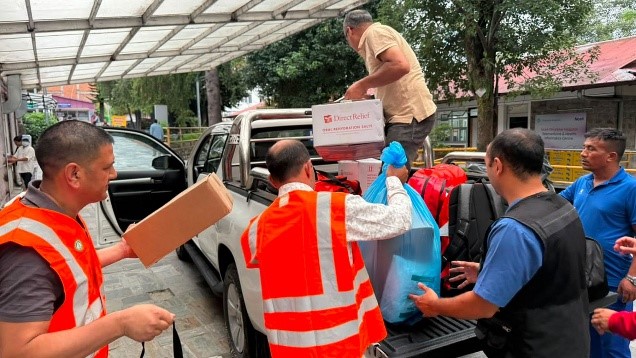
Helicopter operations were initially severely constrained by the terrain, damaged helipads, high floodwaters and poor accessibility which led to the Rescue Coordination Centre (RCC) at Tribhuvan International Airport to go through a rapid succession of leadership changes, shifting from a Home Ministry deputy secretary on the morning of 26 August, to a joint-secretary in the evening, to an Army colonel on 27 August, and finally being placed under Law Minister Sobita Gautam on the morning of 28 August to streamline flight management, while the destruction of roads and bridges prevented rapid deployment of ground rescue teams. The disaster highlights a transboundary monitoring gap between Nepal and Tibet.
5. Vulnerability and climate risks in the Himalayan region
The Himalayan region is highly sensitive to glacial collapses, ice-rock avalanches, and Glacial Lake Outburst Floods (GLOFs), especially because of its cascading nature, where one disaster is almost always accompanied by another. Scientists have warned that rising temperatures are accelerating glacier melt and destabilising ice, rock and permafrost at high elevations. Nepal, Tibet and the wider Hindu Kush Himalayan region are estimated to possess 25,614 glacial lakes, out of which 47 are deemed potential outburst risks. The current disaster is particularly significant because the same Bhotekoshi River experienced another major flood in July 2025, when a rapidly shrinking supraglacial lake in the upper Purepu Tsangpo contributed to a destructive flood. The recurrence within just over a year showcases that this is not an isolated natural disaster but part of a broader pattern of cascading cryosphere hazards.
About the author
Sreemaya Nair is currently pursuing her postgraduate degree from the Department of Defence and Strategic Studies, University of Madras, Chennai, and is part of the Neighbourhood Reader team at the National Institute of Advanced Studies (NIAS).