Strengthening Climate Resilience among Fisherwomen in Kanyakumari

As part of the NIAS Climate Change, Civil Society and Peace (C3SP) initiative in collaboration with GPPAC South Asia, Lekshmi MK, Research Assistant at the National Institute of Advanced Studies (NIAS), Bengaluru, met and spoke with S Daniboy Virgit, Executive Secretary of the Organisation for Community Development (OCD), Kanyakumari. OCD has worked among the indigenous Mukkuvar fishing communities of Kanyakumari district, focusing on fisherwomen, livelihood security, environmental conservation, and community empowerment. Through its grassroots initiatives, the organisation has sought to strengthen the environmental resilience of coastal communities.
Drawing from this interaction and OCD’s work in coastal Kanyakumari, this note highlights how climate change affects livelihoods, gender relations, and the everyday survival of fishing communities. It also explores the role of women-led collective action, community-based adaptation, and ecosystem conservation in strengthening resilience as climate-related risks become increasingly frequent and severe.
The coastal villages of Kanyakumari district are among the most climate-vulnerable regions in southern India. Frequent coastal erosion, changing weather patterns, rough seas, and ecosystem degradation have increasingly affected the livelihoods of fishing communities. While the impacts of climate change are often discussed in terms of declining fish stocks and shoreline erosion, women experience these challenges differently. Women engaged in fish vending, fish processing, and other small-scale coastal occupations face income insecurity, increased household responsibilities, and limited access to decision-making processes. Despite their significant contribution to the coastal economy, their role in climate resilience often remains overlooked.
Recognising these challenges, the Organisation for Community Development (OCD), led by its Executive Secretary S Daniboy Virgit, has worked for several decades among the indigenous Mukkuvar fishing communities of Kanyakumari district. The organisation places women at the centre of its efforts to build sustainable livelihoods while strengthening the resilience of coastal ecosystems.
OCD adopted a community-based approach that integrated women’s empowerment with environmental conservation. One of its key interventions was promoting climate-resilient household technologies, including rainwater harvesting systems, biogas plants, smokeless stoves, and solar cookers. These initiatives reduced dependence on conventional fuels while improving household health, reducing environmental stress, and strengthening the adaptive capacity of fishing families.
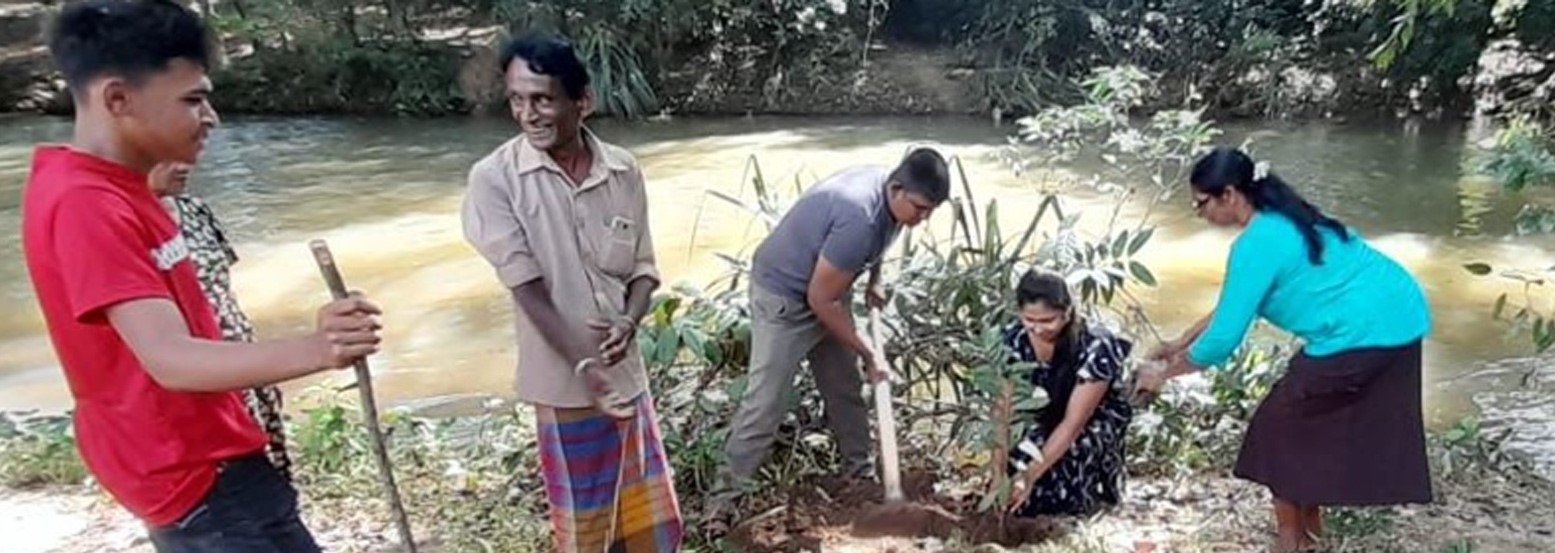
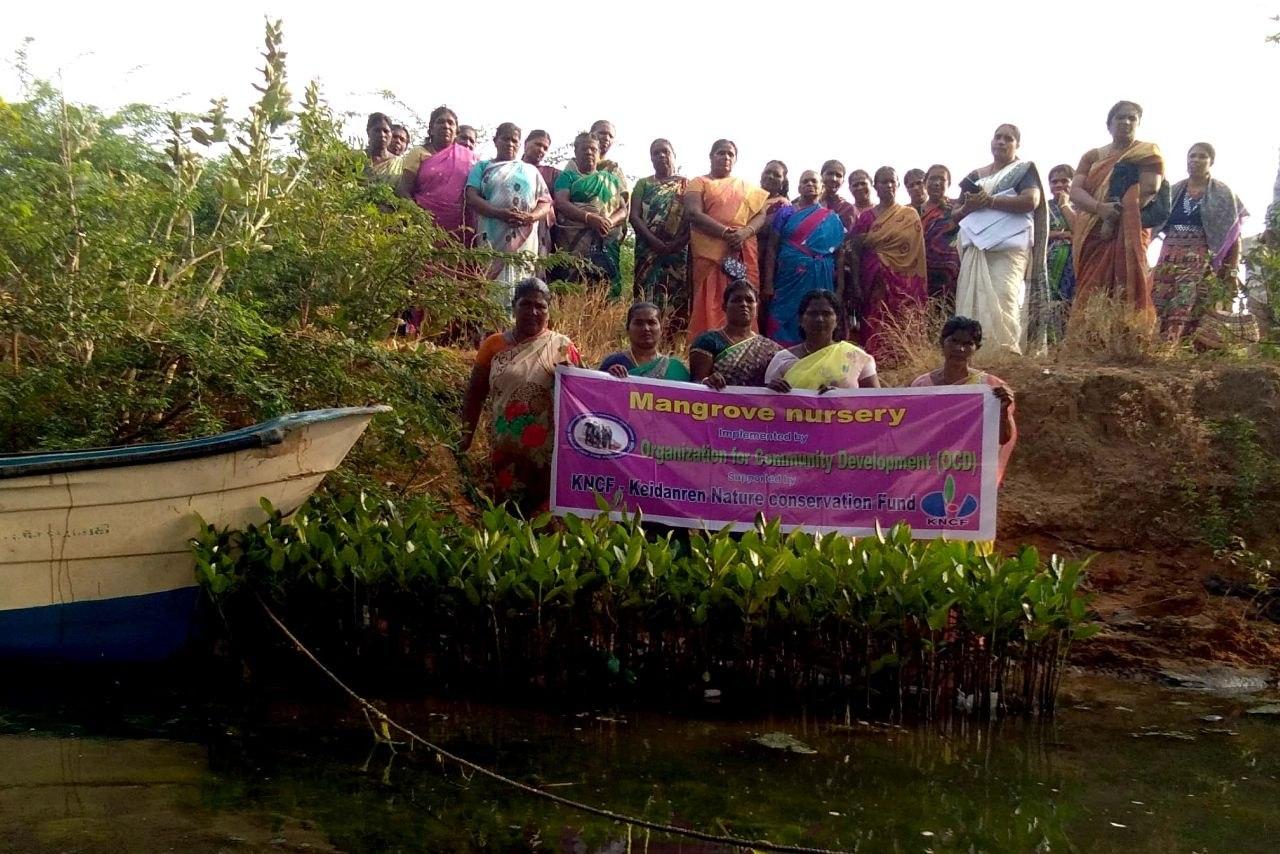
The organisation also prioritised estuarine and mangrove conservation. Nearly 100 hectares of estuarine ecosystems were protected through community participation, while mangrove plantations were established in vulnerable coastal areas. Importantly, women from fishing communities were appointed as caretakers of these mangrove ecosystems, transforming them from beneficiaries into active environmental stewards.
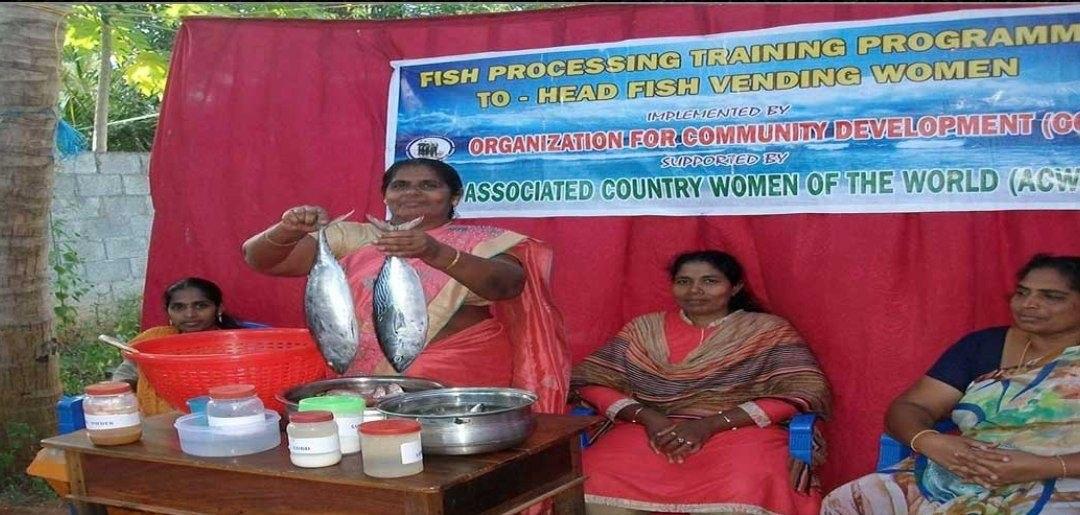
OCD further strengthened women’s economic resilience by organising thousands of fisherwomen into self-help groups and supporting the Fisherwomen Head Load Vendors Federation. Through microcredit, livelihood training, fish-processing skills, storage facilities, and leadership programmes, women gained greater financial independence and improved access to local markets. The initiatives helped strengthen both environmental conservation and women’s livelihoods. Women’s participation in mangrove conservation created a sense of community ownership over local ecosystems while simultaneously generating livelihood opportunities. The promotion of climate-friendly household technologies reduced environmental pressure and improved living conditions for coastal families.
The self-help groups enhanced women’s financial security, reduced dependence on informal moneylenders, and increased their participation in local decision-making. By linking livelihood security with ecosystem conservation, OCD demonstrated that climate resilience could be strengthened through community participation rather than relying solely on infrastructure-based interventions. The most significant outcome was the recognition of women as climate actors rather than passive victims of climate change.
Despite their contribution to coastal economies, their labour often remains invisible in environmental and policy discussions. Virgit’s efforts have consistently attempted to bring women’s experiences into conversations about coastal development, environmental justice, and climate resilience.
However, several challenges remain. Coastal communities continue to face erosion, ecosystem degradation, and climate uncertainty. Women involved in traditional occupations often struggle with financial insecurity and limited institutional support. At the same time, ensuring that women’s voices are represented in environmental decision-making remains a continuing challenge.
Organisation for Community Development
https://www.ocdindia.org/