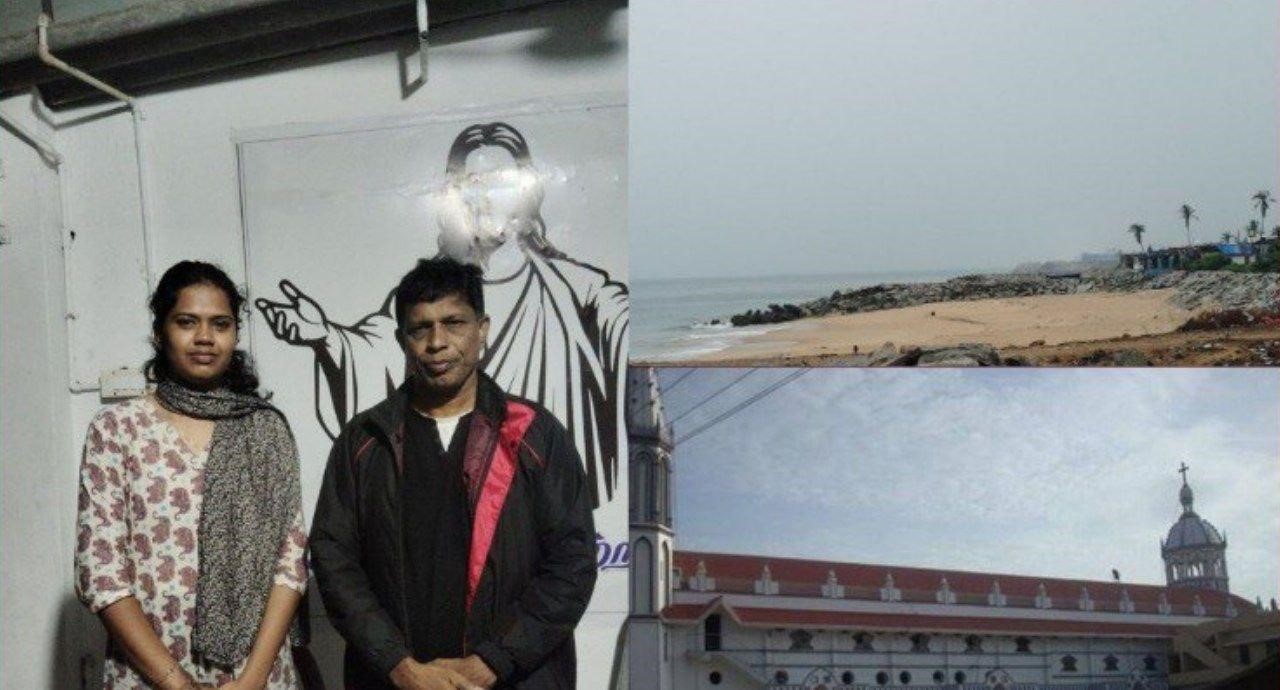
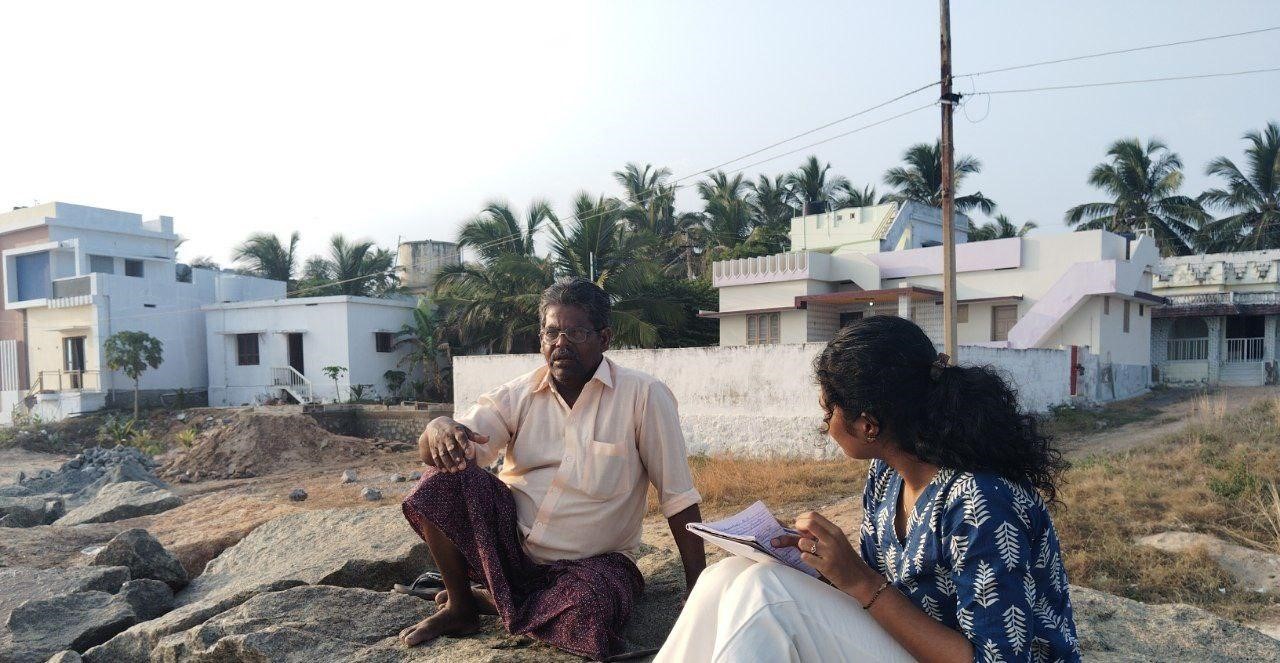
As part of the GPPAC South Asia research on Climate Change, Civil Society & Peace in South Asia, Lekshmi MK, Research Assistant at the National Institute of Advanced Studies, Bengaluru, interviewed Rev. Fr. Anto George from Thoothur to understand the lived experiences of coastal communities in Kanyakumari district and the changing trends associated with climate change. He is also a PhD scholar at Annamalai University, where his research focuses on fisheries. His observations and experiences were in Tamil, and the have been translated into English for the purpose of this report.
The coastal fishing communities of Kanyakumari district have historically depended on the sea for their livelihood, culture, and everyday survival. In recent decades, local residents and fishermen have observed noticeable changes in coastal and environmental conditions, including irregular wave patterns, unpredictable rainfall, coastal erosion, declining fish availability, and increasing uncertainty in weather conditions. Major events such as the 2004 Indian Ocean Tsunami and Cyclone Ockhi further exposed the vulnerabilities of fishing communities, particularly those engaged in deep-sea fishing in the Arabian Sea. Alongside natural changes, issues such as sand mining, harbour construction, deforestation, and inadequate disaster preparedness have also intensified concerns among coastal residents regarding environmental sustainability, livelihood security, and disaster resilience.
What kinds of changes have you observed in the sea, weather, and fishing conditions over the years in Kanyakumari district?
Climate change has brought several environmental changes in Kanyakumari district. One of the major changes is the alteration in rainfall patterns and wave patterns along the coast. Earlier, waves generally moved in predictable directions, but now large waves often move from west to east in unusual patterns.
Another significant change is the occurrence of extreme weather events outside their usual seasons. For instance, cyclones in Kanyakumari typically occur during the monsoon period. However, Cyclone Ockhi occurred outside the normal monsoon cycle, which itself indicates climate change impacts.
Earlier, when rainfall occurred, the sea water temperature would drop. This would create tidal movements that carried sand, small fish, and marine plants towards the shore. Larger fish would then come closer to the coast to feed on them. Due to global warming and changes in ocean patterns, this natural phenomenon has become less common.
The 2004 Indian Ocean Tsunami had an impact, but the damage in Kanyakumari was comparatively less because this coast faces the Arabian Sea and lies on the western side of the peninsula. However, Cyclone Ockhi had a very severe impact on the fishing communities. It caused large-scale loss of lives and livelihoods, especially among deep-sea fishermen.
What are some of the major challenges fishing communities are facing today?
Fishing communities in villages such as Thoothur and nearby coastal villages operate mainly in the Arabian Sea. These areas are considered highly risky zones due to the depth of the sea, which is locally called Aazhalkadal (deep sea). Earlier, tidal waves in this region could rise up to around 12 metres. These waves played a natural role in balancing sand movement along the coast. However, today the wave patterns have become shorter and irregular, which is contributing to coastal erosion. Another issue is that seasonal tides remove sand from the coastal areas and sometimes expose the foundations of houses. In one season the sand is taken away, while in another season it may return.
Human activities have also worsened these problems. Sand extraction and harbour construction often violate Coastal Regulation Zone (CRZ) norms and disrupt natural coastal processes. Cutting mountains, deforestation, and global warming also contribute to sea-level rise and environmental imbalance.
Have you noticed any changes in the predictability of weather or seasons?
Yes, disasters have become far more unpredictable. Sometimes there is continuous heavy rain, while at other times there is intense heat. These changes are also linked to deforestation and environmental degradation. Natural elements such as mountains, forests, rainfall, and seasons are interconnected. Mountains help block strong winds, and forests regulate rainfall patterns. When mountains are cut and forests are destroyed, hot winds move directly toward the sea and disrupt natural weather cycles.
What has the responses from the state and civil society been?
In many cases, the focus of institutions was more on providing compensation to affected families rather than rescuing fishermen who were still stranded at sea. While financial assistance is important, immediate rescue operations and safety mechanisms should be prioritised during such disasters.
During Cyclone Ockhi there was a major issue with the early warning system. Many fishermen did not receive timely warnings from authorities. Deep-sea fishermen from villages such as Thoothur and surrounding coastal areas often remain in the sea for up to 45 days. Because of this, incorrect or delayed information about weather conditions creates serious economic and physical risks.
Initially, people blamed the government for not informing them about the cyclone. Later, another problem emerged, false or inaccurate warnings were sometimes issued, asking fishermen to return to shore even when there was no immediate threat. This created confusion and financial losses.
How are the fishermen coping with the changing conditions?
During disasters such as Cyclone Ockhi, many fishermen themselves carried out rescue operations. Even with limited disaster management training, fishermen were able to rescue more than a thousand people at sea. Their knowledge of the ocean and experience helped them respond quickly when official rescue mechanisms were slow.
Fishermen cannot control natural forces such as the sea, wind, or storms. However, changes in fishing practices have also created new risks. Earlier, fishing boats were heavier and carried fewer fishing nets. Now boats are lighter but carry extremely large quantities of nets. Previously fishermen used around two tonnes of nets, but today some boats carry up to fourteen tonnes. Modern fishing nets can stretch up to 600-700 kilometres. If a boat sinks during rough weather, the heavy nets can trap fishermen and make escape extremely difficult. Boats are also heavily loaded with ice, diesel, and water to support long fishing trips. Because fish stocks have declined due to climate change, fishermen travel farther distances and sometimes cross international maritime boundaries. As a result, some fishermen have been detained in countries such as Pakistan, Oman, and Sri Lanka.
How to improve climate resilience and disaster preparedness?
First, there is a need for stronger disaster management systems and better early warning mechanisms. Advanced technology and accurate forecasting should be made available to fishing communities.
Second, both government institutions and local organisations need better preparation to handle marine disasters.
Third, training fishermen in disaster preparedness, improving rescue systems, and establishing reliable communication systems for deep-sea fishing vessels are essential.
Fourth, environmental protection is also crucial. Preventing deforestation, regulating sand mining, and protecting coastal ecosystems will help reduce the long-term impacts of climate change on coastal communities.
← Back to Stories
Climate Change and Community Responses in Coastal India
The Lakeika of India
Read more →
The Lake Man of India
Read more →
Every forest needs a Bengalata
Read more →
The Spring Keepers of Uttarakhand
Read more →

The Voice of Garhwal at 90.8 FM
Read more →
Coping with Climate Change in Coastal India
Read more →
Climate Change and Community Responses in Coastal India
You are here
The HEAL Movement
Read more →
India: Engineer Gurunandan Rao's science-led effort to revive Bengaluru's Lalbagh Lake
Read more →
India: Supriya Sahu highlights Tamil Nadu's expansion of reserved forests to strengthen climate resilience
Read more →
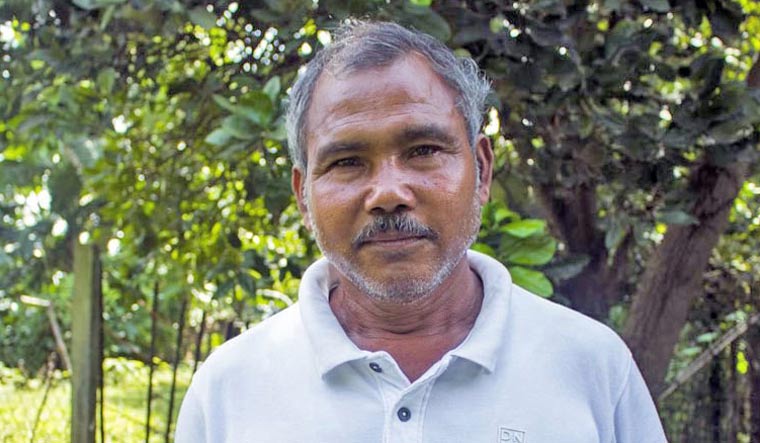
Jadav Payeng, often called the "Forest Man of India," spent roughly four decades planting trees on a barren sandbar along the Brahmaputra River in Assam
Read more →
They Called Her "Just A Maami In A Saree". She Proved She Was A Force Of Nature
Read more →

How a Kolkata Neighborhood Saved its 70-Year-Old Tamarind Tree through Cultural Resistance
Read more →
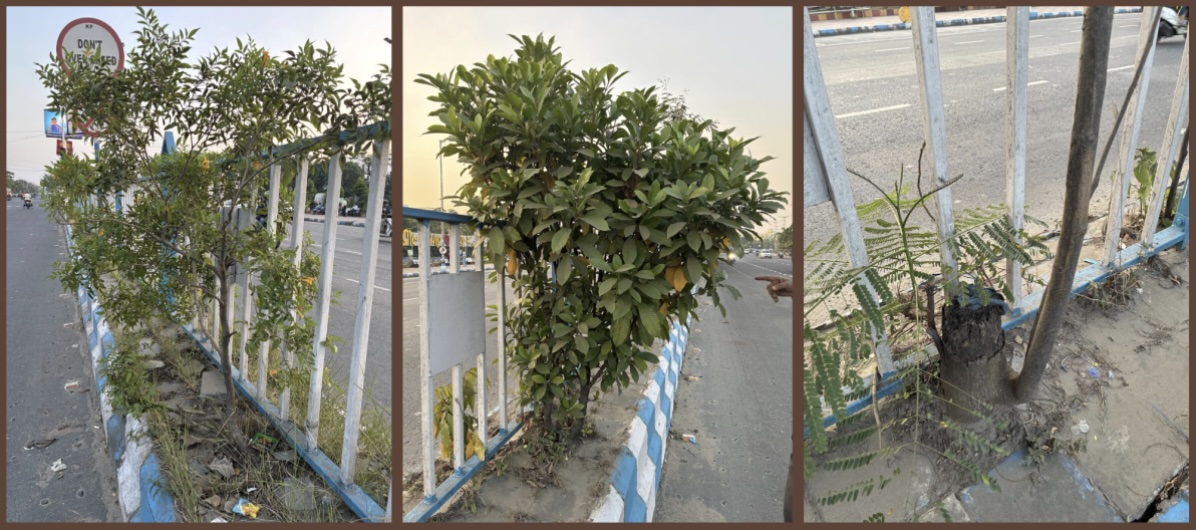
How Tree Lovers Rescued a Kolkata Neighbourhood
Read more →
The Indian Public Servant Helping Disadvantaged Communities Adapt To Rising Heat
Read more →
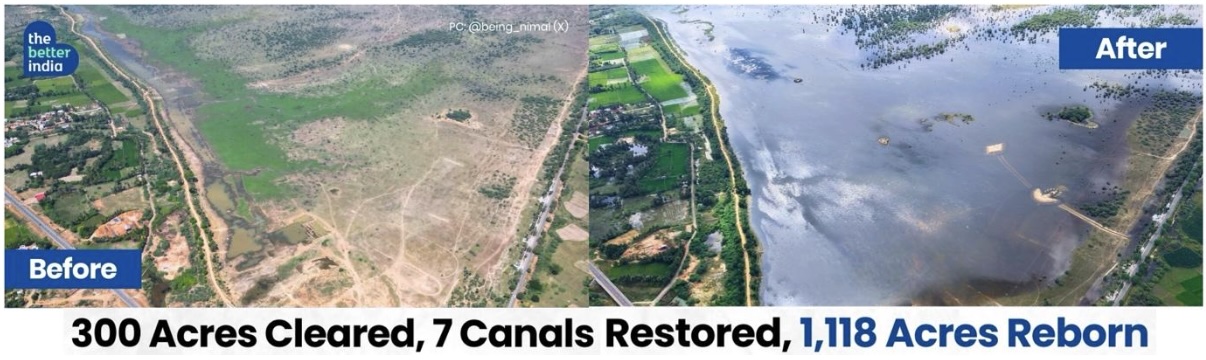
Meet the Lake Man Reviving 1000+ Drought-Hit South Indian Villages
Read more →
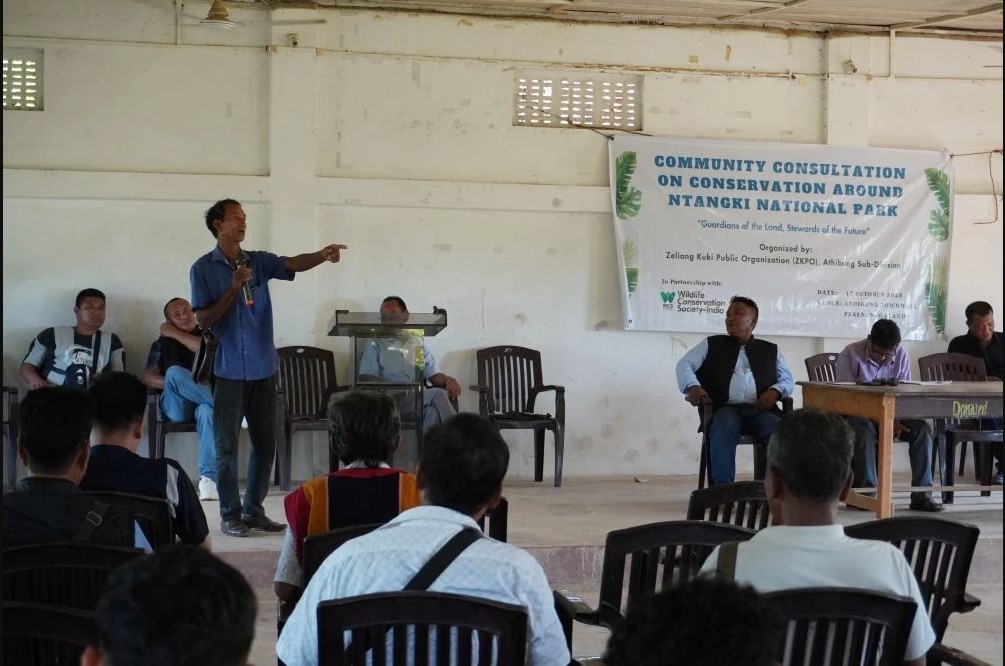
37 Villages Resolve To Protect Ntangki National Park At Athibung Consultation
Read more →
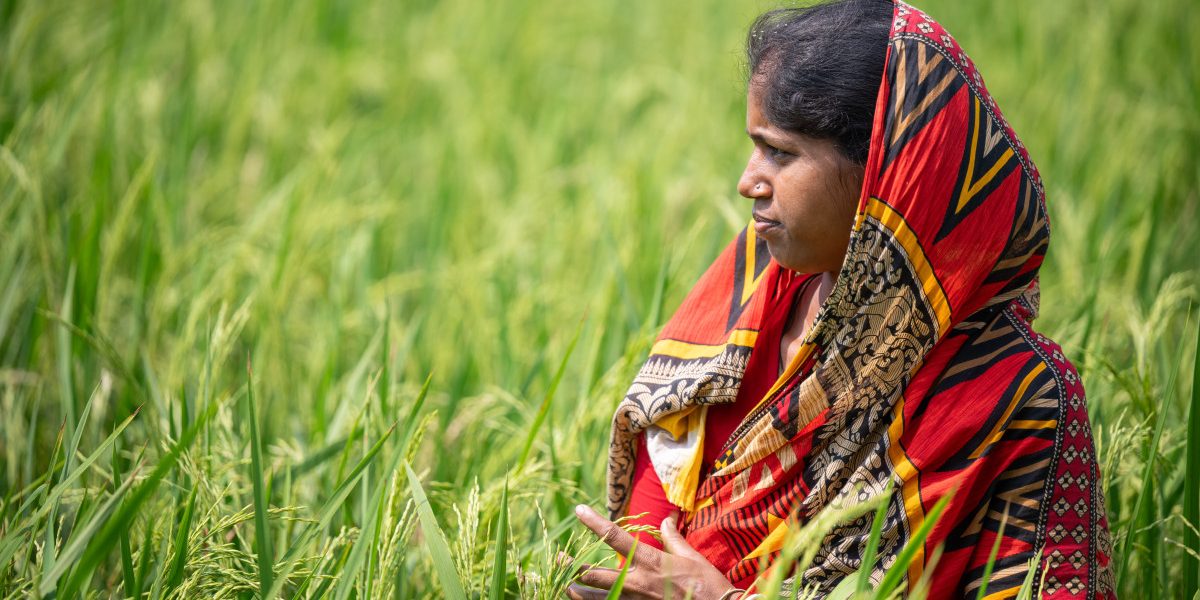
How Women Farmers in the Sundarban Are Reviving Indigenous Rice Varieties
Read more →