In one of India's most heat-vulnerable regions, Supriya Sahu is putting in place a suite of effective cooling regulations and nature-based adaptation measures to improve the health and safety of families. Residents of Tamil Nadu's most vulnerable communities are already feeling the benefits.
Sahu, serving as Additional Chief Secretary for Environment, Climate Change and Forests in Tamil Nadu, has championed a multi-pronged approach to urban cooling that combines regulatory reform, green infrastructure, and community engagement. Her initiatives have included mandatory cool roof programmes, tree planting in urban areas, and the creation of cooling centres accessible to outdoor workers and low-income families during peak heat periods.
Tamil Nadu regularly records some of the highest temperatures in India during summer months, with heat-related mortality concentrated among agricultural labourers, construction workers, and elderly populations in low-income urban neighbourhoods. These communities typically live in poorly ventilated housing without access to air conditioning, making them acutely vulnerable to heat stress.
Sahu's approach has emphasised equitable access to cooling as a public health imperative. By framing heat as a climate risk requiring systematic policy response — rather than a natural condition to be individually managed — her work has helped shift the governance conversation around heat vulnerability in India.
The cool roof initiative, which involves applying reflective coatings to rooftops of homes and public buildings, has demonstrated measurable reductions in indoor temperatures. This low-cost, scalable intervention is particularly relevant for slum settlements and informal housing areas where structural improvements are constrained by tenure insecurity and limited resources.
Sahu's recognition with the UN's Champions of the Earth award in 2025 has amplified international attention to Tamil Nadu's heat adaptation model, positioning it as a potential template for other heat-vulnerable states and cities in South and Southeast Asia.
← Back to Stories

The Indian Public Servant Helping Disadvantaged Communities Adapt To Rising Heat
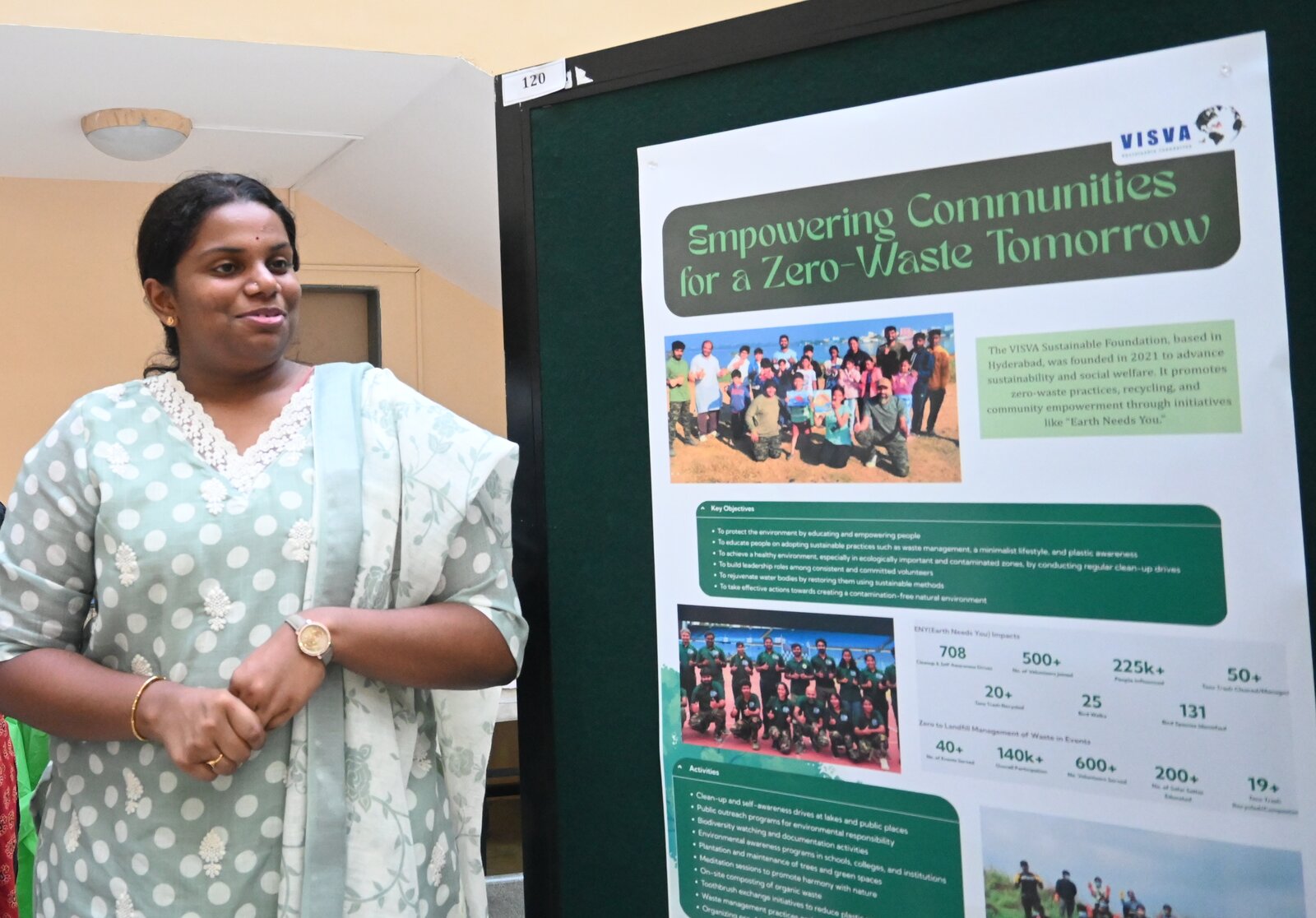
Empowering Communities for a Zero-Waste Tomorrow
Read more →

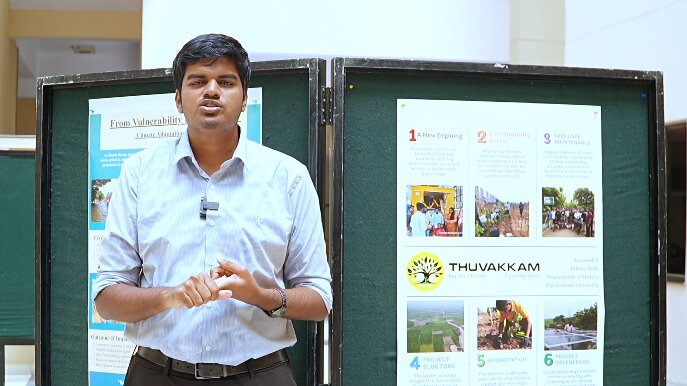
From Vulnerability to Resilience: A Climate Adaptation Journey
Read more →

Hulimavu's Blue Revolution
Read more →

Climate Justice from the Ground Up
Read more →
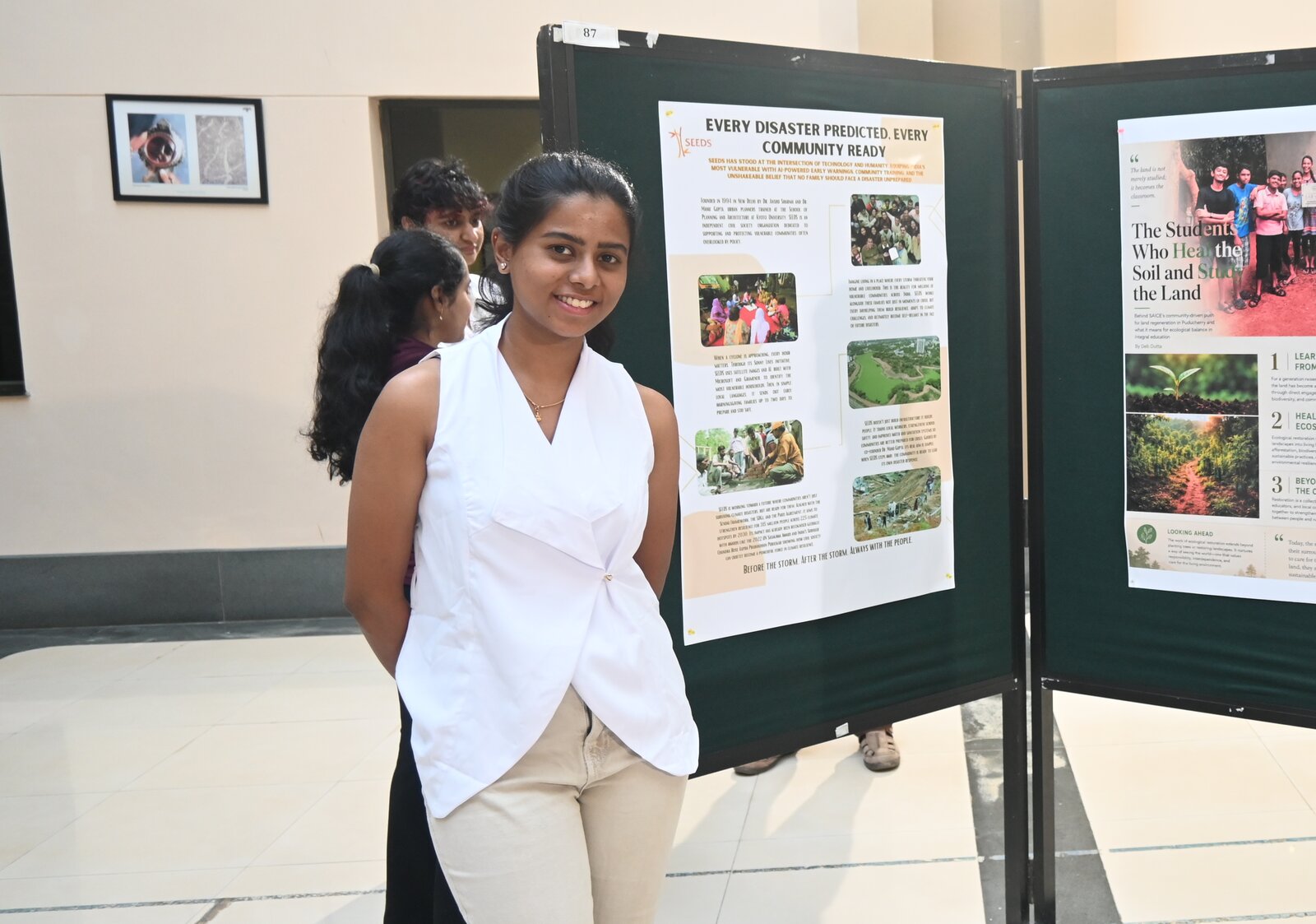
Every Disaster Predicted, Every Community Ready
Read more →
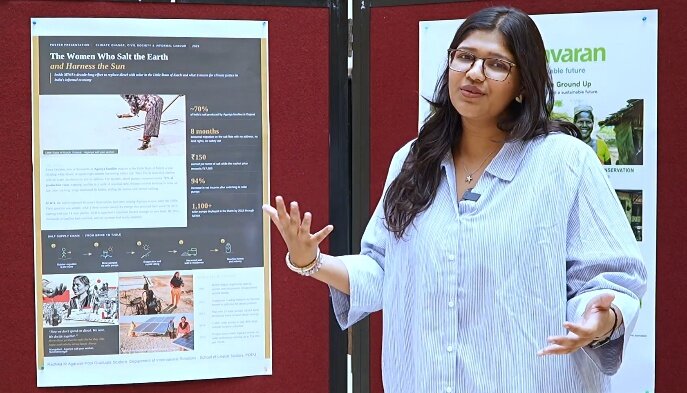
The Women Who Salt the Earth and Harness the Sun
Read more →

Guardians in Green
Read more →

Voices for a Changing Climate
Read more →
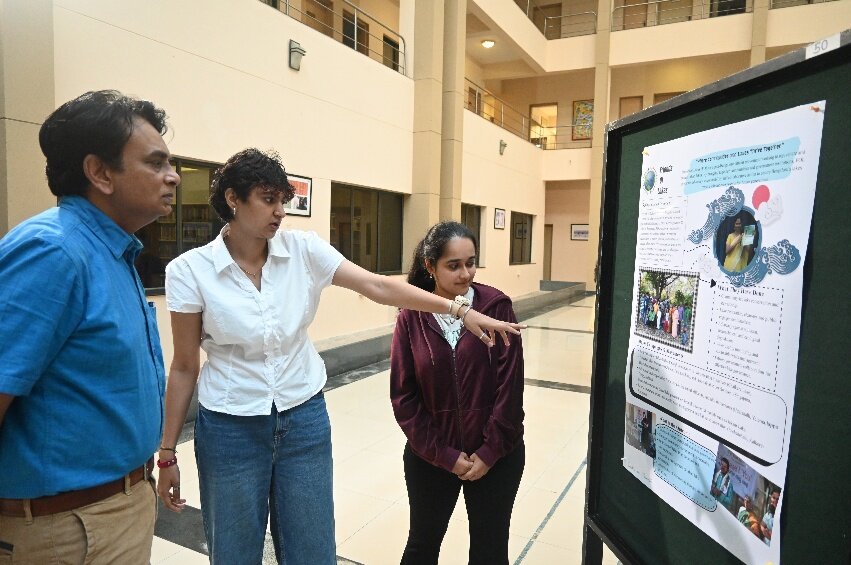
Friends of Lakes
Read more →
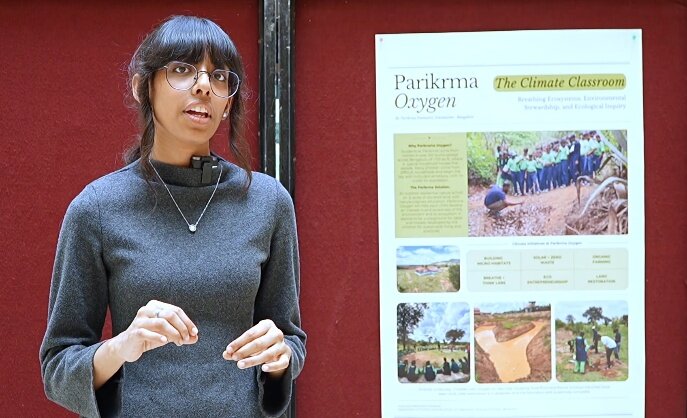
The Climate Classroom
Read more →

The Seeds of Change
Read more →
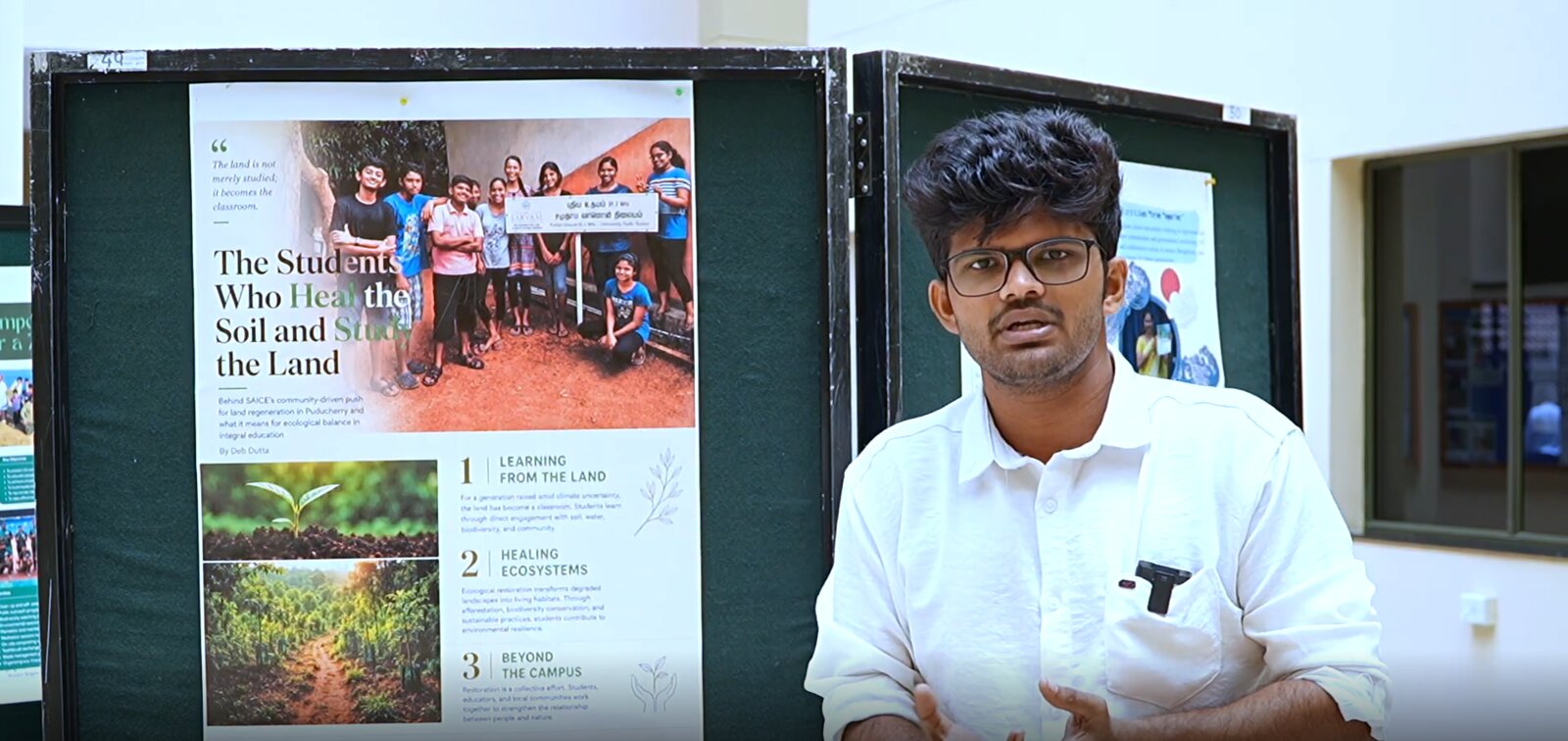
The Students Who Heal the Soil and Study the Land
Read more →
Roots, Rain & Renewal
Read more →

The Forests That Refused to Fall
Read more →

The Forest She Built
Read more →
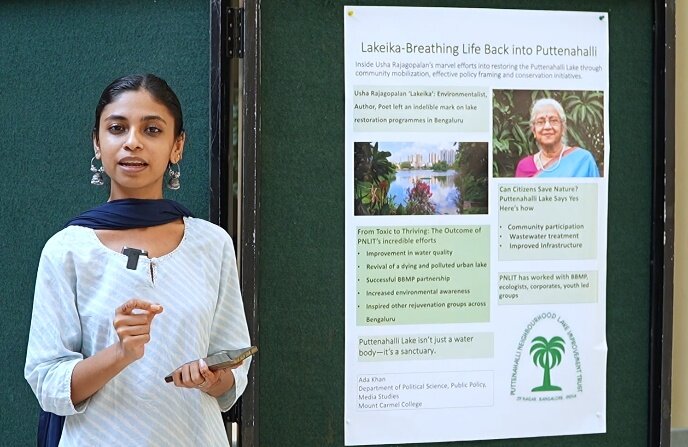
Lakeika: Breathing Life Back into Puttenahalli
Read more →
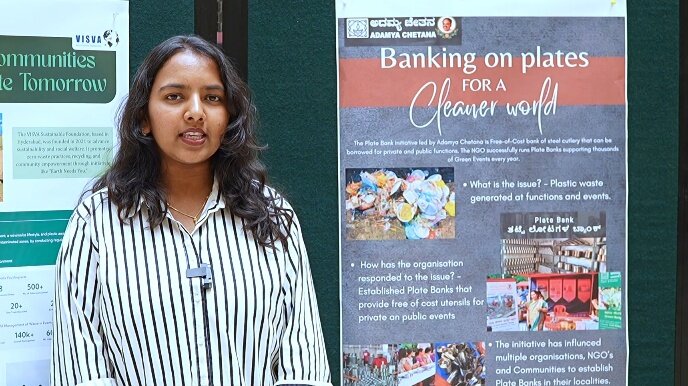
Banking on Plates for a Clean World
Read more →
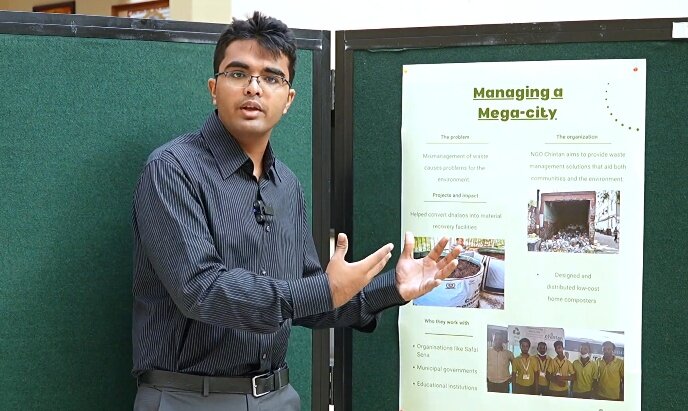
Chintan Environmental Research and Action Group
Read more →
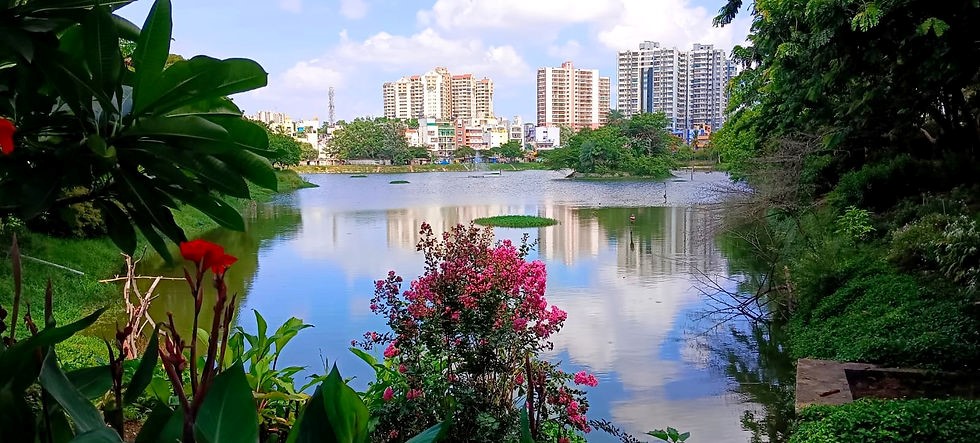
The Lakeika of India
Read more →
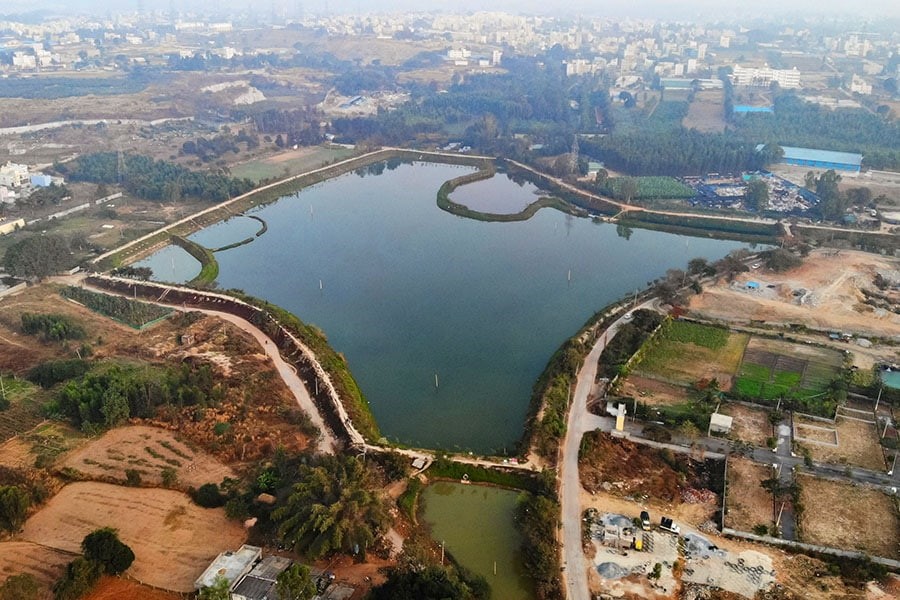
The Lake Man of India
Read more →
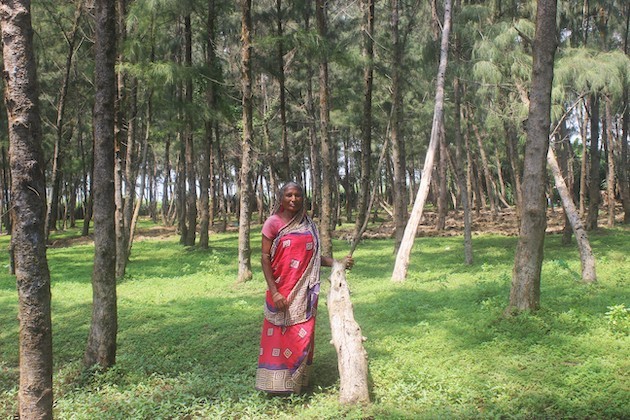
Every forest needs a Bengalata
Read more →
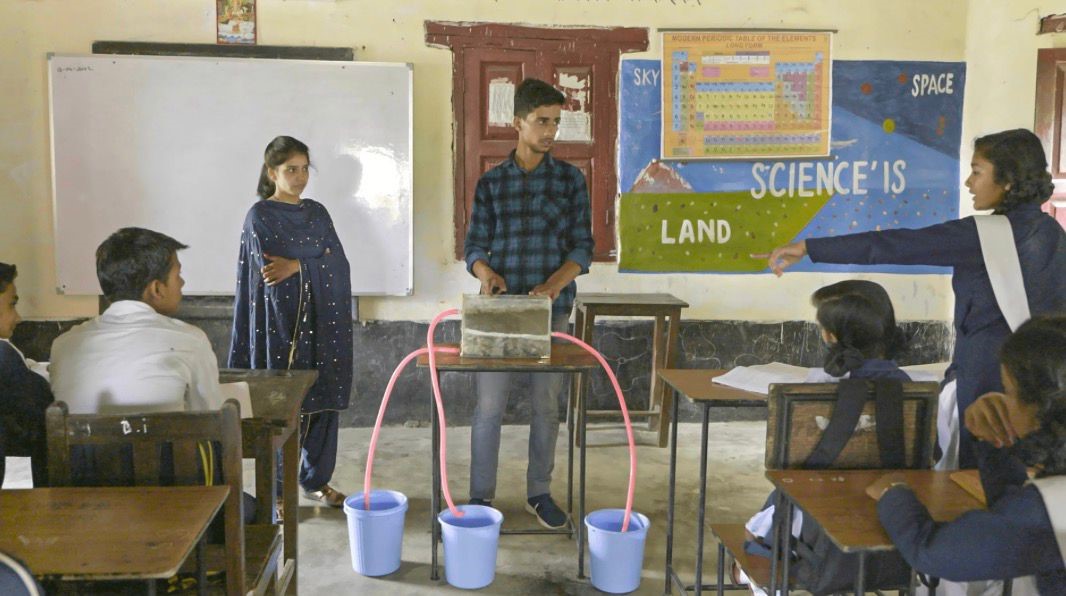
The Spring Keepers of Uttarakhand
Read more →
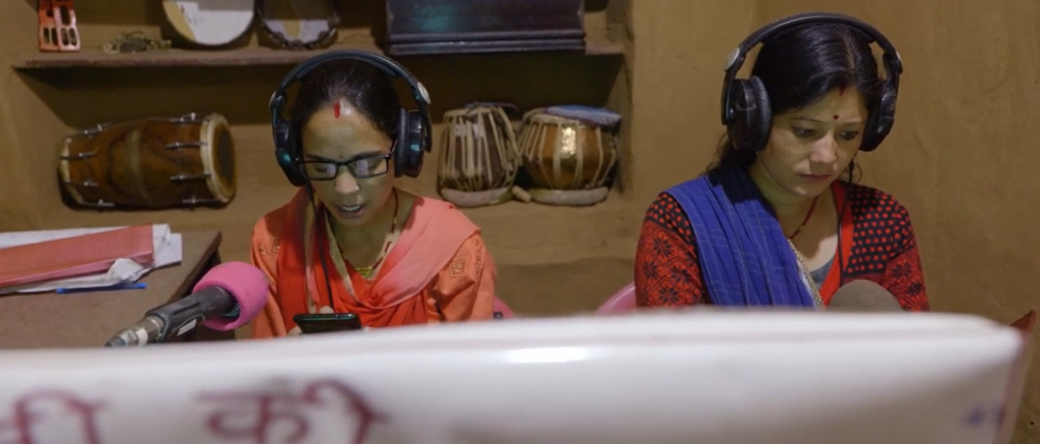
The Voice of Garhwal at 90.8 FM
Read more →
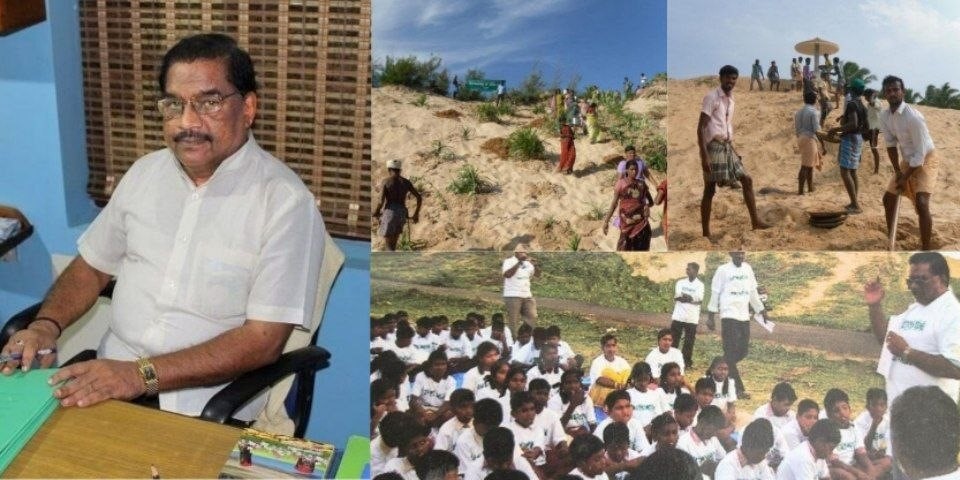
The HEAL Movement
Read more →
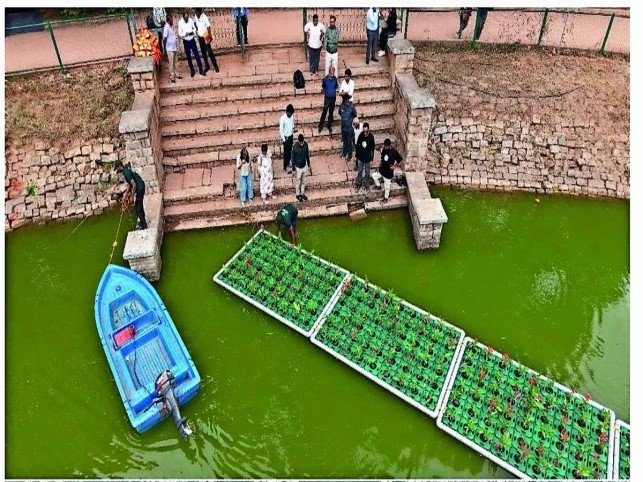
India: Engineer Gurunandan Rao's science-led effort to revive Bengaluru's Lalbagh Lake
Read more →
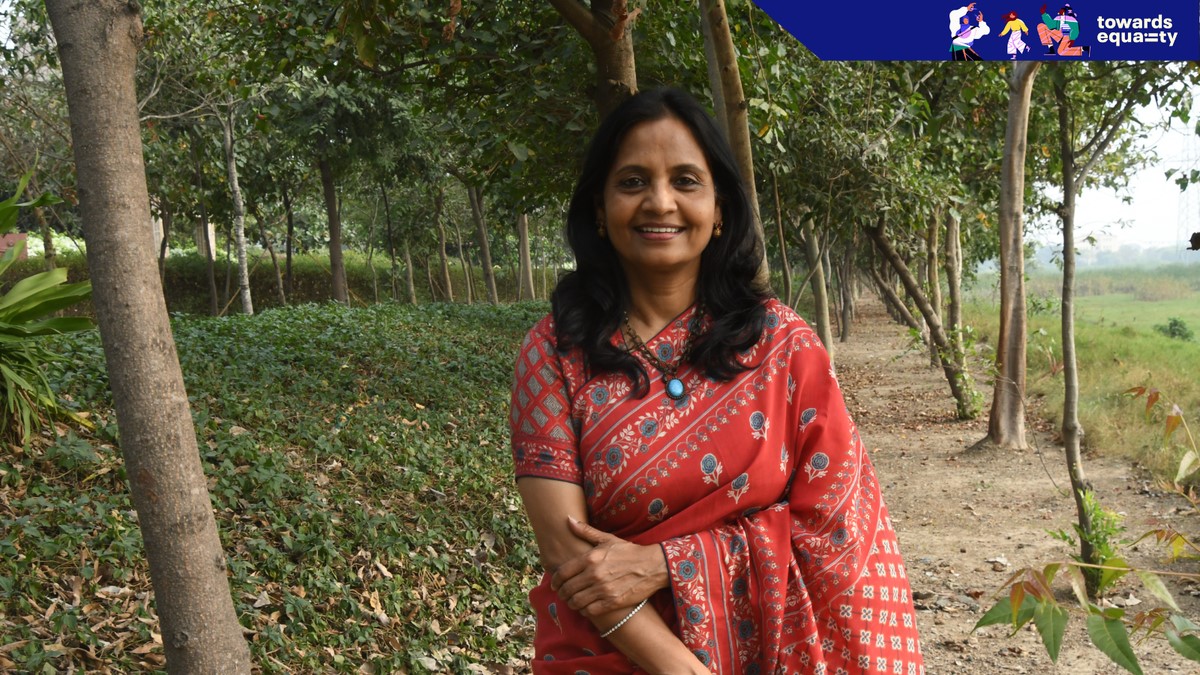
India: Supriya Sahu highlights Tamil Nadu's expansion of reserved forests to strengthen climate resilience
Read more →
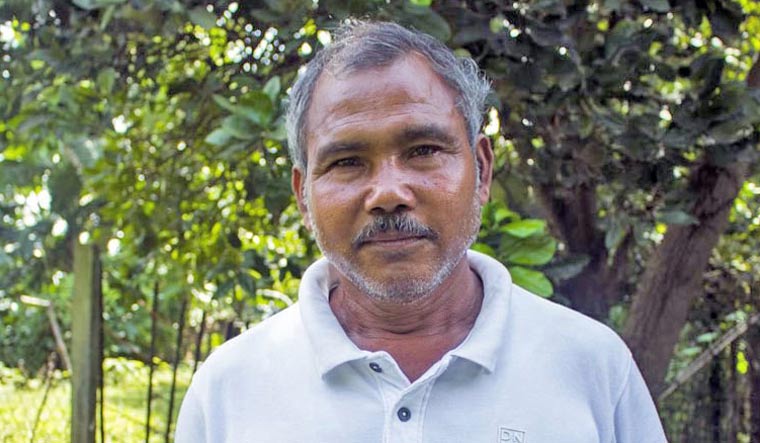
Jadav Payeng, often called the "Forest Man of India," spent roughly four decades planting trees on a barren sandbar along the Brahmaputra River in Assam
Read more →
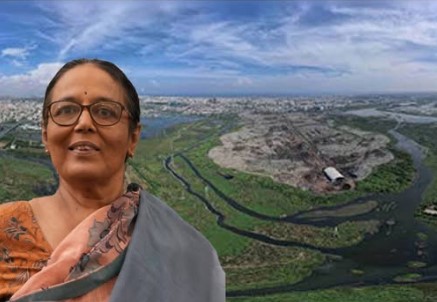
They Called Her "Just A Maami In A Saree". She Proved She Was A Force Of Nature
Read more →

How a Kolkata Neighborhood Saved its 70-Year-Old Tamarind Tree through Cultural Resistance
Read more →
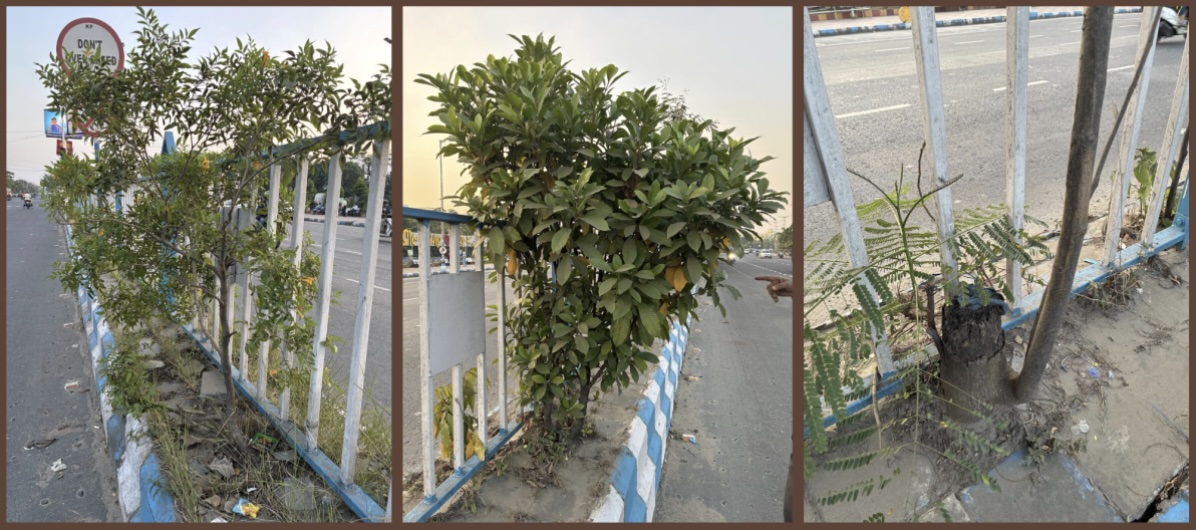
How Tree Lovers Rescued a Kolkata Neighbourhood
Read more →
The Indian Public Servant Helping Disadvantaged Communities Adapt To Rising Heat
You are here
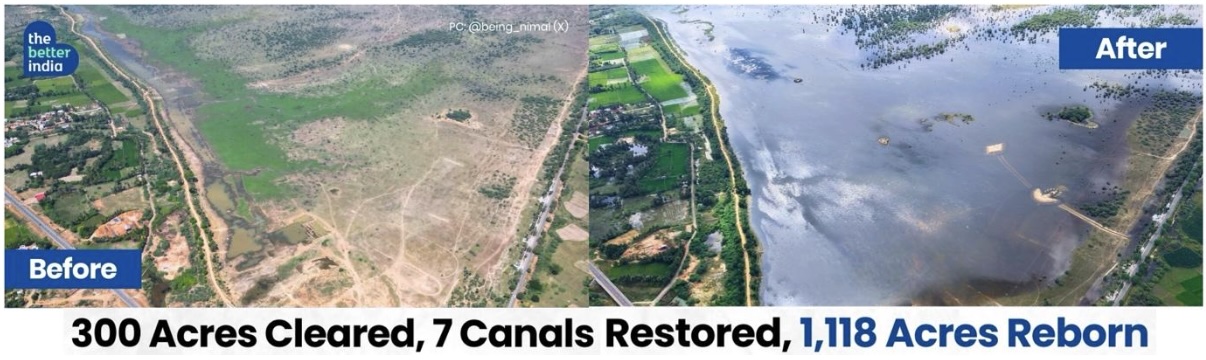
Meet the Lake Man Reviving 1000+ Drought-Hit South Indian Villages
Read more →
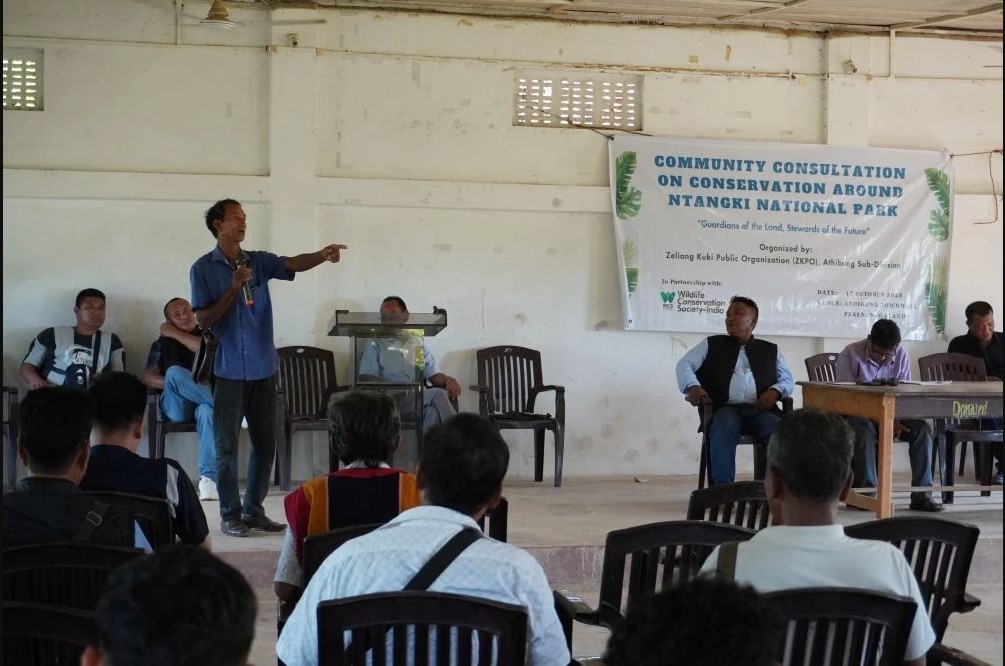
37 Villages Resolve To Protect Ntangki National Park At Athibung Consultation
Read more →
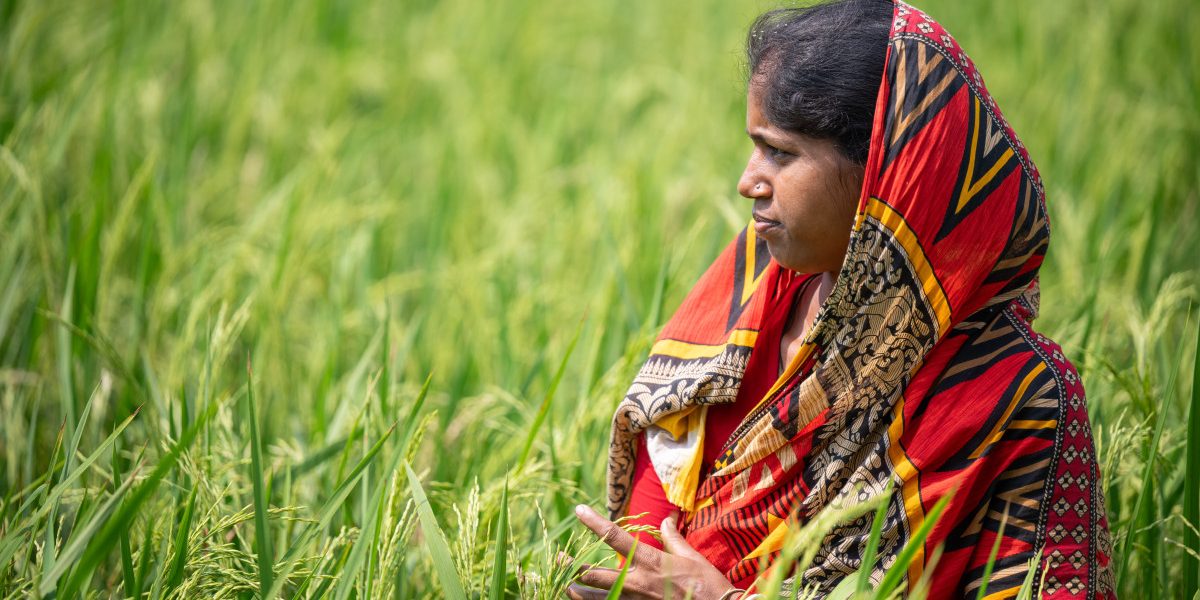
How Women Farmers in the Sundarban Are Reviving Indigenous Rice Varieties
Read more →