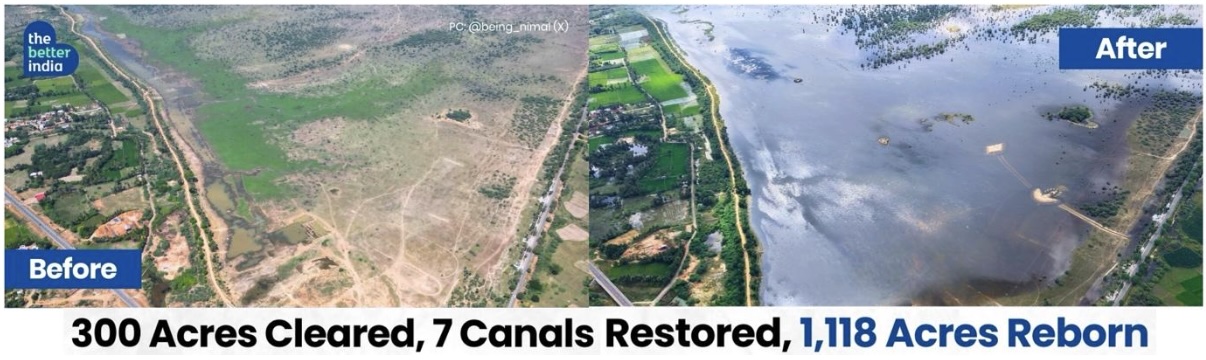
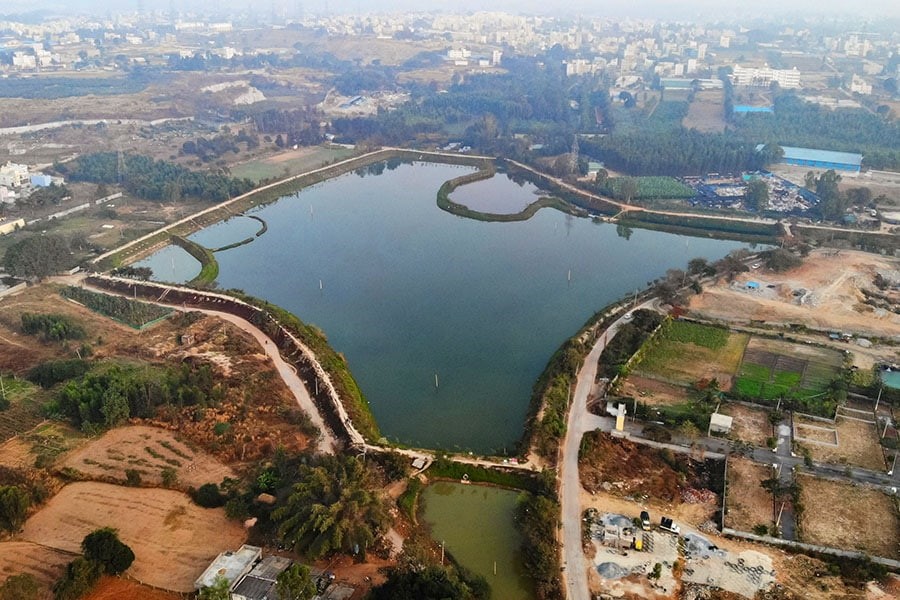
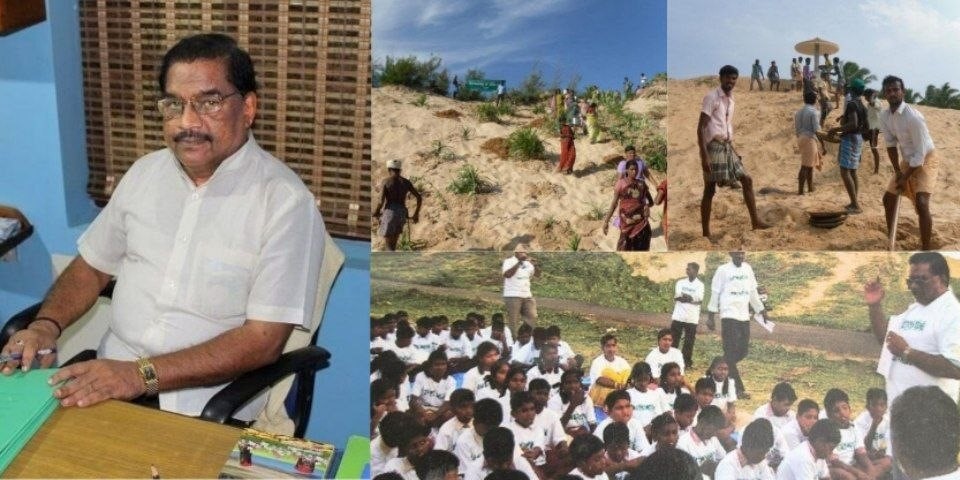
Meet Nimal Raghavan, the "Lake Man of India". What began as a small effort to revive one lake after Cyclone Gaja soon turned into a nationwide movement — where volunteers, newlyweds, cricket teams, and celebrities are joining hands to restore lakes across drought-affected regions of South India.
Raghavan's journey began in the aftermath of Cyclone Gaja, which struck Tamil Nadu in November 2018 and caused widespread destruction. Surveying the damage, he was struck by the condition of traditional water bodies that had been neglected for decades — silted, encroached, and stripped of their ecological function. He began working to restore a single lake, mobilising local volunteers and using traditional desilting techniques.
The response from communities was overwhelming. As word spread, requests came in from villages across Tamil Nadu and neighbouring states where lakes and tanks had similarly fallen into disrepair. Raghavan established a systematic approach to lake restoration that combined community mobilisation, technical assessment, and documentation of hydrological connectivity — the network of channels and overflow structures that traditionally linked lakes in a watershed system.
By restoring this connectivity, the initiative has been able to demonstrate dramatic improvements in groundwater recharge. Villages that had experienced water scarcity for years have seen wells refilled and agricultural productivity recover within one to two seasons after lake restoration. This direct, measurable impact has been critical to sustaining community motivation and attracting further participation.
The movement's success in mobilising diverse groups — including newlyweds who choose lake restoration over traditional wedding celebrations, and cricket teams who combine sport with conservation — reflects a broader shift in civic engagement with environmental issues in South India.
In the context of climate change, the restoration of traditional water harvesting infrastructure represents a highly cost-effective adaptation strategy. As monsoon patterns become more erratic and drought frequency increases, systems designed to capture and store rainwater become increasingly critical for water security in agrarian communities.
← Back to Stories
Meet the Lake Man Reviving 1000+ Drought-Hit South Indian Villages
Empowering Communities for a Zero-Waste Tomorrow
Read more →

From Vulnerability to Resilience: A Climate Adaptation Journey
Read more →

Hulimavu's Blue Revolution
Read more →

Climate Justice from the Ground Up
Read more →
Every Disaster Predicted, Every Community Ready
Read more →
The Women Who Salt the Earth and Harness the Sun
Read more →

Guardians in Green
Read more →

Voices for a Changing Climate
Read more →
Friends of Lakes
Read more →
The Climate Classroom
Read more →

The Seeds of Change
Read more →
The Students Who Heal the Soil and Study the Land
Read more →
Roots, Rain & Renewal
Read more →

The Forests That Refused to Fall
Read more →

The Forest She Built
Read more →
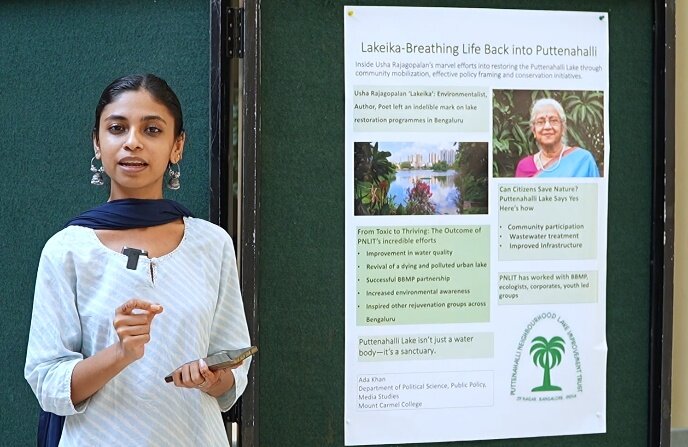
Lakeika: Breathing Life Back into Puttenahalli
Read more →
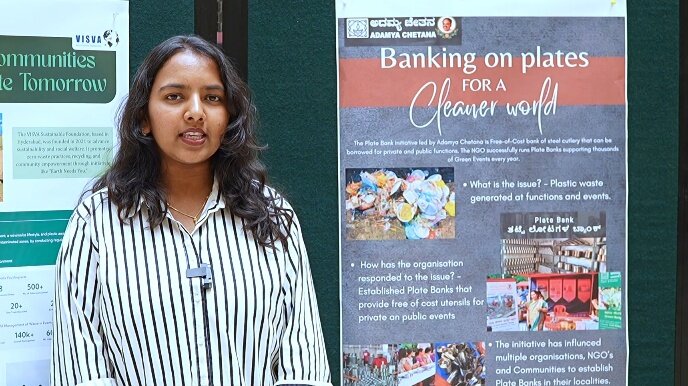
Banking on Plates for a Clean World
Read more →
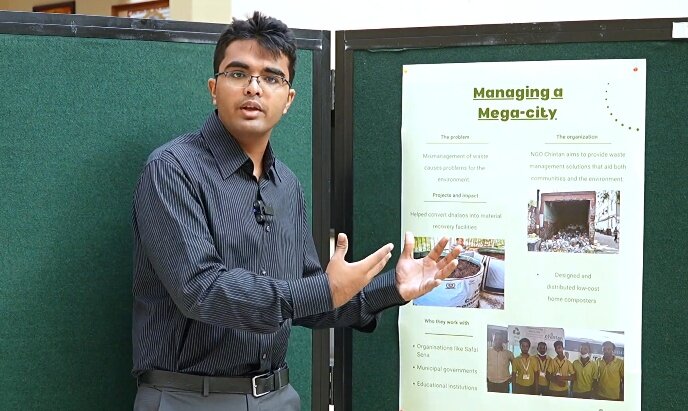
Chintan Environmental Research and Action Group
Read more →
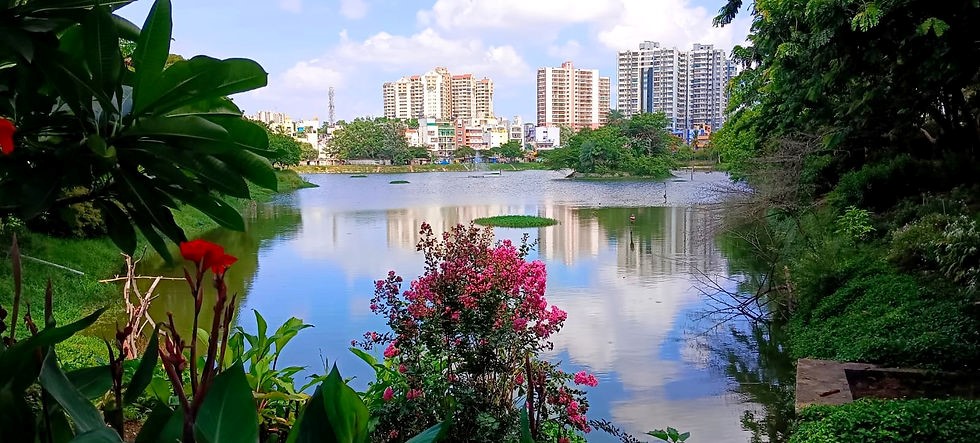
The Lakeika of India
Read more →
The Lake Man of India
Read more →
Every forest needs a Bengalata
Read more →
The Spring Keepers of Uttarakhand
Read more →
The Voice of Garhwal at 90.8 FM
Read more →
The HEAL Movement
Read more →
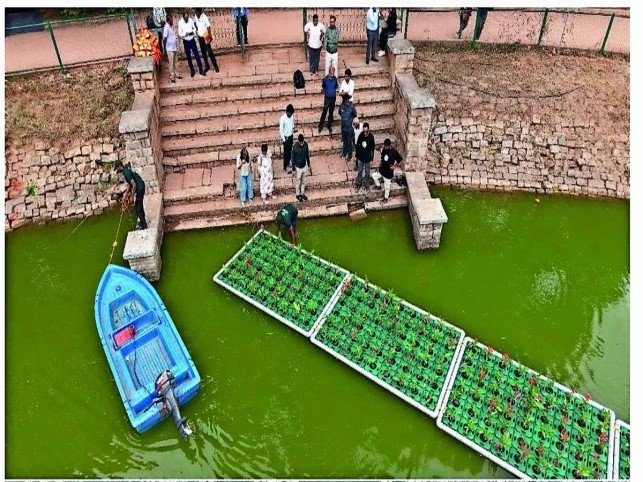
India: Engineer Gurunandan Rao's science-led effort to revive Bengaluru's Lalbagh Lake
Read more →
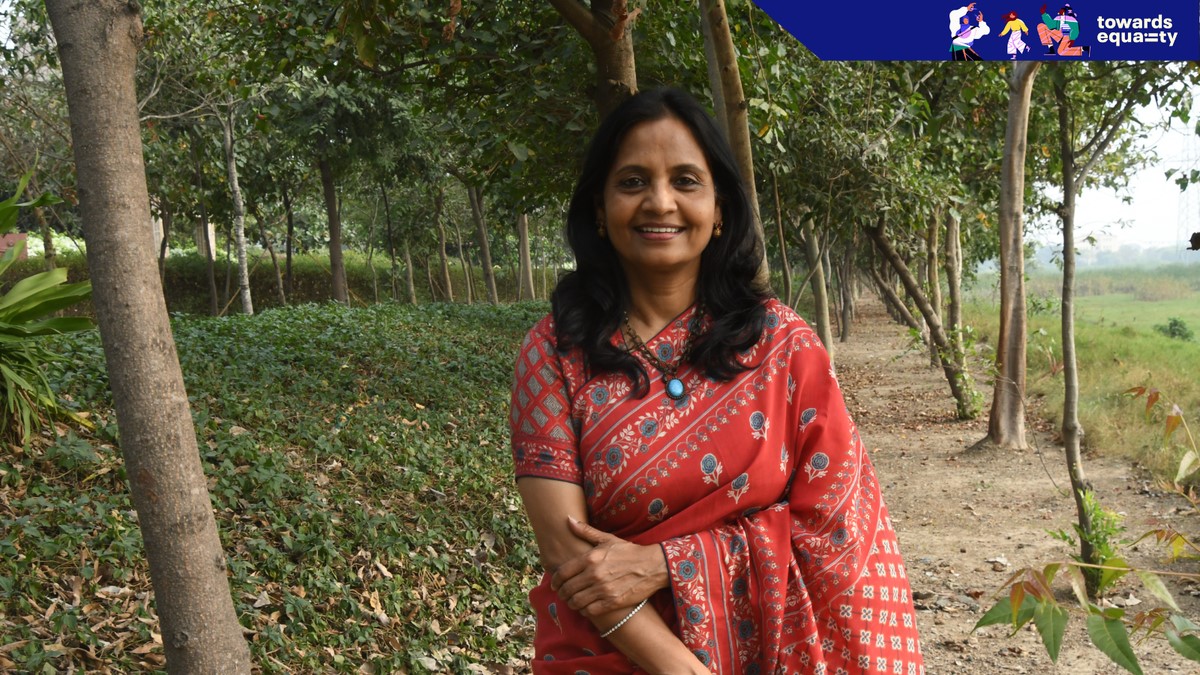
India: Supriya Sahu highlights Tamil Nadu's expansion of reserved forests to strengthen climate resilience
Read more →
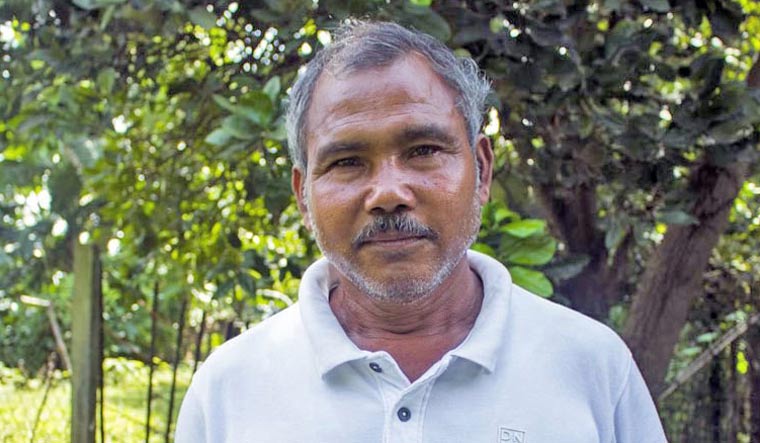
Jadav Payeng, often called the "Forest Man of India," spent roughly four decades planting trees on a barren sandbar along the Brahmaputra River in Assam
Read more →
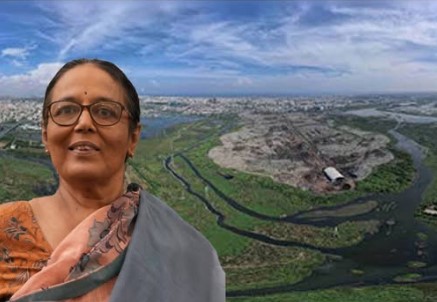
They Called Her "Just A Maami In A Saree". She Proved She Was A Force Of Nature
Read more →

How a Kolkata Neighborhood Saved its 70-Year-Old Tamarind Tree through Cultural Resistance
Read more →
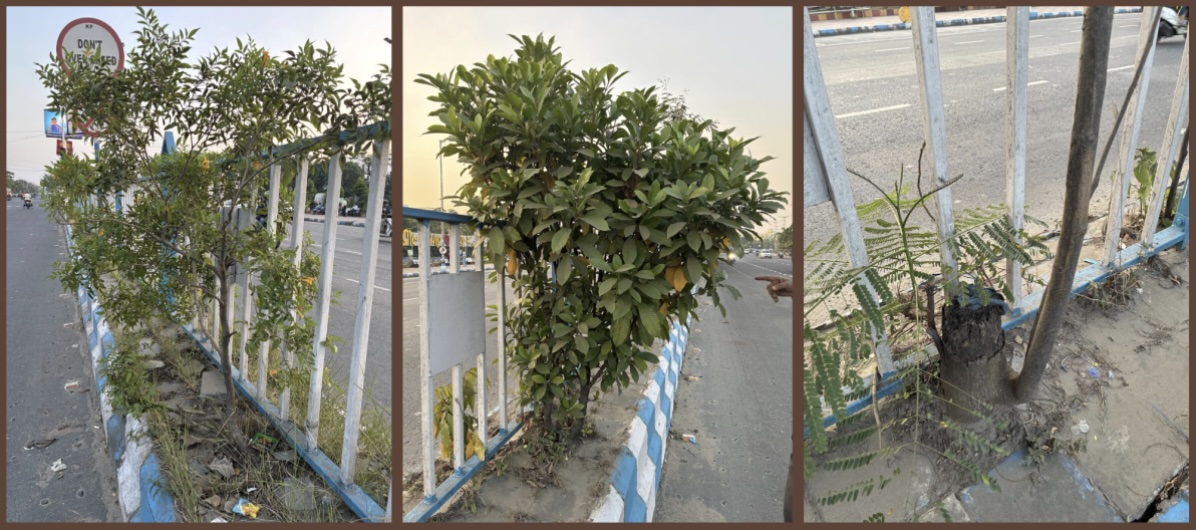
How Tree Lovers Rescued a Kolkata Neighbourhood
Read more →

The Indian Public Servant Helping Disadvantaged Communities Adapt To Rising Heat
Read more →
Meet the Lake Man Reviving 1000+ Drought-Hit South Indian Villages
You are here
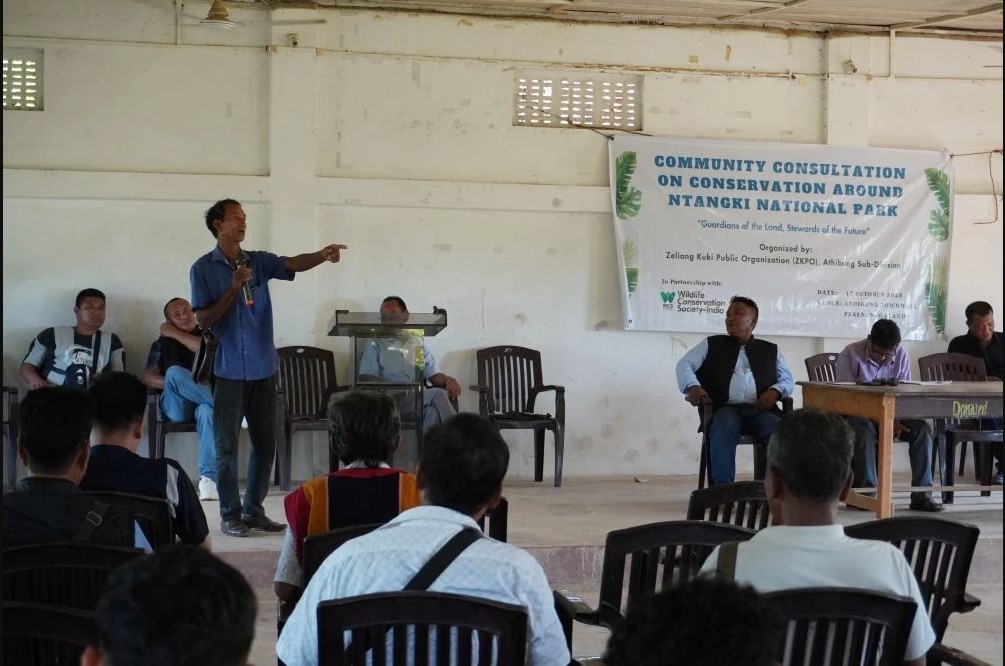
37 Villages Resolve To Protect Ntangki National Park At Athibung Consultation
Read more →
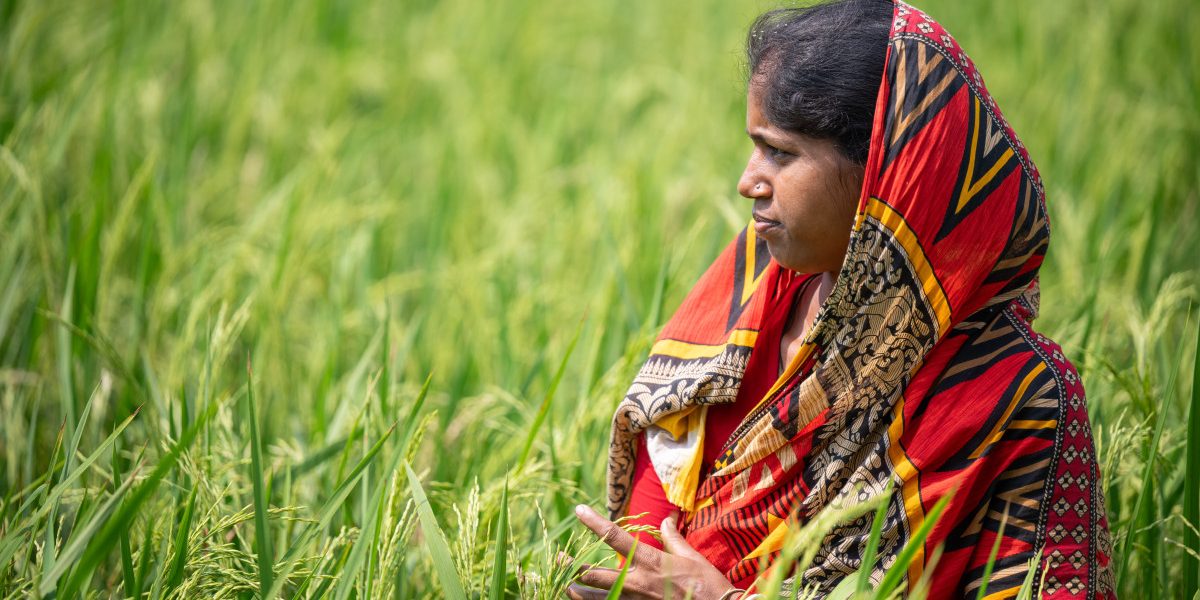
How Women Farmers in the Sundarban Are Reviving Indigenous Rice Varieties
Read more →