In a landmark step toward strengthening community-led conservation, representatives from 37 villages under Athibung sub-division, Peren district, on October 17 adopted a set of resolutions to protect and preserve the Ntangki National Park and its surrounding biodiversity. The consultation, organised by local civil society organisations and government officials, brought together village headmen, women representatives, youth groups, and forest department officers to develop a shared framework for conservation governance.
Ntangki National Park, located in Nagaland's Peren district, is one of the least disturbed forests in Northeast India. It supports a rich assemblage of biodiversity, including elephants, tigers, clouded leopards, and numerous endemic plant and bird species. The park is also a critical watershed for communities downstream, providing water for agriculture and domestic use.
The resolutions adopted at Athibung cover a range of conservation commitments, including prohibitions on poaching, restrictions on encroachment into park boundaries, agreements to report wildlife crime, and pledges to participate in forest monitoring. Importantly, the resolutions were developed through a participatory process that incorporated traditional governance structures and customary land management practices, giving them cultural legitimacy alongside legal authority.
Community-based conservation in Northeast India has a strong track record. Village-level conservation initiatives have been credited with protecting several forest areas that formal protected area systems have struggled to secure. The social cohesion and local knowledge embedded in village governance structures provide a form of ecological stewardship that complements official conservation management.
The Athibung consultation represents a model for integrating formal conservation policy with community agency. By making villages active stakeholders in park protection rather than passive subjects of conservation restrictions, the initiative addresses the longstanding tension between protected area management and the rights and livelihoods of forest-adjacent communities.
In the context of climate change, intact forests like Ntangki play an irreplaceable role in carbon storage, watershed regulation, and biodiversity preservation. Securing community commitment to their protection is therefore both a conservation and a climate resilience priority.
← Back to Stories
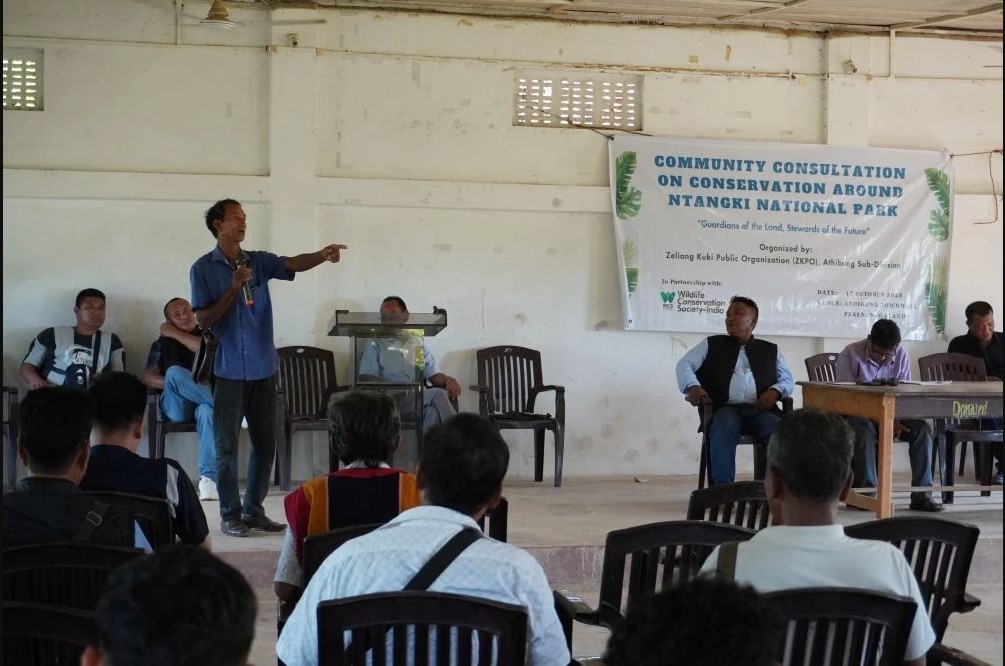
37 Villages Resolve To Protect Ntangki National Park At Athibung Consultation
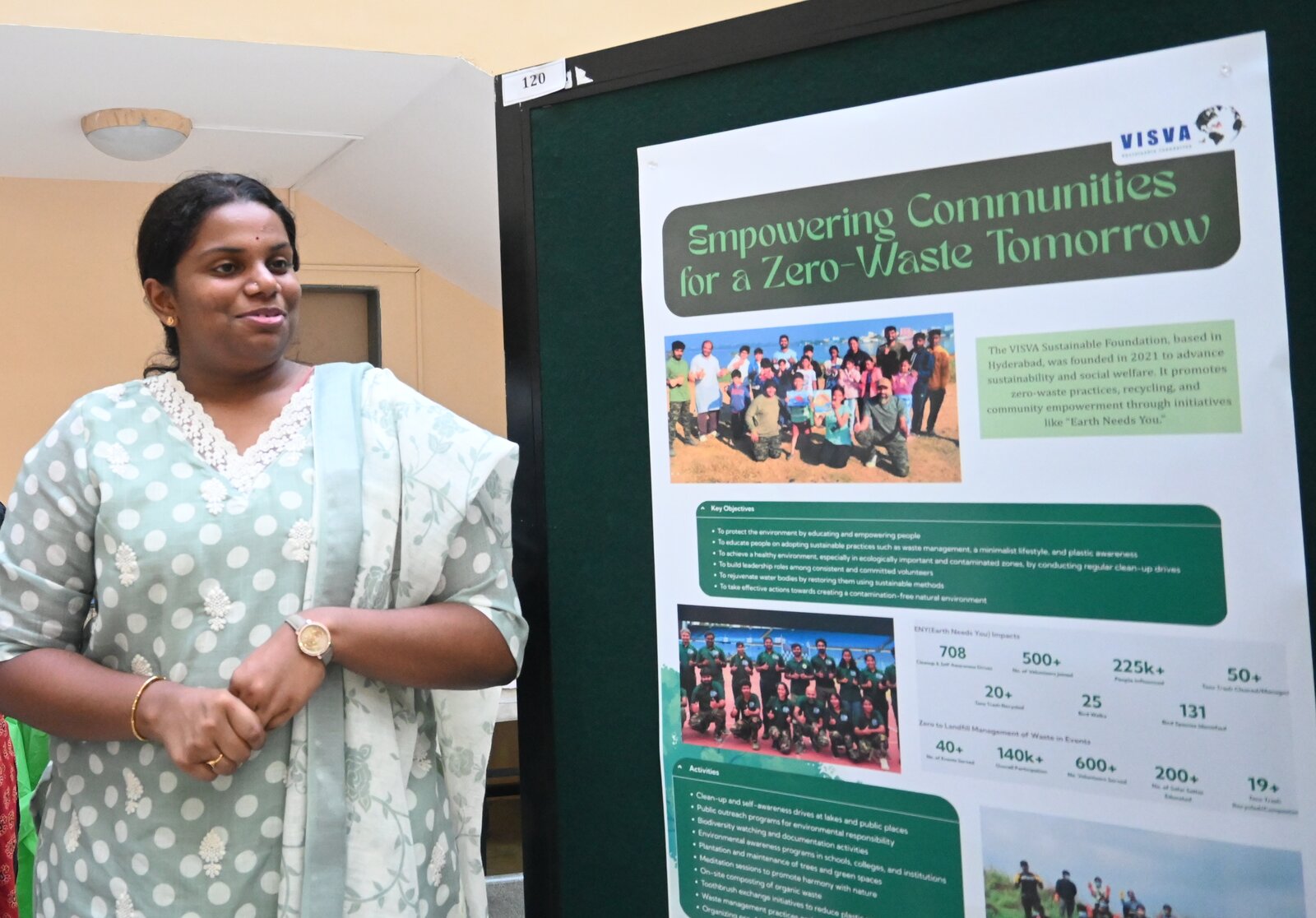
Empowering Communities for a Zero-Waste Tomorrow
Read more →

From Vulnerability to Resilience: A Climate Adaptation Journey
Read more →

Hulimavu's Blue Revolution
Read more →

Climate Justice from the Ground Up
Read more →
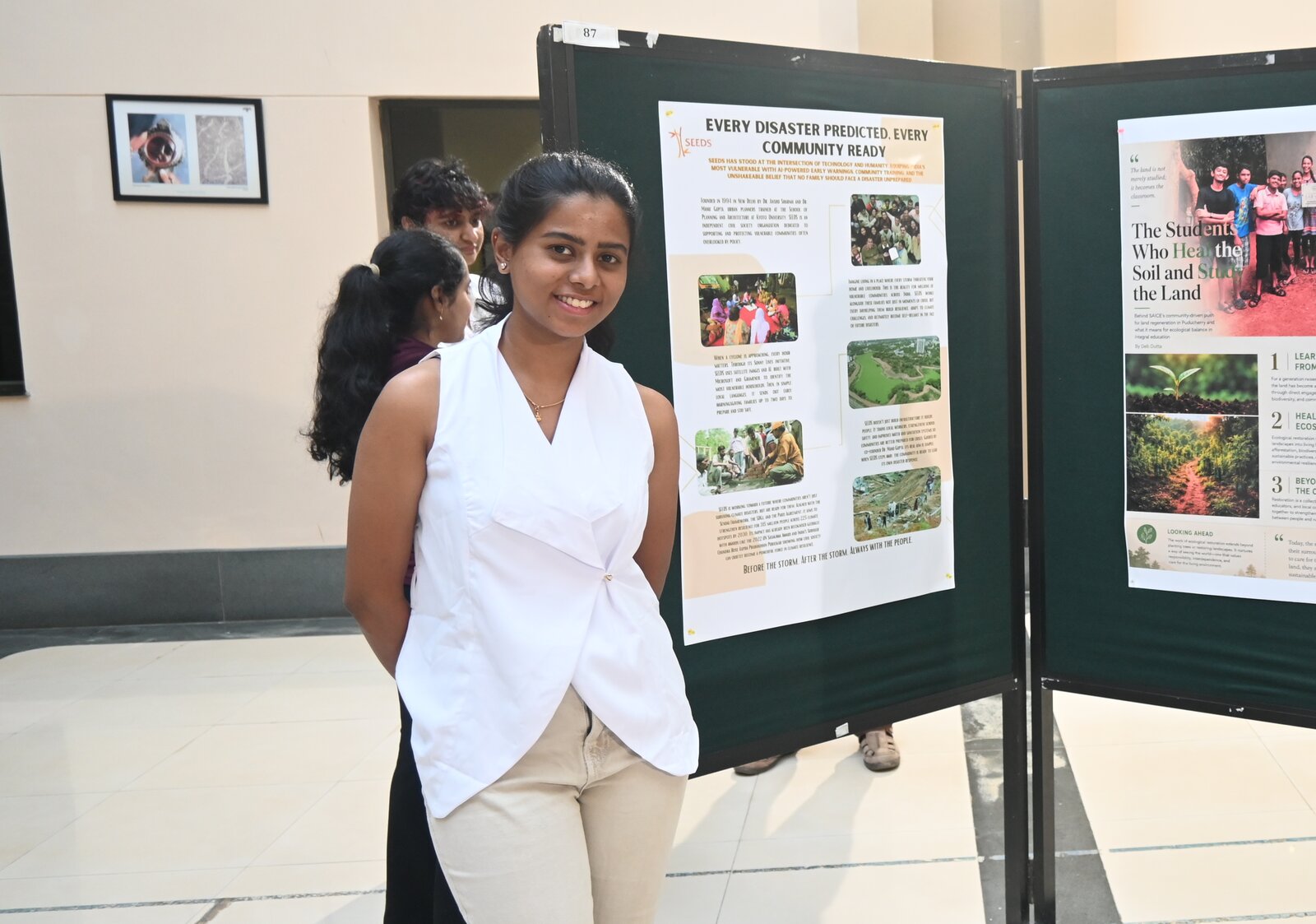
Every Disaster Predicted, Every Community Ready
Read more →
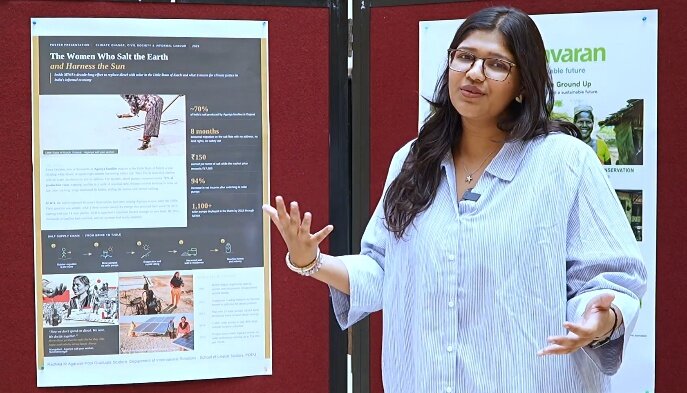
The Women Who Salt the Earth and Harness the Sun
Read more →

Guardians in Green
Read more →

Voices for a Changing Climate
Read more →

Friends of Lakes
Read more →
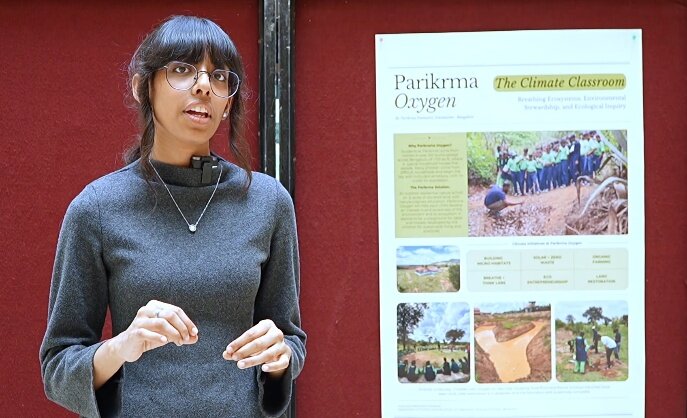
The Climate Classroom
Read more →

The Seeds of Change
Read more →
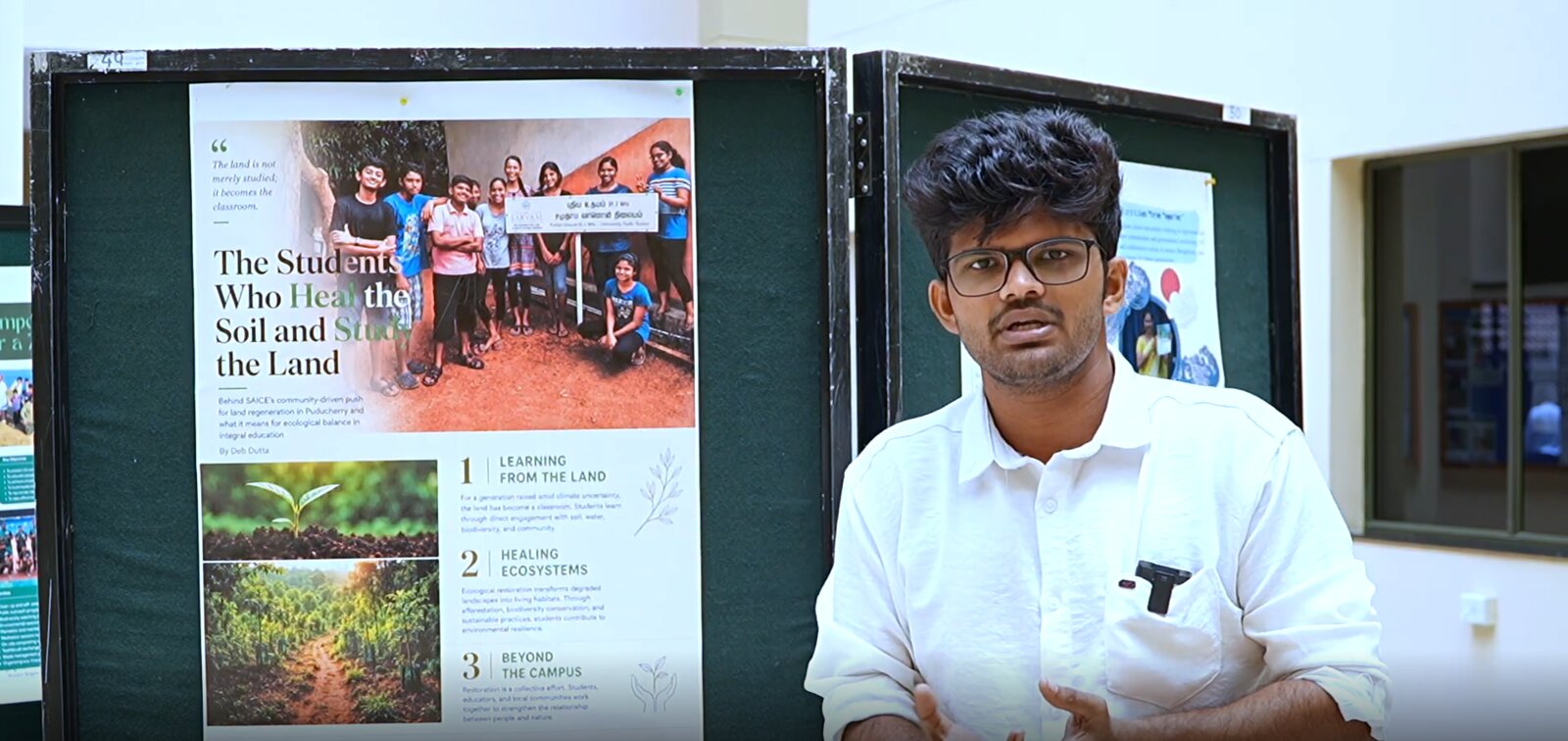
The Students Who Heal the Soil and Study the Land
Read more →
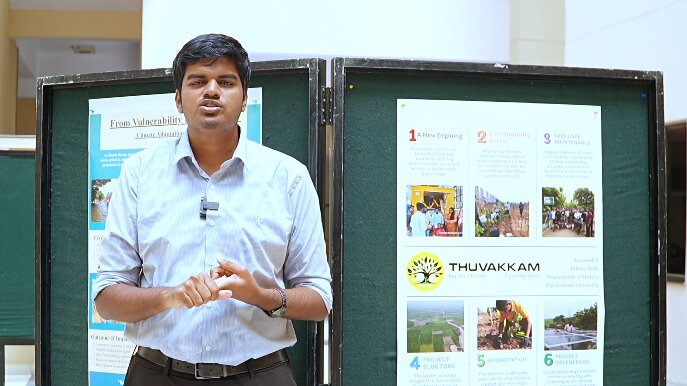
Roots, Rain & Renewal
Read more →

The Forests That Refused to Fall
Read more →

The Forest She Built
Read more →
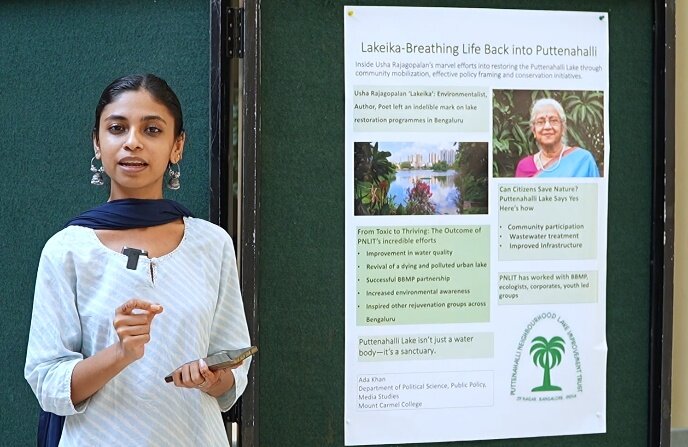
Lakeika: Breathing Life Back into Puttenahalli
Read more →

Banking on Plates for a Clean World
Read more →

Chintan Environmental Research and Action Group
Read more →
The Lakeika of India
Read more →
The Lake Man of India
Read more →
Every forest needs a Bengalata
Read more →
The Spring Keepers of Uttarakhand
Read more →

The Voice of Garhwal at 90.8 FM
Read more →
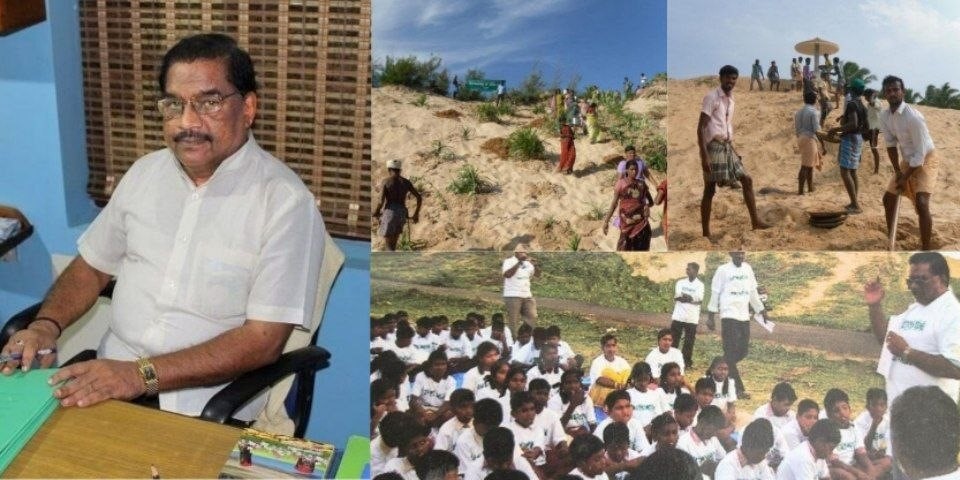
The HEAL Movement
Read more →
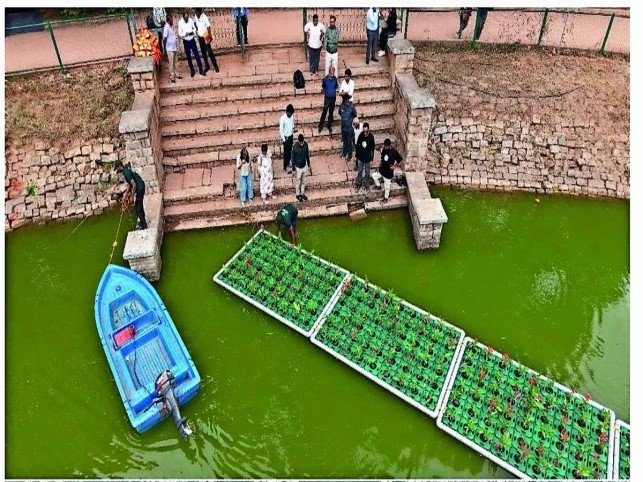
India: Engineer Gurunandan Rao's science-led effort to revive Bengaluru's Lalbagh Lake
Read more →
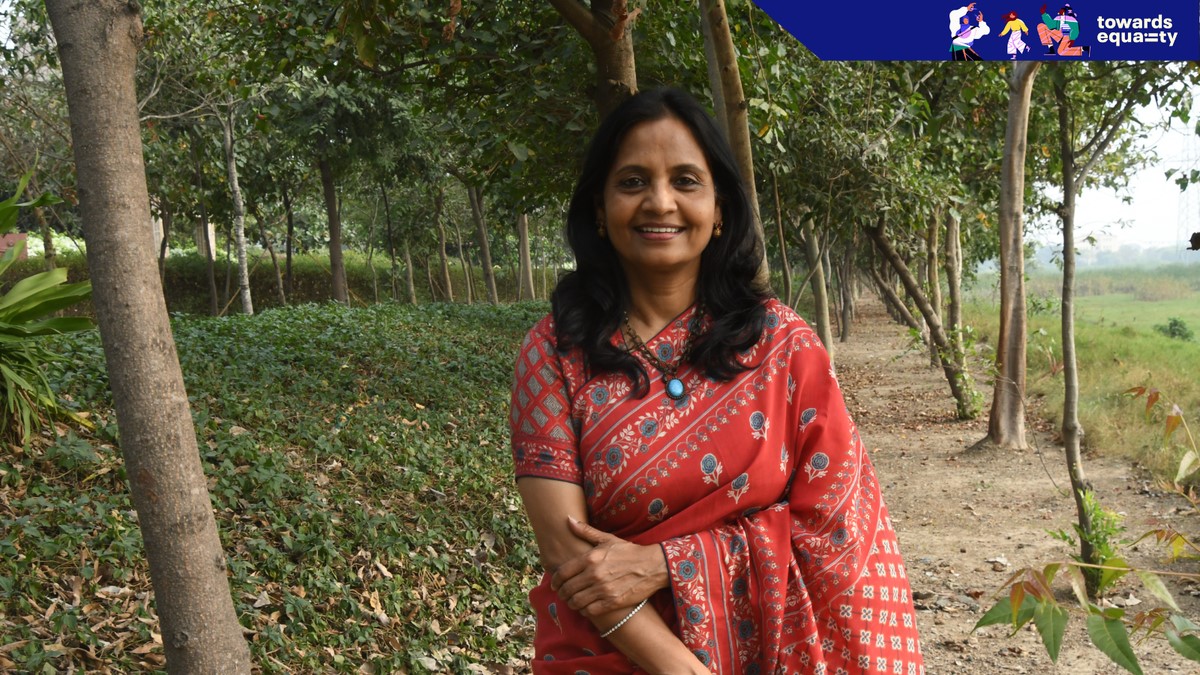
India: Supriya Sahu highlights Tamil Nadu's expansion of reserved forests to strengthen climate resilience
Read more →
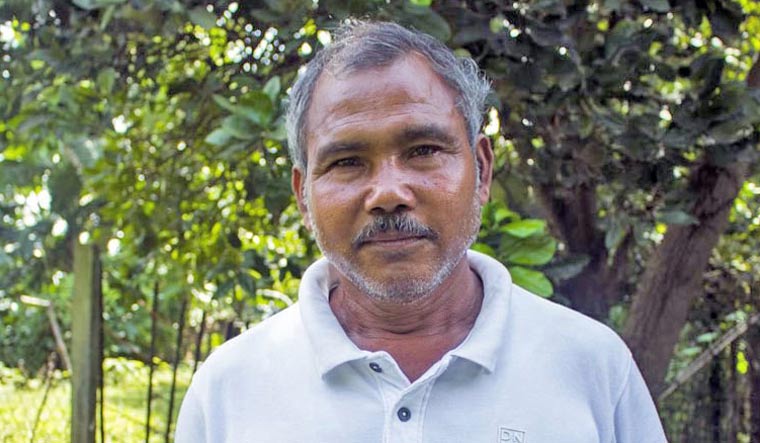
Jadav Payeng, often called the "Forest Man of India," spent roughly four decades planting trees on a barren sandbar along the Brahmaputra River in Assam
Read more →

They Called Her "Just A Maami In A Saree". She Proved She Was A Force Of Nature
Read more →

How a Kolkata Neighborhood Saved its 70-Year-Old Tamarind Tree through Cultural Resistance
Read more →
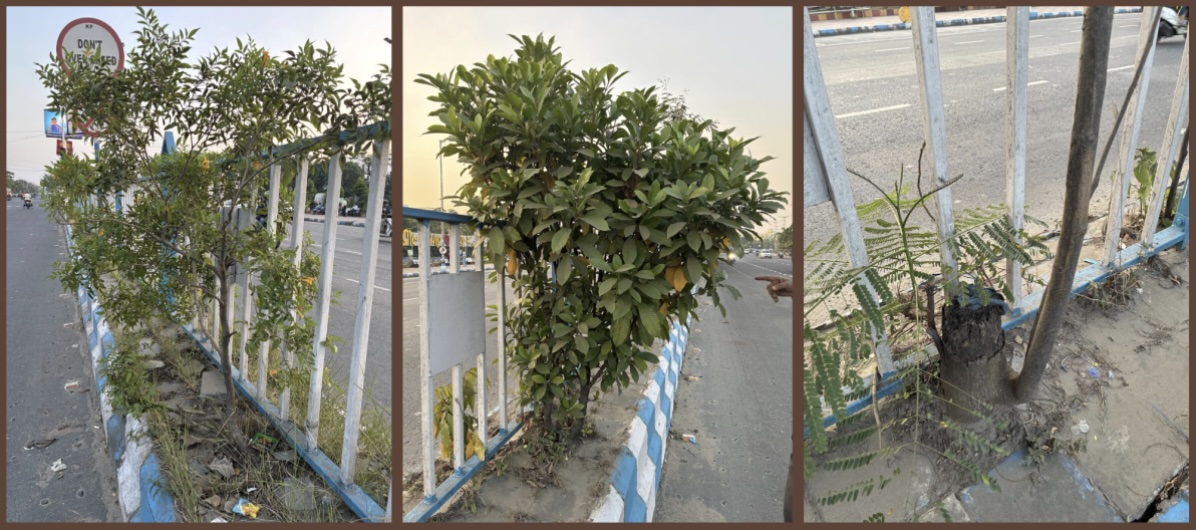
How Tree Lovers Rescued a Kolkata Neighbourhood
Read more →

The Indian Public Servant Helping Disadvantaged Communities Adapt To Rising Heat
Read more →
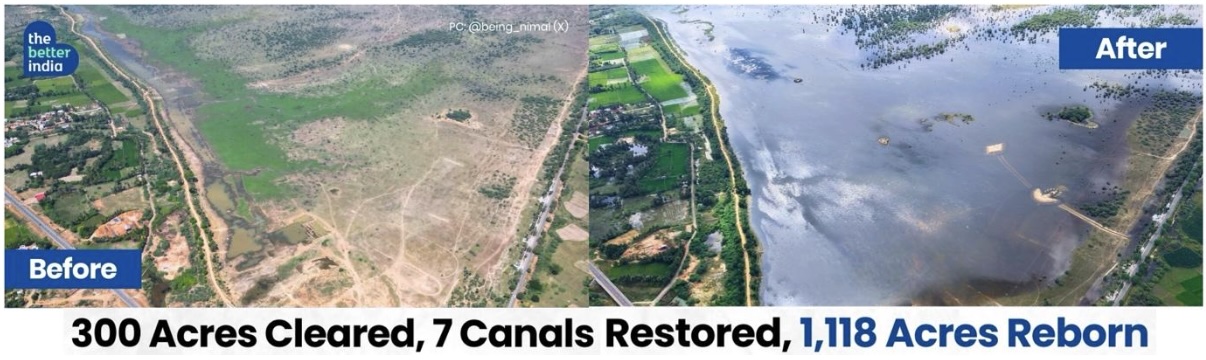
Meet the Lake Man Reviving 1000+ Drought-Hit South Indian Villages
Read more →
37 Villages Resolve To Protect Ntangki National Park At Athibung Consultation
You are here
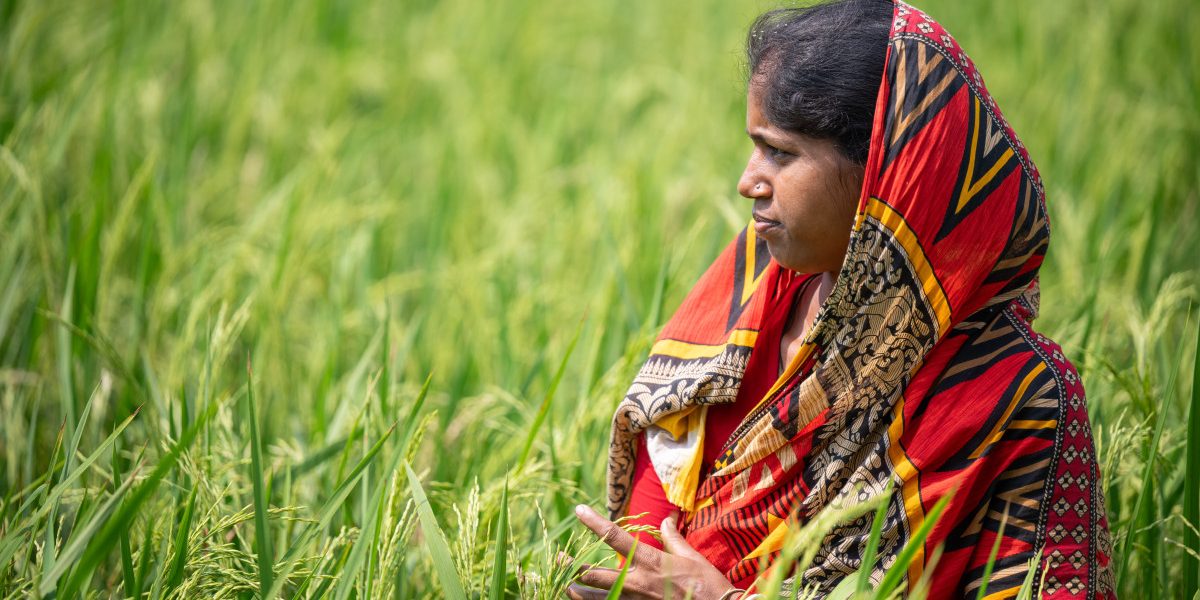
How Women Farmers in the Sundarban Are Reviving Indigenous Rice Varieties
Read more →