In a region hit hard by climate change, where salinity of agricultural land has become a major concern, indigenous rice varieties could bring some respite – provided farmers have the right support.
Sundarban (West Bengal): When Barnali Dhara, 50, stepped into her husband's chemical fertiliser shop in Nischintapur, a locality in the Indian Sundarban, she was only trying to help her husband, who had got a job as a school teacher.
A store that sells chemical fertilisers – in Sundarban and elsewhere – is often a place where farmers meet and decide, at times together, which seed and which fertiliser to buy. In the Indian Sundarban, located in West Bengal, paddy is the main crop. Women work as much in the fields as men, if not more, but the decision of whether to buy hybrid, high-yielding paddy seeds and chemical fertilisers rests with the men.
Dhara knew that when she began to manage the shop in 2005. "I came from a Sundarban family of farmers, who were also teachers," she says. She had passed the higher secondary (Class 12) board examination.
What she did not know was that after 12 years in the shop, her life would take a sharp turn.
"The men complained bitterly," says Dhara. Nischintapur is located in Kulpi administrative block in West Bengal, not far from the Bay of Bengal. The farmers complained that the chemical fertilisers were reducing the fertility of the soil, and so the next season more fertilisers would have to be bought. In Sundarban, this adds to the precarity of a farmer's situation.
The delta region that lies along the Bay of Bengal in India and Bangladesh is one of the most climate change-vulnerable places in the world. It experiences a sea level rise rate of about 8 mm per year, the world average being about 3.1 mm per year. In addition, cyclones, which are linked to climate change, have become almost annual events here.
May is a dreaded month. Cyclone Amphan had struck in May 2020, Cyclone Yaas in May 2021 and Cyclone Remal in May 2024. Cyclone Fani had hit Sundarban in April-end, 2019, and Cyclone Bulbul in November 2019. The saline water that floods in with cyclones and from sea level rise lead to salinity in the soil. This can render agricultural land uncultivable for years.
After Cyclone Aila in May 2009, which devastated the entire region, agriculture had stopped for four to five years in some places. "In Nischintapur, five years after Cyclone Amphan, someone's land is still saline," says Dhara.
But what stops growing in saline soil is the modern, scientifically developed hybrid variety of paddy that require chemical fertilisers. What survives is the indigenous or traditional paddy of Sundarban, a fact that was becoming increasingly clear after Cyclone Aila.
← Back to Stories
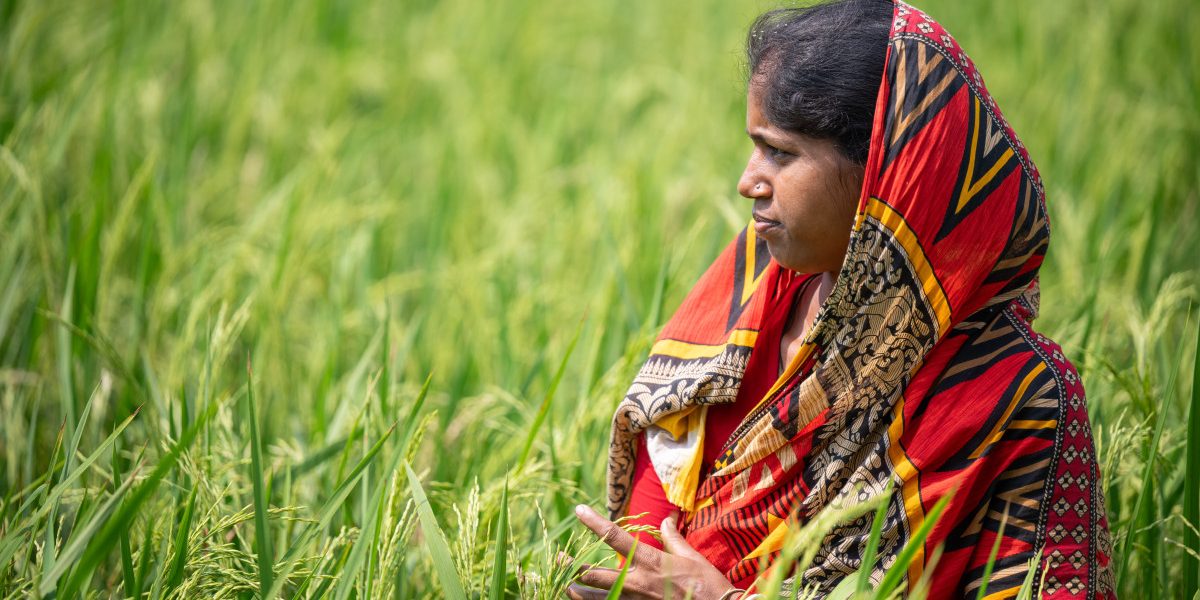
How Women Farmers in the Sundarban Are Reviving Indigenous Rice Varieties
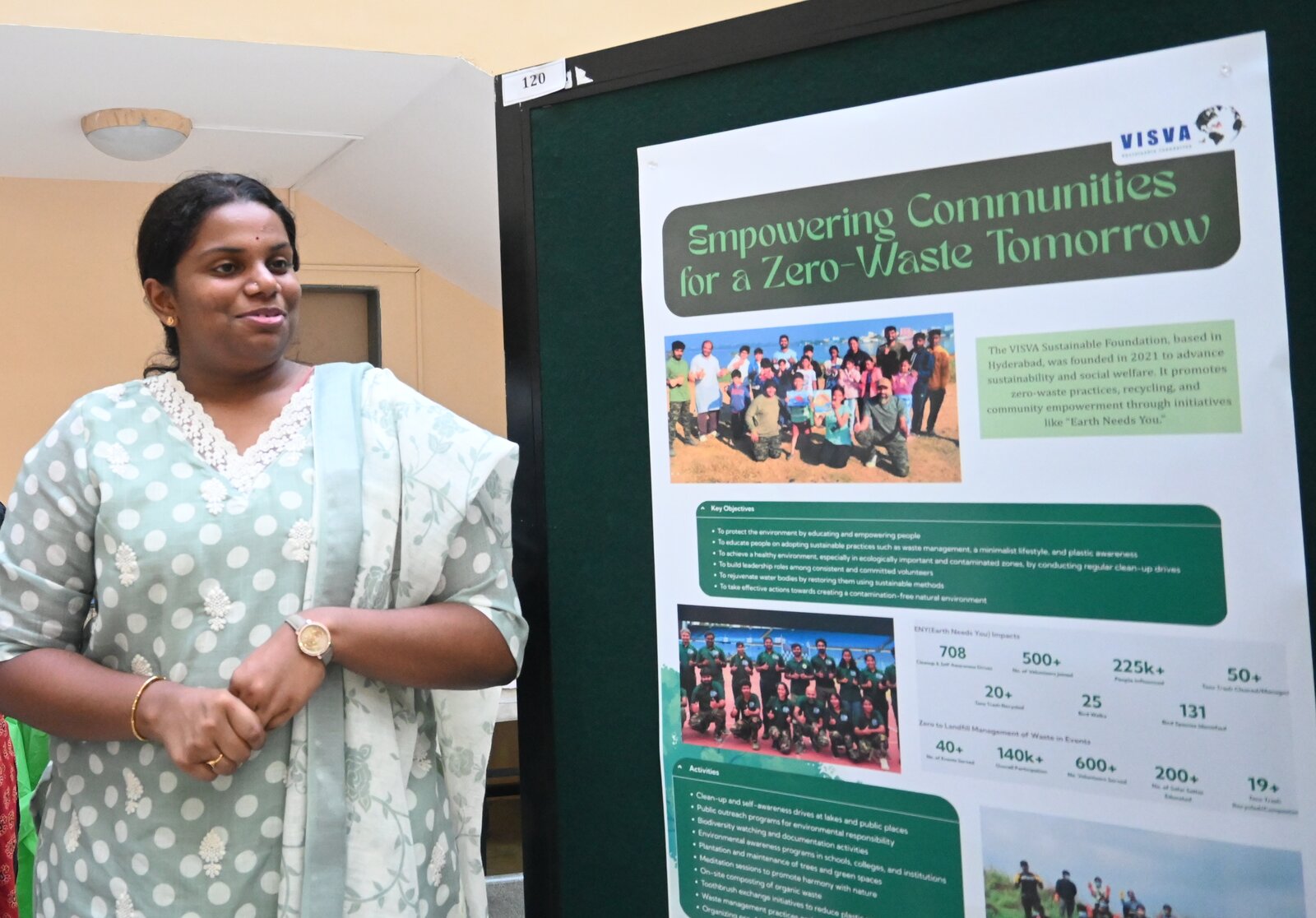
Empowering Communities for a Zero-Waste Tomorrow
Read more →

From Vulnerability to Resilience: A Climate Adaptation Journey
Read more →

Hulimavu's Blue Revolution
Read more →

Climate Justice from the Ground Up
Read more →
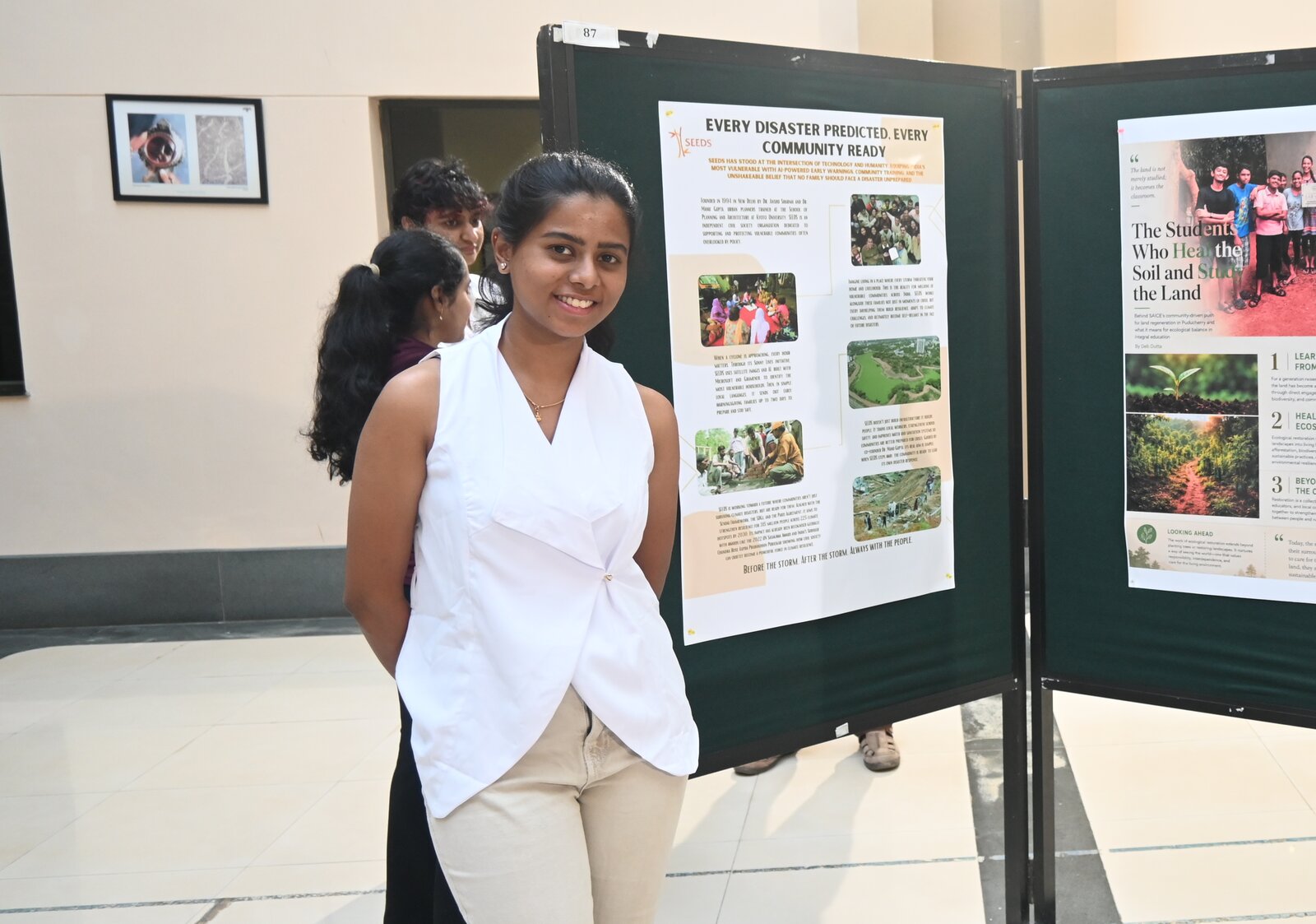
Every Disaster Predicted, Every Community Ready
Read more →
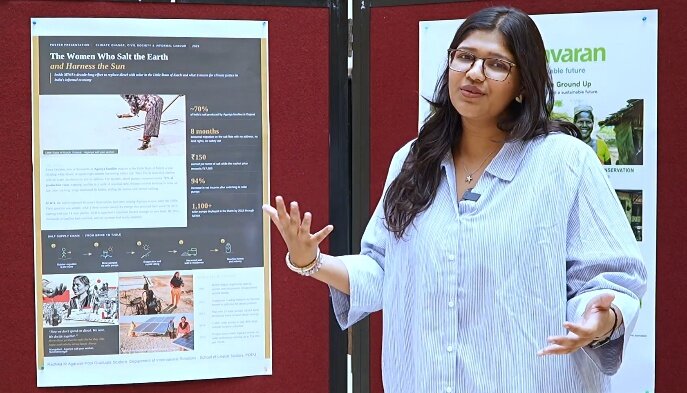
The Women Who Salt the Earth and Harness the Sun
Read more →

Guardians in Green
Read more →

Voices for a Changing Climate
Read more →
Friends of Lakes
Read more →
The Climate Classroom
Read more →

The Seeds of Change
Read more →
The Students Who Heal the Soil and Study the Land
Read more →
Roots, Rain & Renewal
Read more →

The Forests That Refused to Fall
Read more →

The Forest She Built
Read more →
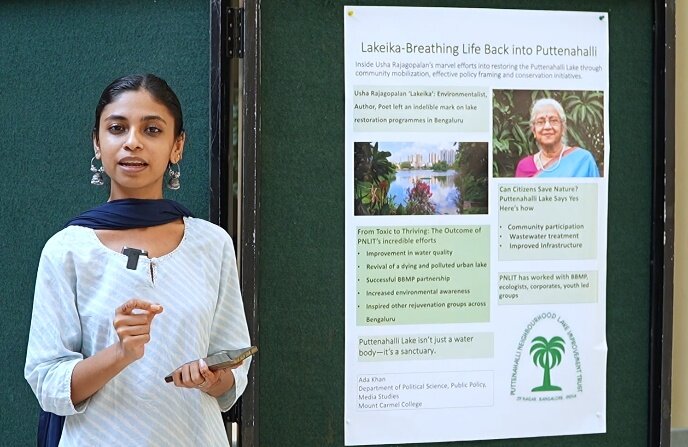
Lakeika: Breathing Life Back into Puttenahalli
Read more →
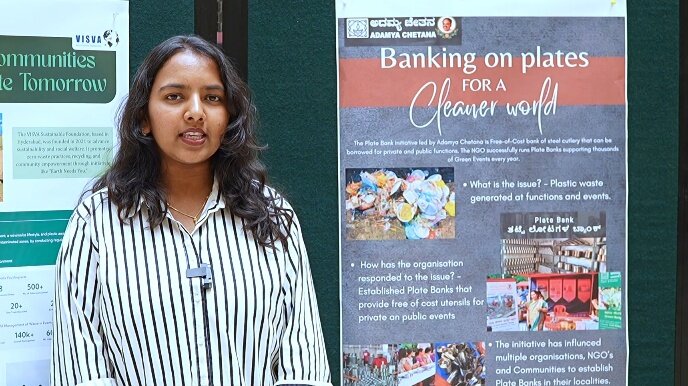
Banking on Plates for a Clean World
Read more →
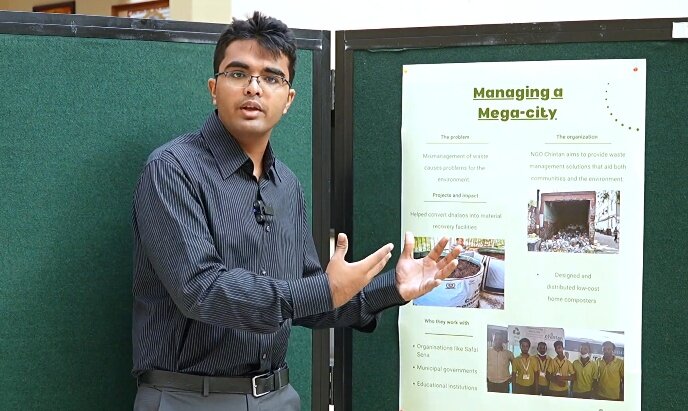
Chintan Environmental Research and Action Group
Read more →
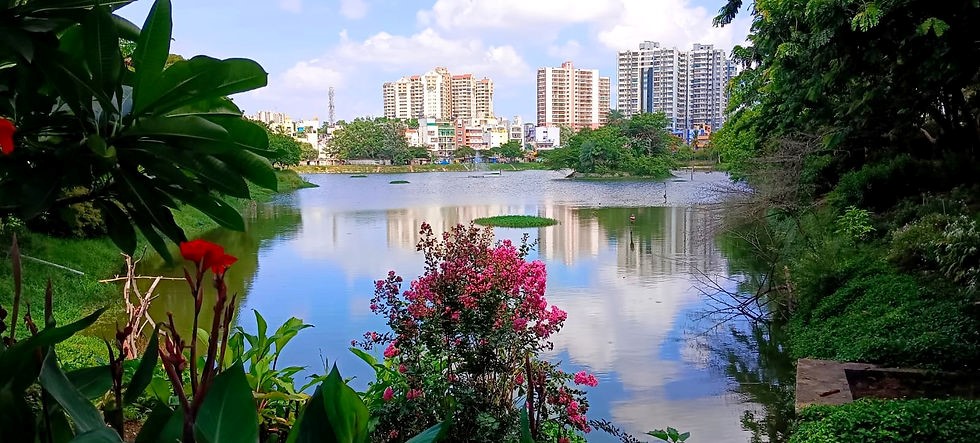
The Lakeika of India
Read more →
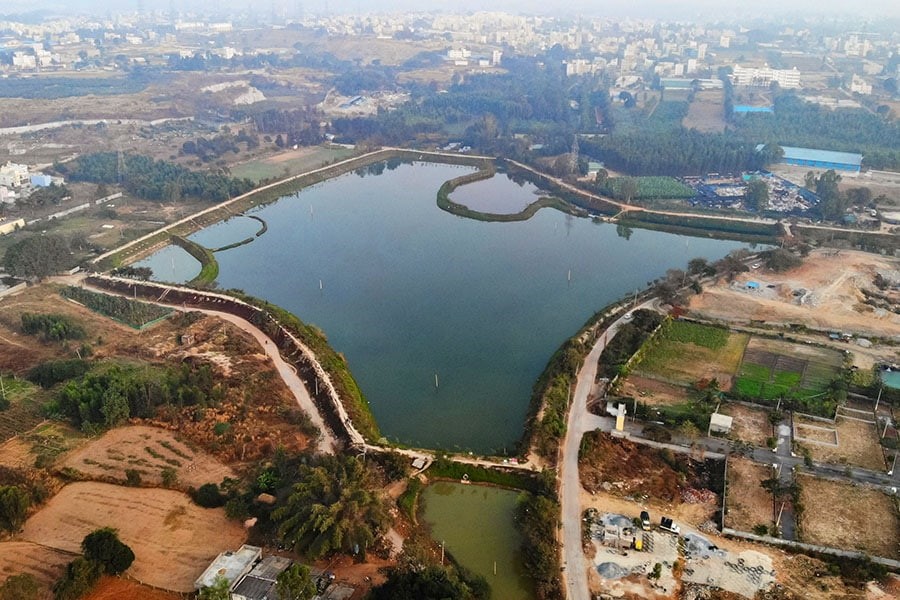
The Lake Man of India
Read more →
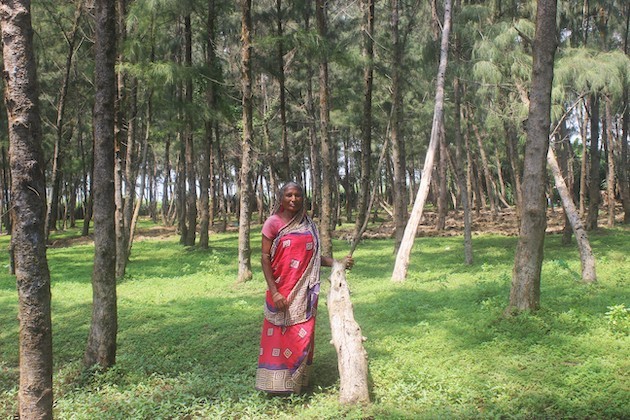
Every forest needs a Bengalata
Read more →
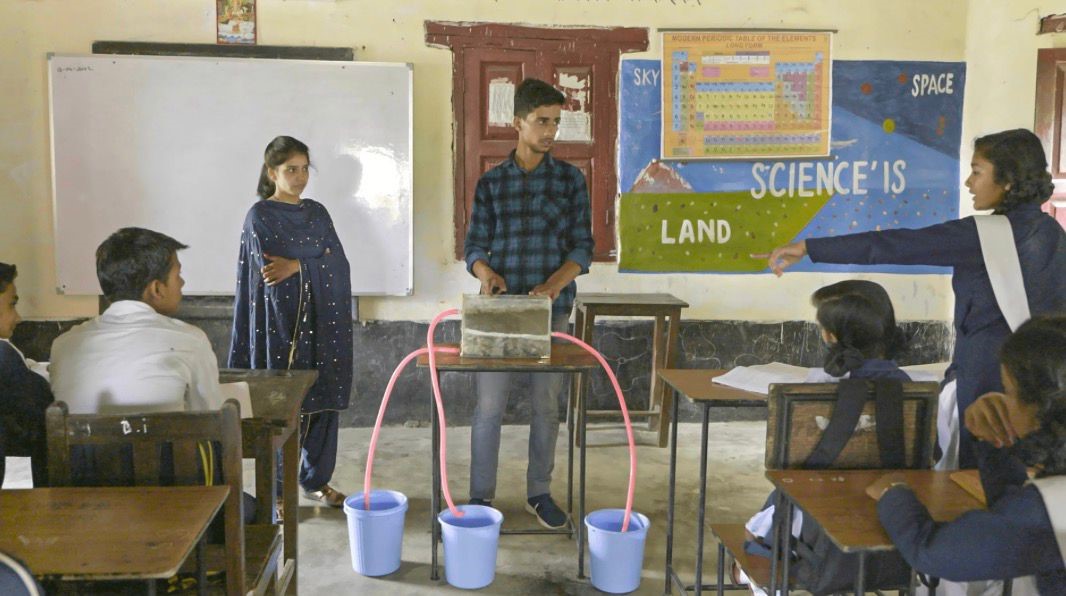
The Spring Keepers of Uttarakhand
Read more →

The Voice of Garhwal at 90.8 FM
Read more →
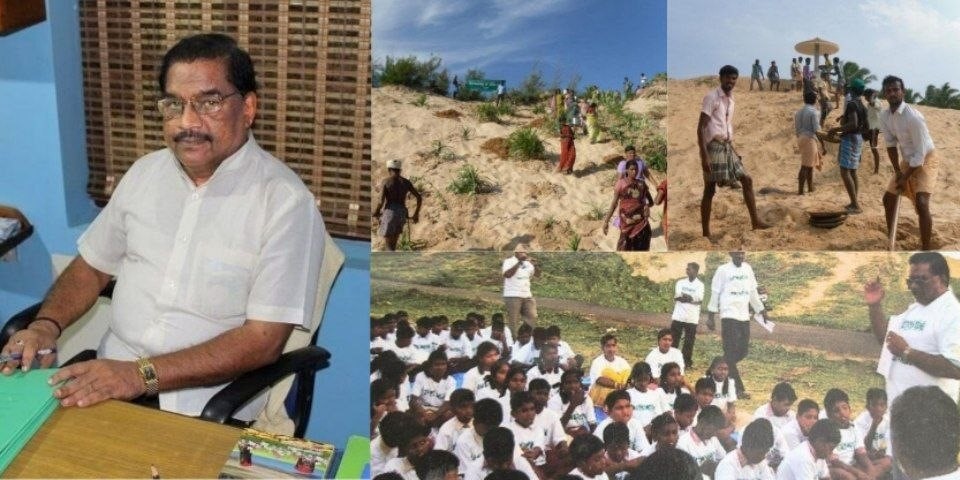
The HEAL Movement
Read more →
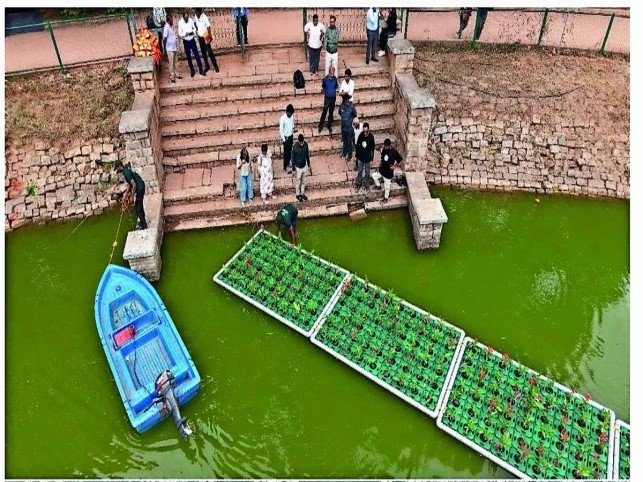
India: Engineer Gurunandan Rao's science-led effort to revive Bengaluru's Lalbagh Lake
Read more →
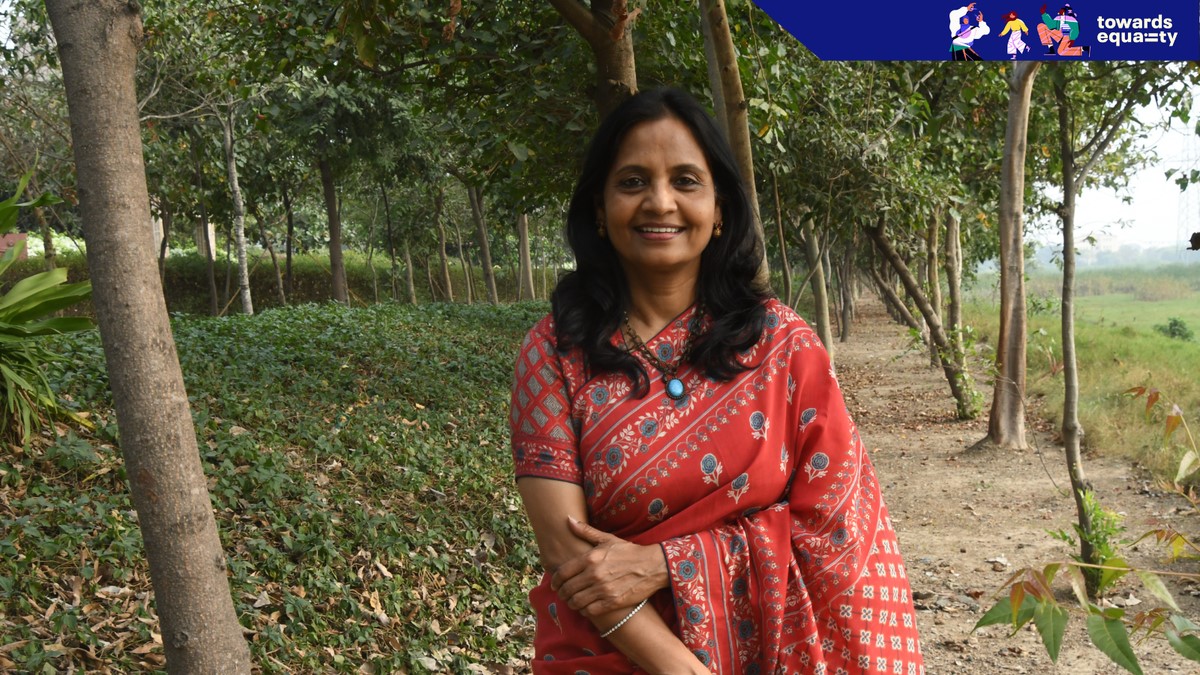
India: Supriya Sahu highlights Tamil Nadu's expansion of reserved forests to strengthen climate resilience
Read more →
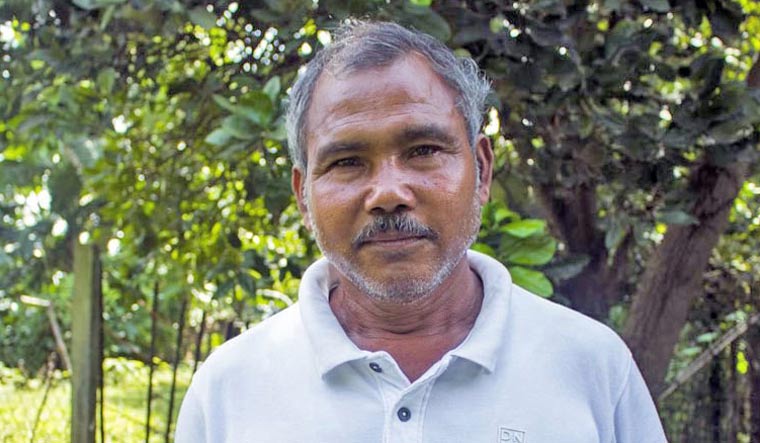
Jadav Payeng, often called the "Forest Man of India," spent roughly four decades planting trees on a barren sandbar along the Brahmaputra River in Assam
Read more →
They Called Her "Just A Maami In A Saree". She Proved She Was A Force Of Nature
Read more →

How a Kolkata Neighborhood Saved its 70-Year-Old Tamarind Tree through Cultural Resistance
Read more →
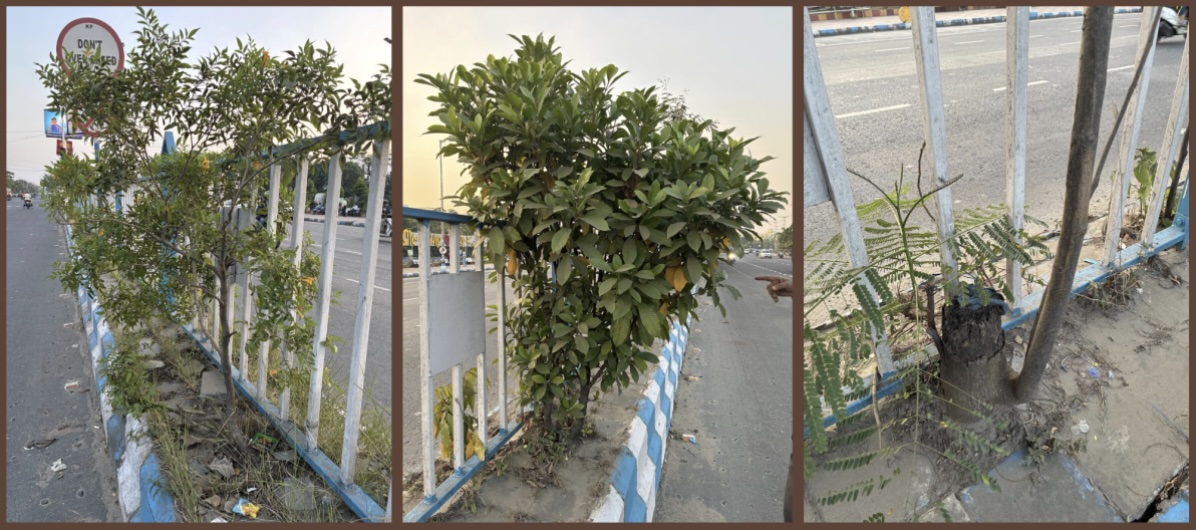
How Tree Lovers Rescued a Kolkata Neighbourhood
Read more →

The Indian Public Servant Helping Disadvantaged Communities Adapt To Rising Heat
Read more →
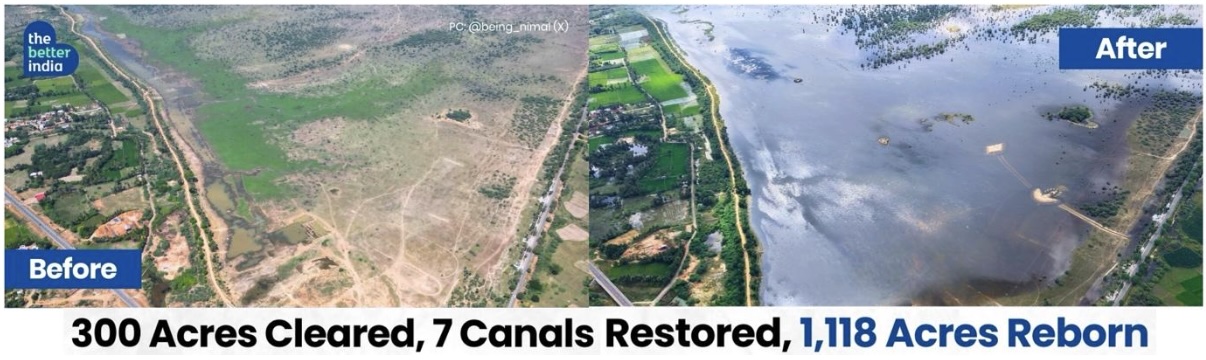
Meet the Lake Man Reviving 1000+ Drought-Hit South Indian Villages
Read more →
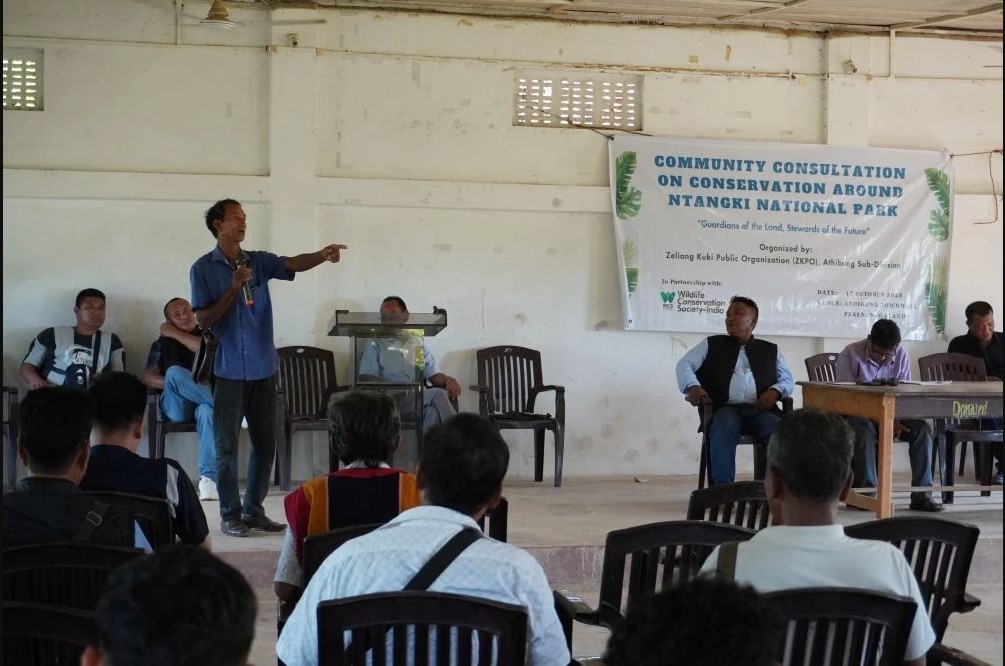
37 Villages Resolve To Protect Ntangki National Park At Athibung Consultation
Read more →
How Women Farmers in the Sundarban Are Reviving Indigenous Rice Varieties
You are here