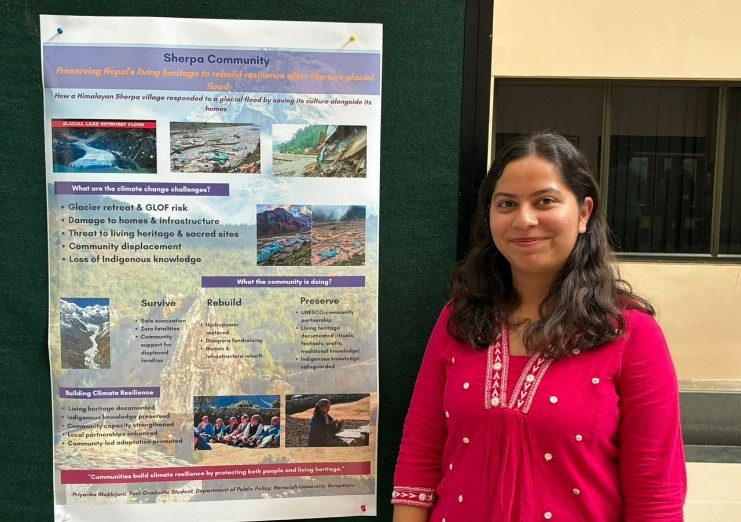
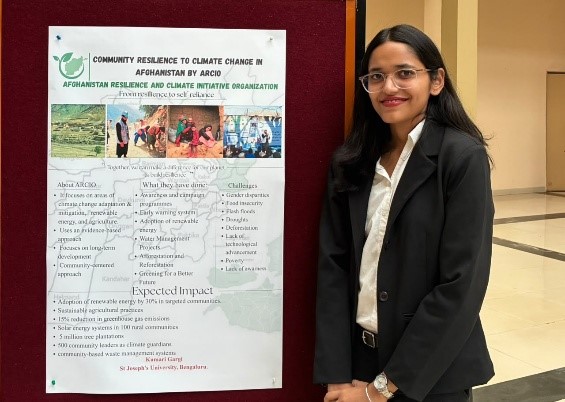
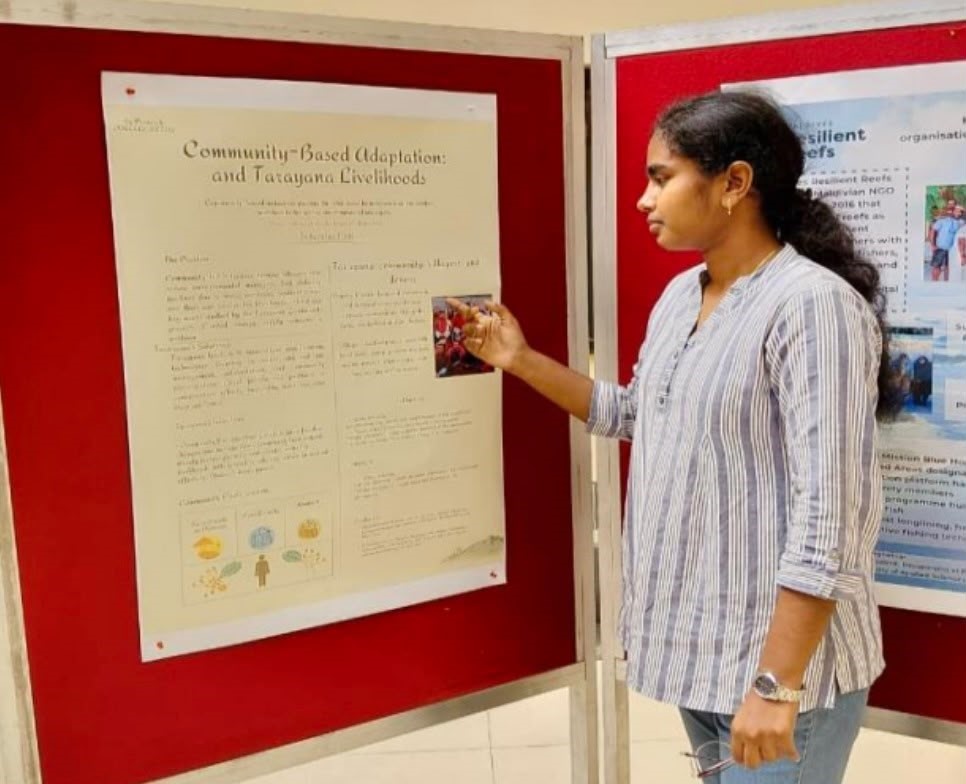
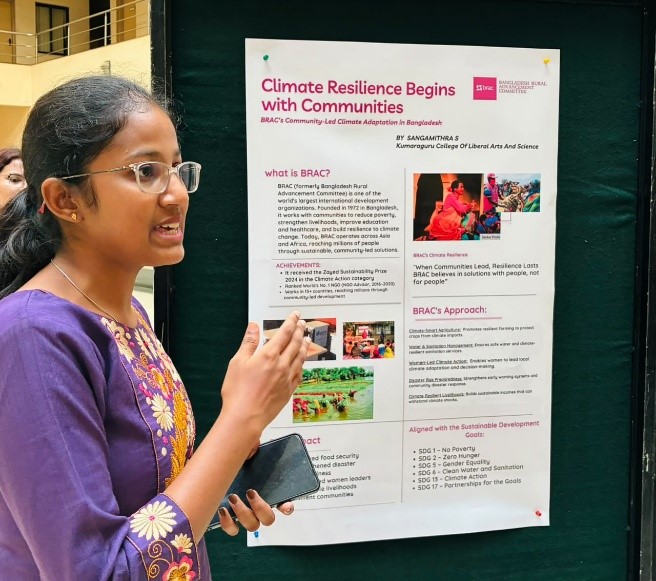
As part of the NIAS Climate Change, Civil Society and Peace (C3SP) initiative in collaboration with GPPAC South Asia, Priyanka Makhijani, a postgraduate student at the Department of Public Policy, School of Social Science, Ramaiah University, Bengaluru, documents the story of the women of Salga village in Uttarakhand, who came together to revive their drying springs and restore water security. Drawing on media reports and publicly available accounts, the story traces how women from the village with support from the People’s Science Institute (PSI) used local participation, hydrogeological knowledge, and simple water conservation measures to restore spring recharge zones. It highlights how community-led action helped address a growing water crisis in a Himalayan village increasingly affected by changing rainfall patterns, environmental degradation, and climate change.
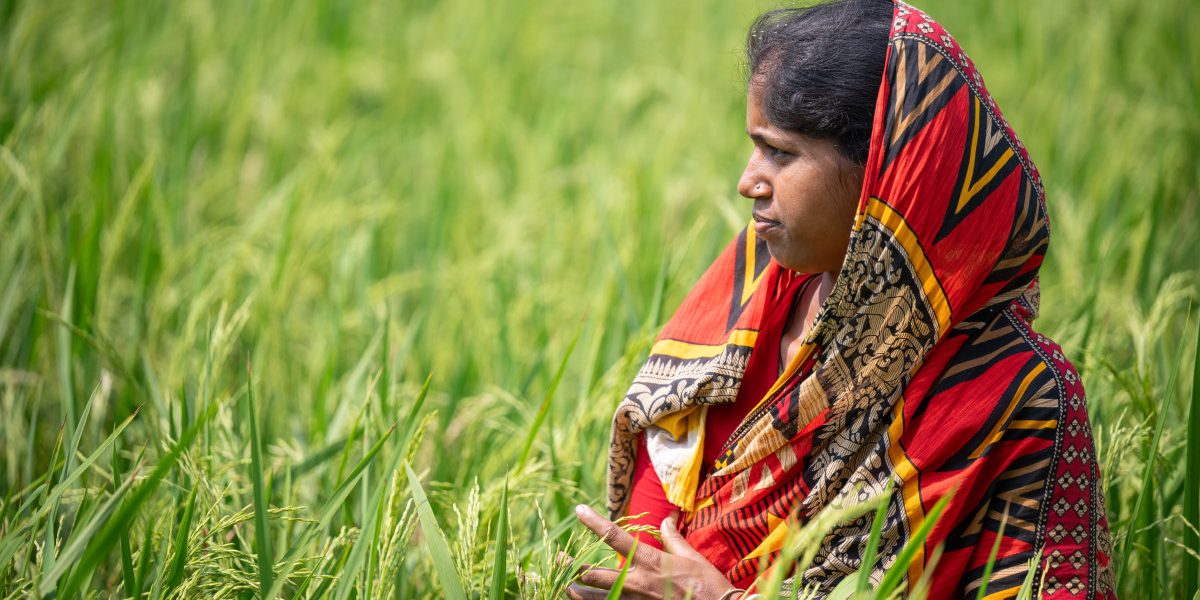
In the small Himalayan village of Salga in Uttarakhand, water was once a source of daily struggle every morning Shobha Devi used to wake up at 4 am and walk to a nearby spring carrying empty buckets. Long queues formed as women from neighbouring villages waited for their turn to collect the slow trickle of water. A task that should have taken minutes often consumes hours, leaving little time for household work, farming, and children. Like many villages across the Indian Himalayas, Salga was facing a growing water crisis. Erratic rainfall, land-use changes, and climate change had reduced groundwater recharge, causing natural springs to dry up.
Although the village received tap water connections under the Jal Jeevan Mission in 2021, the taps remained largely dry because the spring feeding them had weakened.
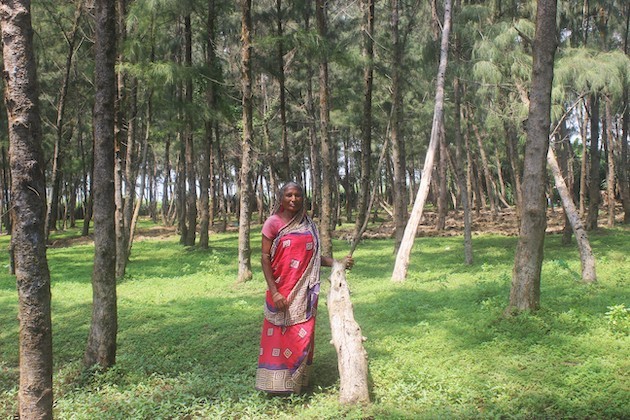
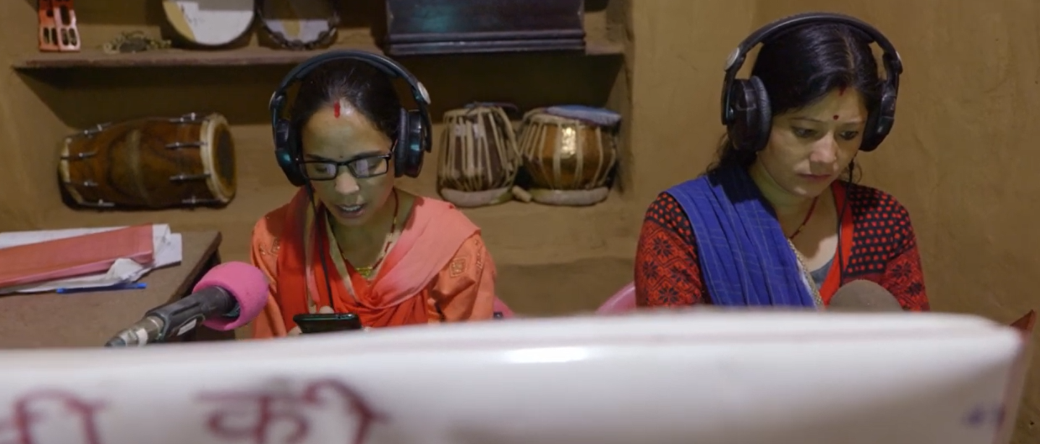
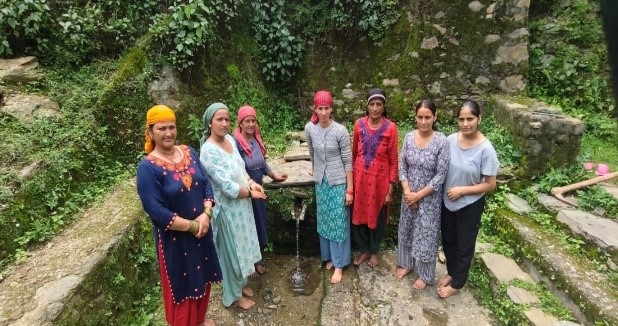
Shobha Devi and other members of Mahila Mandal Dal started to look for the solution. They played a vital role in conserving forest, water management and even were the first responders during disaster. The residents of the village Nirma Negi and Shobha Devi, they partnered with the people’s Science Institute (PSI) to understand why their springs were disappearing.
With the help of hydrogeological assessments, they learned that changes in vegetation cover, road construction, and intense rainfall were preventing rainwater from replenishing underground aquifers. With the help of this knowledge, the women began restoring the springs themselves. The recharge area for Devta Ka Pani extended about 50 meters upslope from the spring and covered around 1 hectare of land, although, the Chargad spring had a larger recharge zone of approximately 3 hectares.
 |
 |
|
| Source: Behen Box | ||
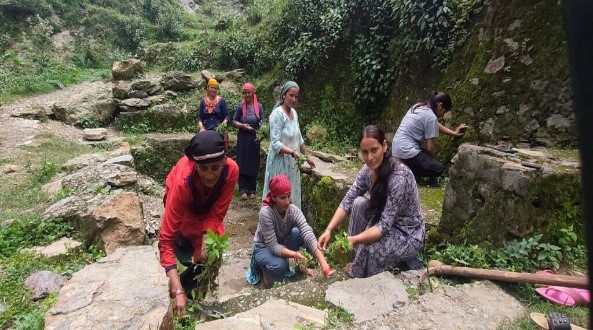
They carried spades, hoes, and sickles, they climbed the hills surrounding the village and dug trenches across the recharge zones. These trenches slowed rainwater runoff and allowed it to seep into the ground. They also planted grasses and vegetation to retain moisture and protect the soil. Once the work started, men joined in. together about 25 women and 50 men were working and they carved around 650 trenches, each were about 2 meter long, 1 meter wide and 1 meter deep within 5 days.
After the Chargad recharge area was treated, water started to flow through the taps. Every village residents-built tank for their household. Nirma said in the summer if the bucket takes longer to fill then they check the trenches to see what’s wrong. They also plant more vegetation around the recharge zone to hold the moister.
Gudda Devi says that “We take care of the recharge area like it’s our own. We clear weeds, clean the trenches when they get filled with mud and even fix small animal burrows near the spring.
Reference:
Singh, V. (2025, August 24). The women who brought water back to a Himalayan village https://behanbox.com/2025/08/24/the-women-who-brought-water-back-to-a-himalayan-village/
About the Author:
Priyanka Makhijani is a post-graduate student at the Department of Public Policy, School of Social Science, Ramaiah University, Bengaluru.