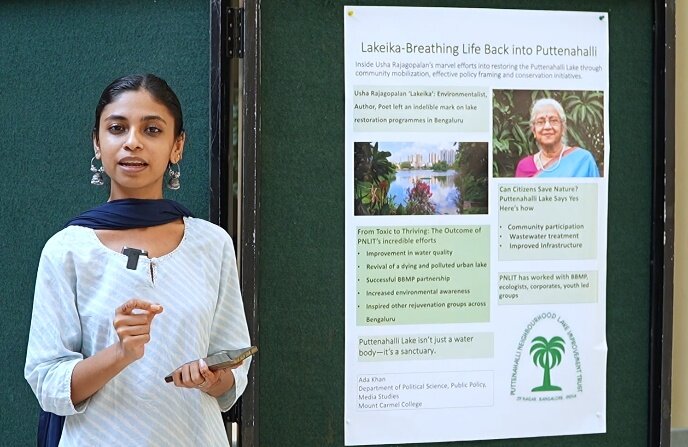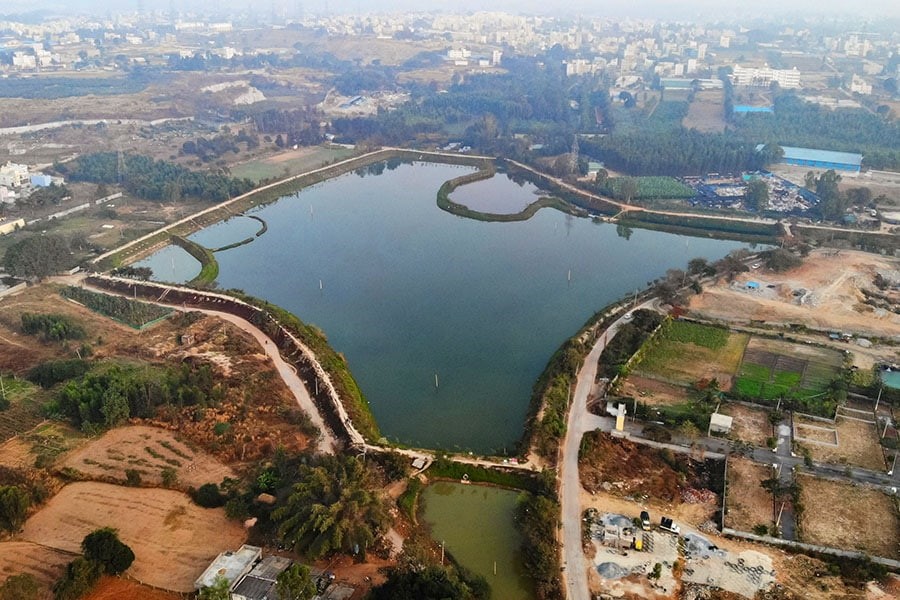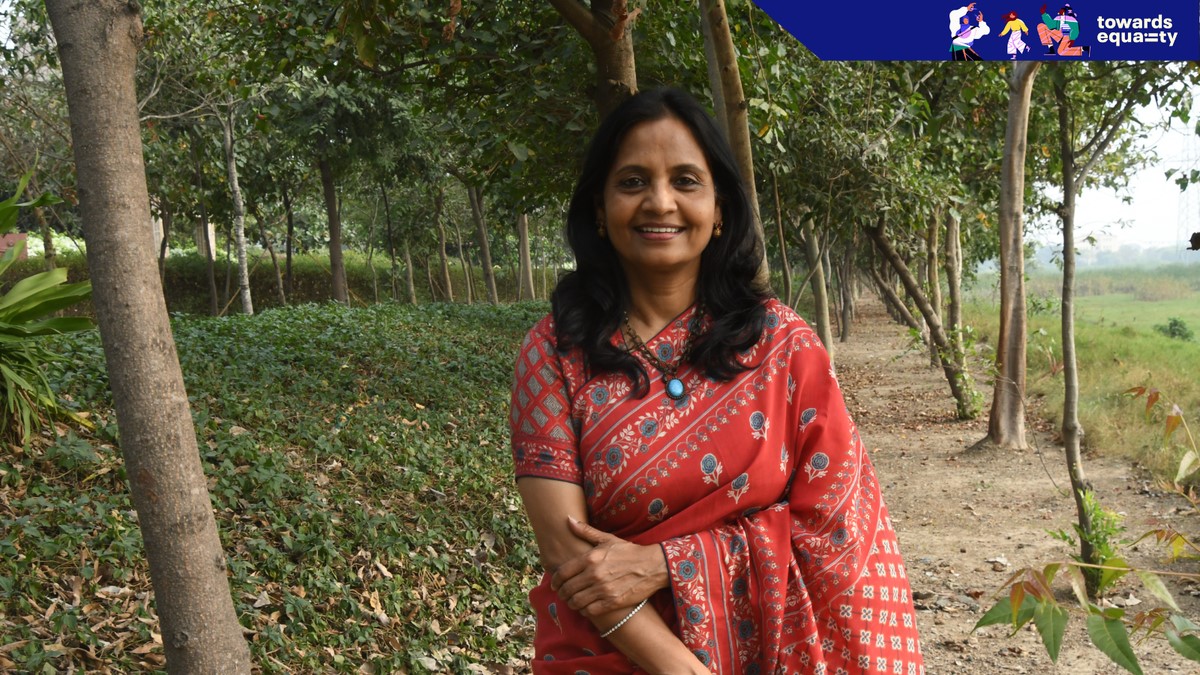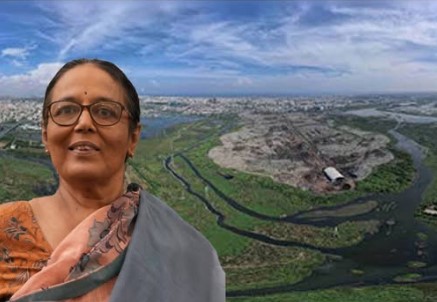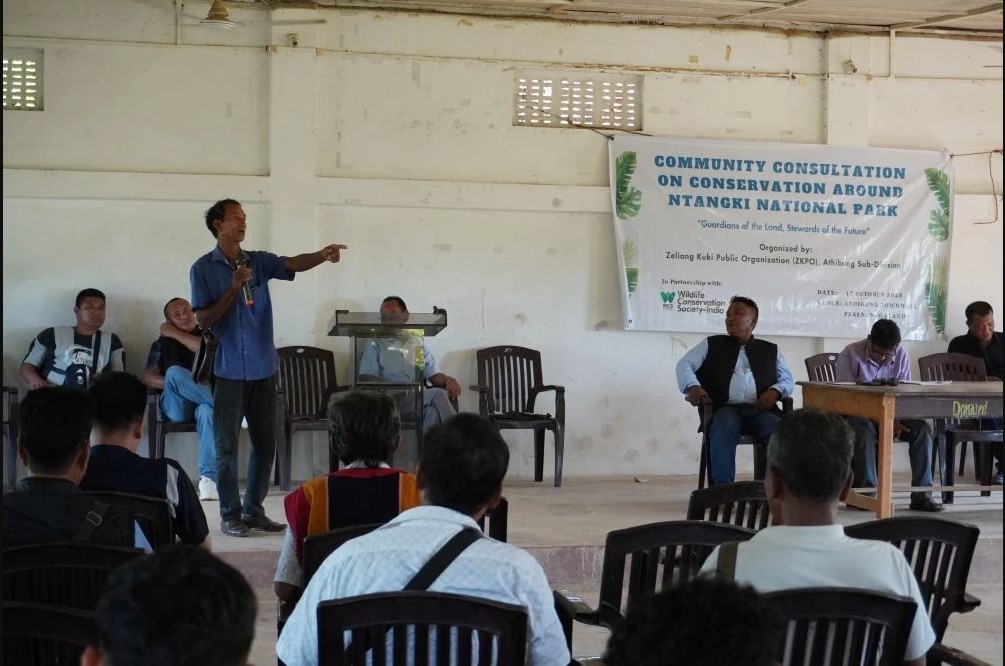
The Puttenahalli Lake in Jayanagar was once an abode for bird watching but over the years due to neglect and lack of maintenance led to silt and debris accumulation and the condition deteriorated. Usha Rajagopalan, author turned environmentalist hailing from Kerala when shifted to Bengaluru in 2006 was taken aback by the condition of Puttenahalli Lake. Her monumental efforts led to PNLIT becoming one of Bengaluru’s active lake restoration groups who continues to fight for environmental justice and security.

(Picture credits: bangaloreliteraturefestival.org)
Usha Rajagopalan initially raised concerns about debris accumulation, sewage inflow, and eutrophication in the lake by approaching authorities, community groups, and media houses. When these efforts proved ineffective, she mobilised local residents and formed the Puttenahalli Neighbourhood Lake Improvement Trust. With support from the Agenda for Bengaluru Infrastructure and Development Task Force, PNLIT approached the Bruhat Bengaluru Mahanagara Palike to be officially recognised as a lake restoration group.
In 2010, PNLIT signed an MoU with the BBMP and began rejuvenation efforts. The group raised Rs 48,000 to divert sewage underground so rainwater could refill the lake. When the lake failed to fill completely during the first monsoon, PNLIT collaborated with CSR initiatives, the BBMP, and the Karnataka State Pollution Control Board to harvest runoff water and bring treated water from a sewage plant. Residents actively participated in restoration activities, including cleaning pathways, de-weeding, introducing technological solutions with expert assistance, and supplying weeds for handicrafts made by women. The group also successfully banned idol immersion in public lakes.

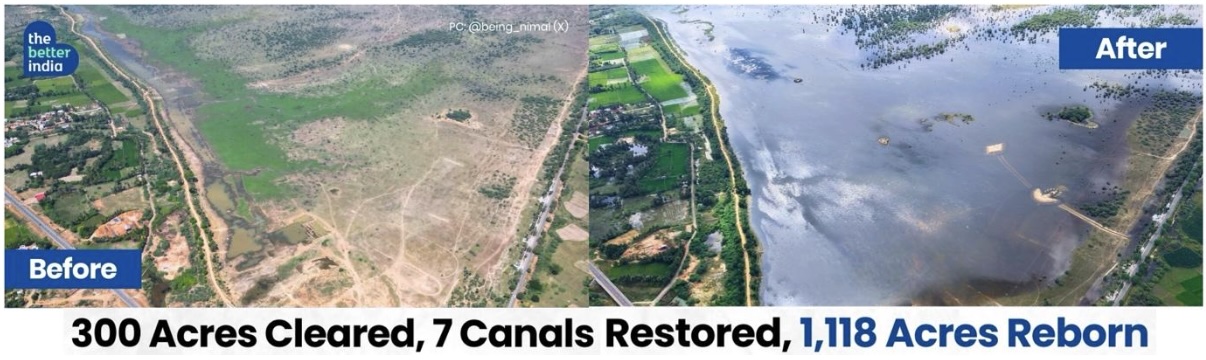
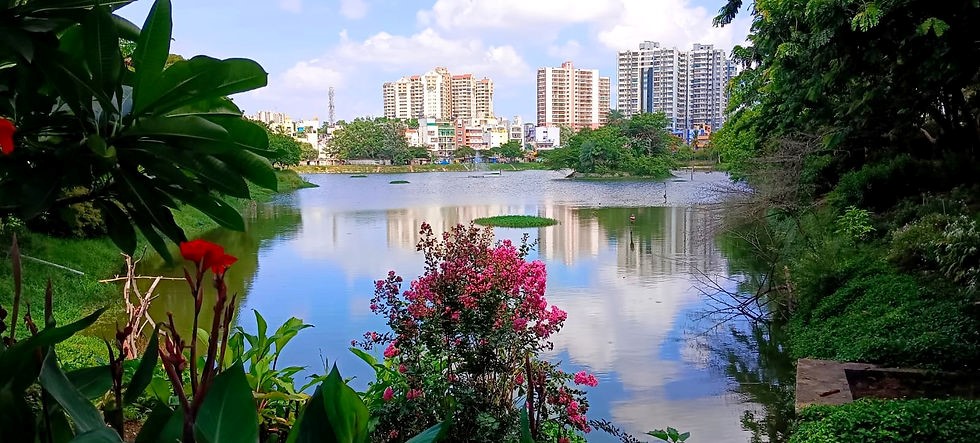
Puttenahalli Lake
(Picture credits: puttenahalli lake.in)
Their efforts culminated in the lake overflowing for the first time on July 27, 2016. Rajagopalan has consistently stressed the need to protect urban green and blue spaces, arguing that development should be planned rather than haphazard. She believes citizen groups become essential when governments lack manpower or initiative. PNLIT also campaigned against slum settlements near the lake, claiming untreated waste and dumping harmed water quality and biodiversity, and approached the High Court, Slum Board, BBMP, and BDA seeking relocation of these settlements.
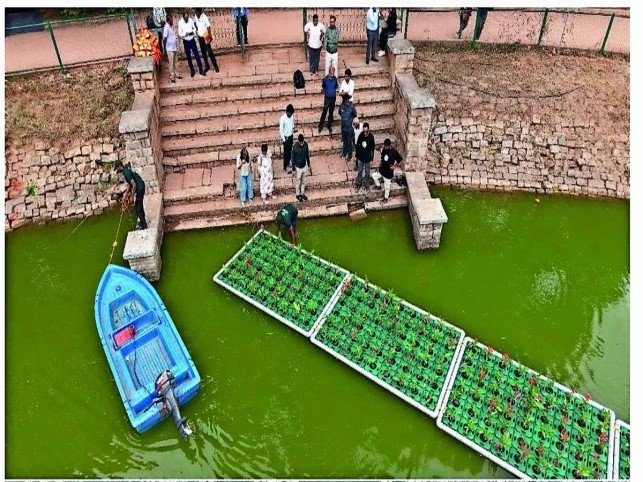
According to the trust’s official website, from July 2025 onward, PNLIT no longer directly maintains the lake due to BBMP directives, though the trust continues environmental and awareness activities. However their efforts and community based participation has inspired several other lake restoration groups of Bengaluru such as Lakes of Friends, Jalaposhan and more. Rajagopalan continues to be a champion for environmental advocacy and conservation and her philosophy isn’t just about preserving lakes but making them thrive. Under her leadership, PNLIT planted trees, built gardens, installed aerators, and created floating islands of biofilters. Today, Puttenahalli Lake isn’t just a water body—it’s a sanctuary.
References
- Bengaluru lakes can be maintained only with local community support, Citizen Matters, July 12, 2025, Bengaluru lakes can be maintained only with local community support: Usha Rajagopalan - Citizen Matters
- Puttenahalli Neighbourhood Lake Improvement Trust, Home Page WHAT WE DO | PNLIT
- Rejuvenating Puttenahalli Lake, 14 April 2024 https://www.deccanherald.com/india/karnataka/bengaluru/rejuvenating-puttenahalli-lake-2977724
- How residents came together 15 years ago to reclaim Puttenahalli Lake in Bengaluru, The Hindu, 29 June 2025, “How residents came together 15 years ago to reclaim Puttenahalli Lake in Bengaluru - The Hindu”
About the author
Ada Khan is an undergradaute student at the Department of Political Science, Public Policy, Media Studies, Mount Carmel College, Bengaluru