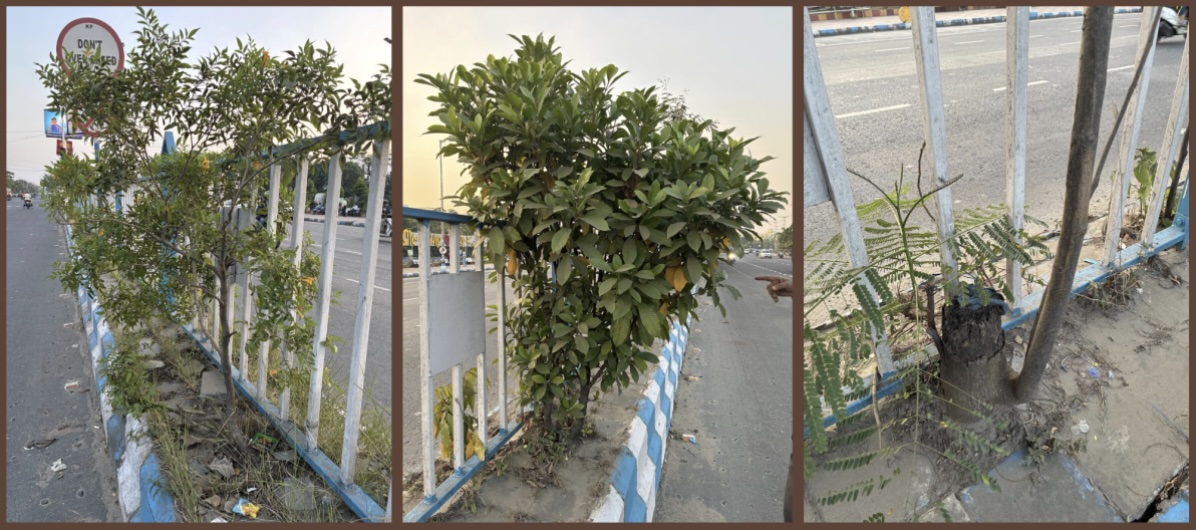
A group of tree lovers, mostly in their 70s and 80s now, has been passionately planting trees in a Kolkata locality, which now offers its own challenge to global warming. Kolkata has been listed as one of the 20 cities in the world most at risk from climate change.
The group, operating with minimal resources and no formal institutional backing, began planting trees decades ago as a response to the rapid loss of green cover in their neighbourhood. What started as a small community initiative gradually transformed the area into a leafy enclave that stands in stark contrast to the concrete surroundings typical of urban Kolkata.
Kolkata's vulnerability to climate change is well documented. The city sits on a low-lying delta, making it susceptible to flooding and sea-level rise. Rising temperatures, intensified by urban heat island effects, have made heat stress an increasing public health concern. Trees provide multiple adaptation co-benefits — shading, evaporative cooling, stormwater absorption, and air quality improvement — making urban greening a practical climate resilience strategy.
The initiative demonstrates the power of sustained civic action over institutional intervention. The elderly tree lovers have not only planted trees but have also monitored, watered, and protected them against vandalism and neglect — activities that require ongoing community commitment rather than one-time project funding.
Their work has inspired younger residents to join the effort, creating an intergenerational model of environmental stewardship. The neighbourhood has become something of a local attraction, drawing visitors who come to experience the unusual density of tree cover in an urban setting.
The story carries a broader lesson about urban climate adaptation: that meaningful resilience can be built through distributed, community-led action, without waiting for large-scale government programmes. In cities like Kolkata, where climate risks are acute and institutional capacity is stretched, citizen-led initiatives like this one are not supplementary — they are foundational.
← Back to Stories
How Tree Lovers Rescued a Kolkata Neighbourhood
The Lakeika of India
Read more →
The Lake Man of India
Read more →
Every forest needs a Bengalata
Read more →
The Spring Keepers of Uttarakhand
Read more →

The Voice of Garhwal at 90.8 FM
Read more →
Coping with Climate Change in Coastal India
Read more →
Climate Change and Community Responses in Coastal India
Read more →
The HEAL Movement
Read more →
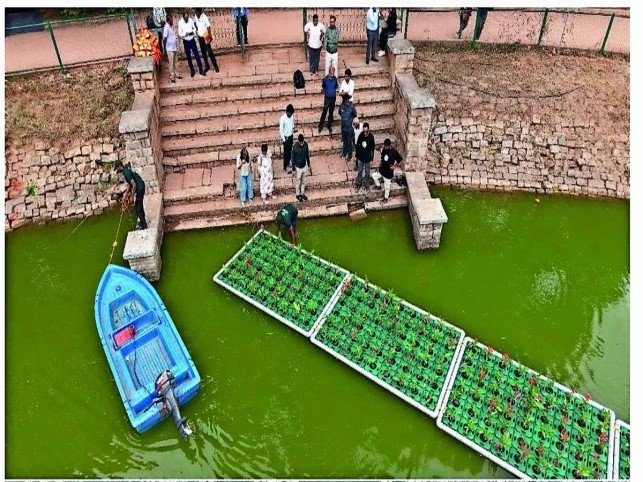
India: Engineer Gurunandan Rao's science-led effort to revive Bengaluru's Lalbagh Lake
Read more →
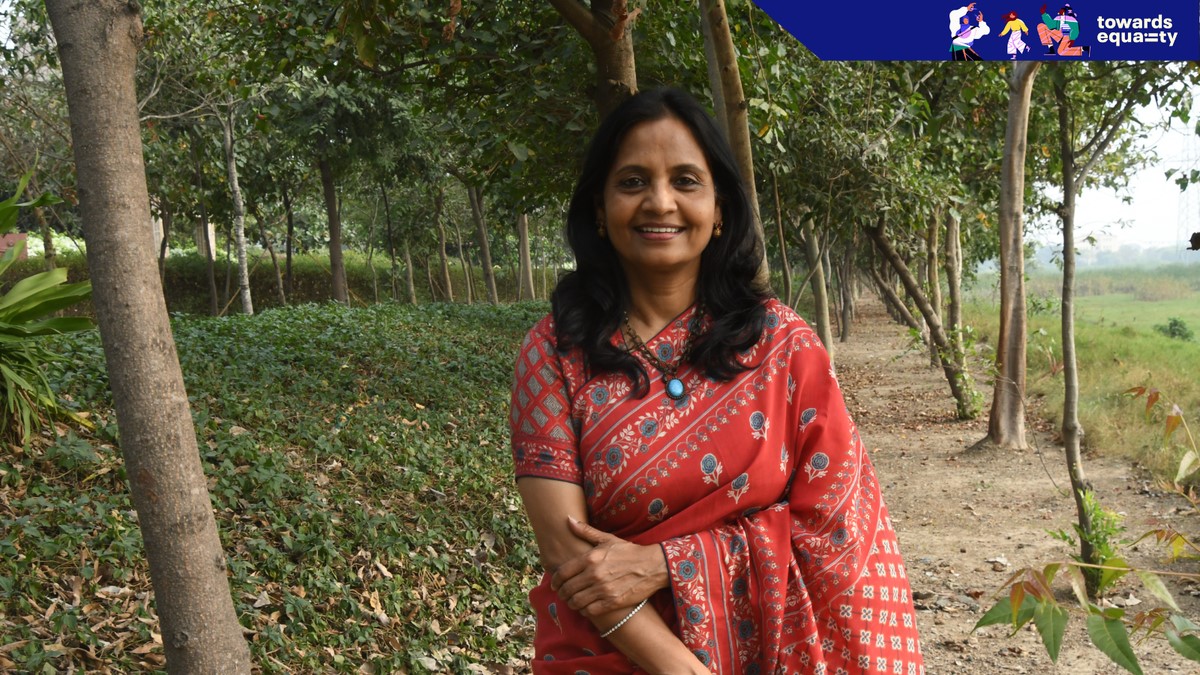
India: Supriya Sahu highlights Tamil Nadu's expansion of reserved forests to strengthen climate resilience
Read more →
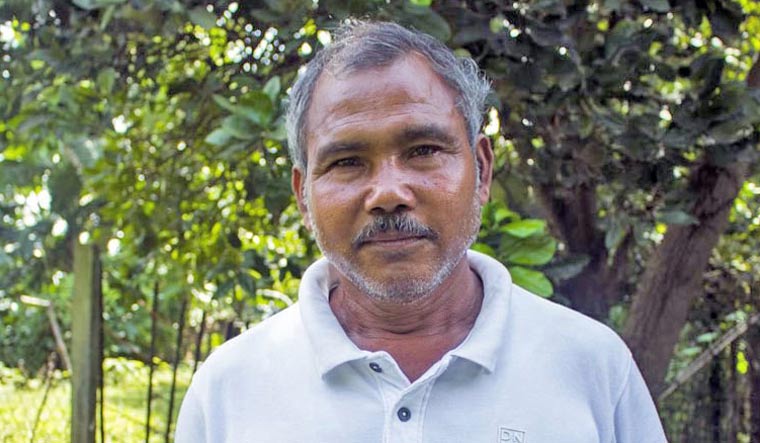
Jadav Payeng, often called the "Forest Man of India," spent roughly four decades planting trees on a barren sandbar along the Brahmaputra River in Assam
Read more →
They Called Her "Just A Maami In A Saree". She Proved She Was A Force Of Nature
Read more →

How a Kolkata Neighborhood Saved its 70-Year-Old Tamarind Tree through Cultural Resistance
Read more →
How Tree Lovers Rescued a Kolkata Neighbourhood
You are here

The Indian Public Servant Helping Disadvantaged Communities Adapt To Rising Heat
Read more →
Meet the Lake Man Reviving 1000+ Drought-Hit South Indian Villages
Read more →
37 Villages Resolve To Protect Ntangki National Park At Athibung Consultation
Read more →
How Women Farmers in the Sundarban Are Reviving Indigenous Rice Varieties
Read more →