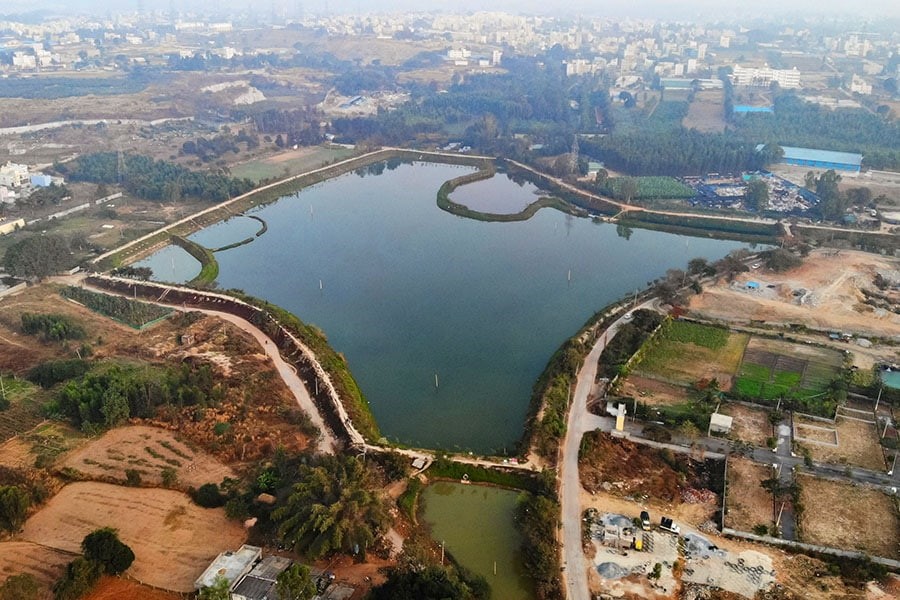
A video shared by The Better India highlights the work of Gurunandan Rao, a mechanical engineer and Founder of HandsOn Foundation, who played a key role in restoring "Lalbagh Lake" using science-led, nature-first methods. The restoration project demonstrates how citizen-led initiatives combined with technical expertise can revive urban water bodies that have been degraded by encroachment, pollution, and neglect.
Lalbagh Lake, located within the historic Lalbagh Botanical Garden in Bengaluru, had suffered from declining water quality, invasive weed growth, and reduced ecological function. Rao's intervention focused on systematic desilting, removal of invasive species, and the reintroduction of native aquatic plants to restore natural filtration processes. The approach prioritised ecological restoration over cosmetic improvements, aiming to rebuild the lake's capacity to support biodiversity and regulate local microclimate.
The HandsOn Foundation's methodology drew on scientific assessment of water quality parameters, sediment analysis, and biodiversity surveys before and after intervention. By documenting measurable improvements, the project established a replicable model for lake restoration that other citizen groups and urban local bodies could adapt. Bengaluru has over 200 lakes, many of which face similar pressures from urbanisation, sewage inflow, and solid waste dumping.
Urban lakes in Indian cities play a critical role in groundwater recharge, flood moderation, and urban cooling. As climate change intensifies heat island effects and disrupts rainfall patterns, the ecological and climate-regulatory functions of urban water bodies become increasingly important. Restoring lakes like Lalbagh contributes to building city-level resilience against extreme heat and erratic monsoon patterns.
Rao's work has inspired broader community engagement with lake conservation in Bengaluru, mobilising volunteers, school students, and corporate groups to participate in restoration and monitoring activities. The initiative reflects a growing civic movement in Indian cities where residents are taking direct responsibility for ecological assets that public institutions have struggled to protect.
← Back to Stories
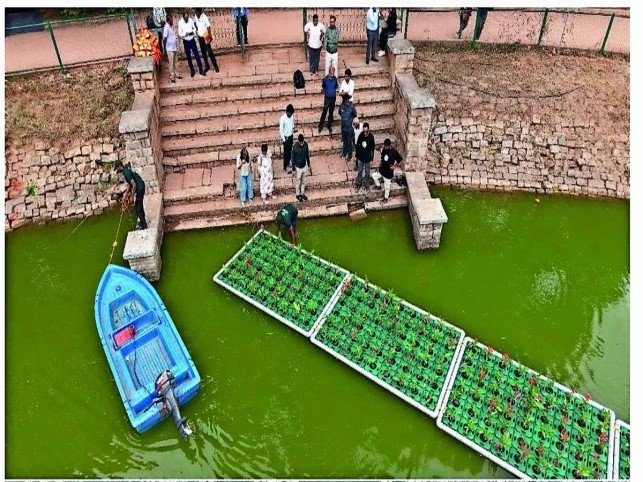
India: Engineer Gurunandan Rao's science-led effort to revive Bengaluru's Lalbagh Lake
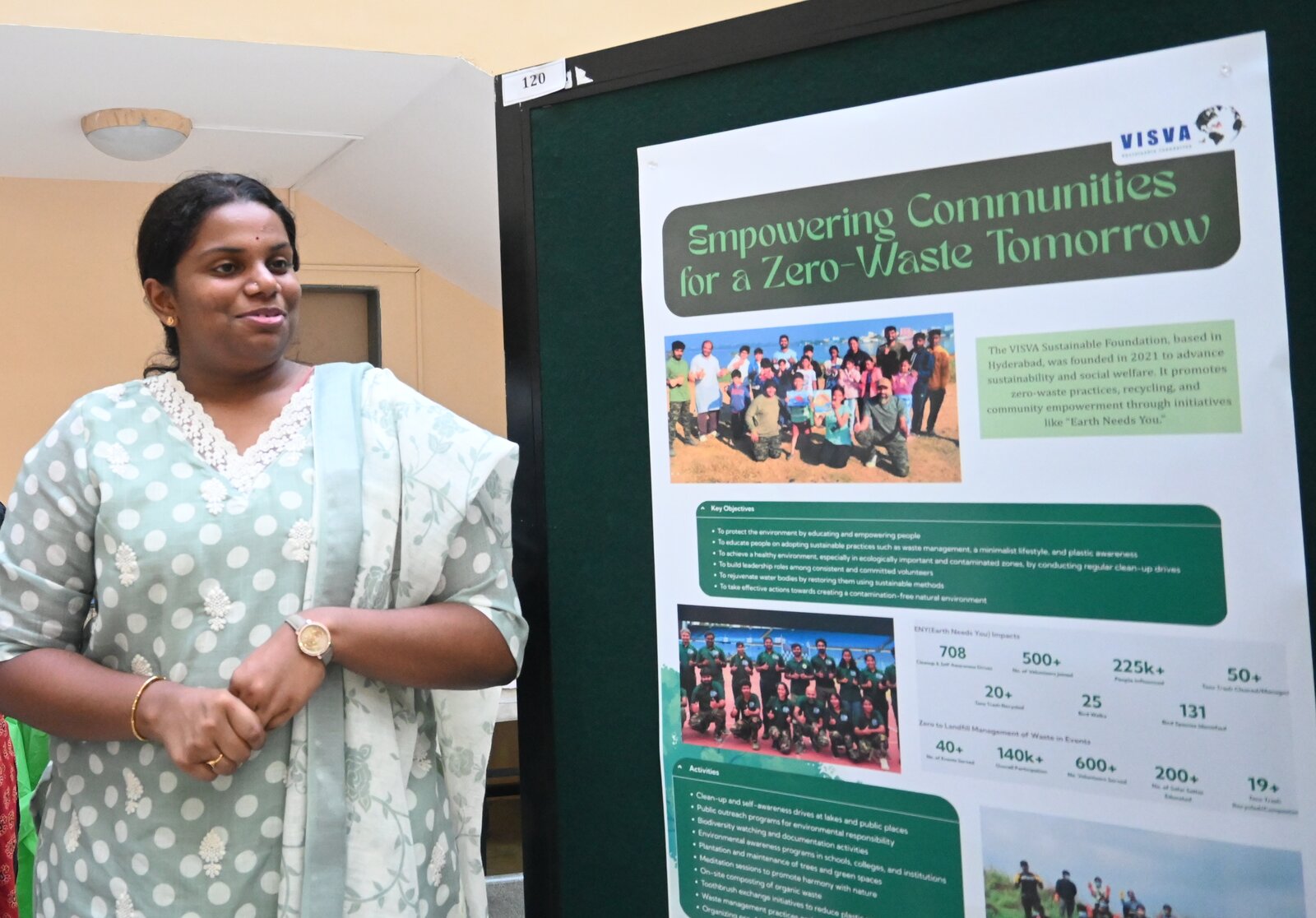
Empowering Communities for a Zero-Waste Tomorrow
Read more →

From Vulnerability to Resilience: A Climate Adaptation Journey
Read more →

Hulimavu's Blue Revolution
Read more →

Climate Justice from the Ground Up
Read more →
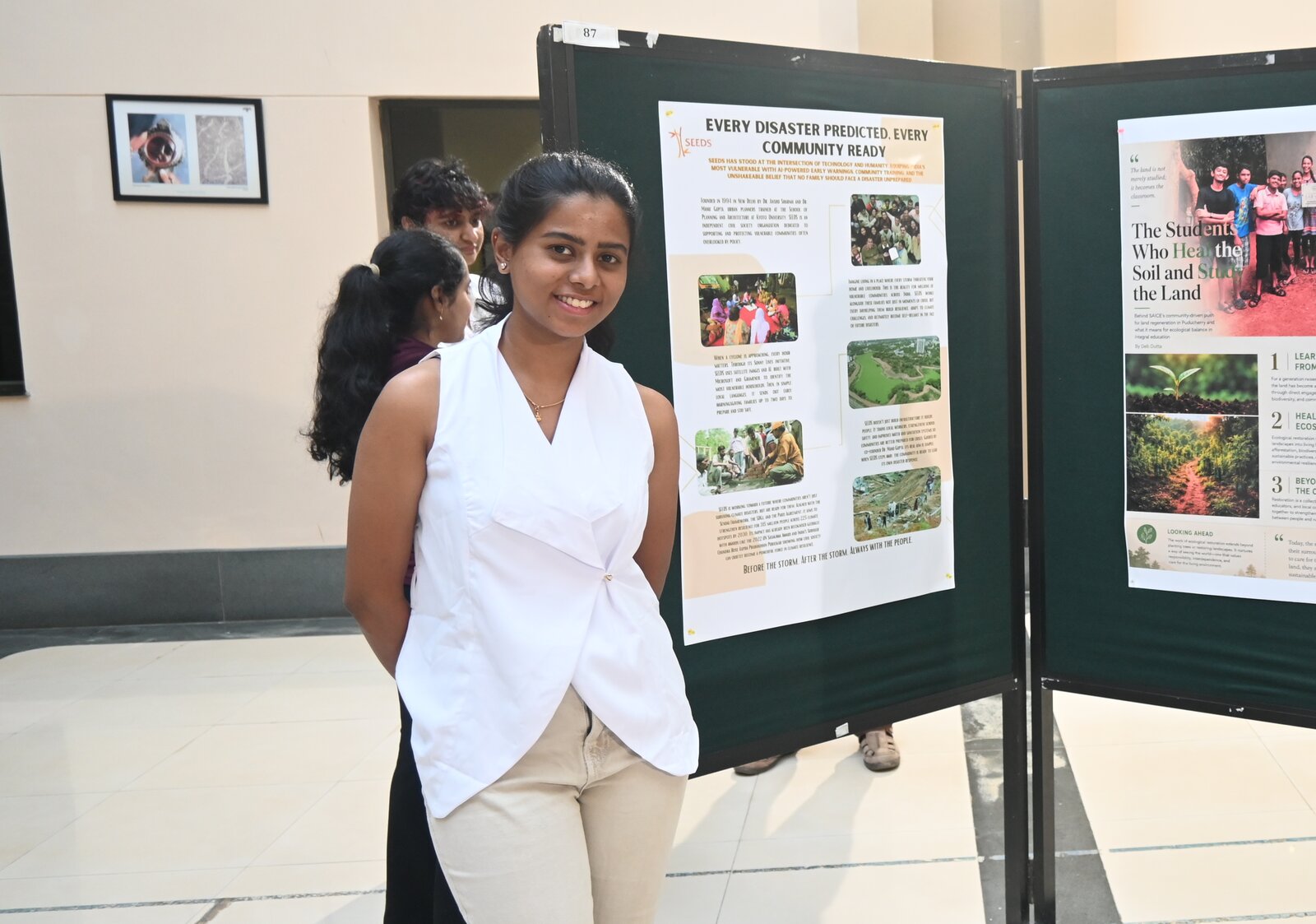
Every Disaster Predicted, Every Community Ready
Read more →
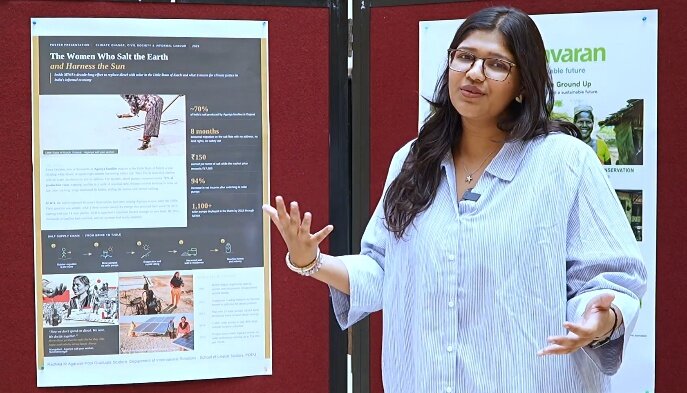
The Women Who Salt the Earth and Harness the Sun
Read more →

Guardians in Green
Read more →

Voices for a Changing Climate
Read more →
Friends of Lakes
Read more →
The Climate Classroom
Read more →

The Seeds of Change
Read more →
The Students Who Heal the Soil and Study the Land
Read more →
Roots, Rain & Renewal
Read more →

The Forests That Refused to Fall
Read more →

The Forest She Built
Read more →
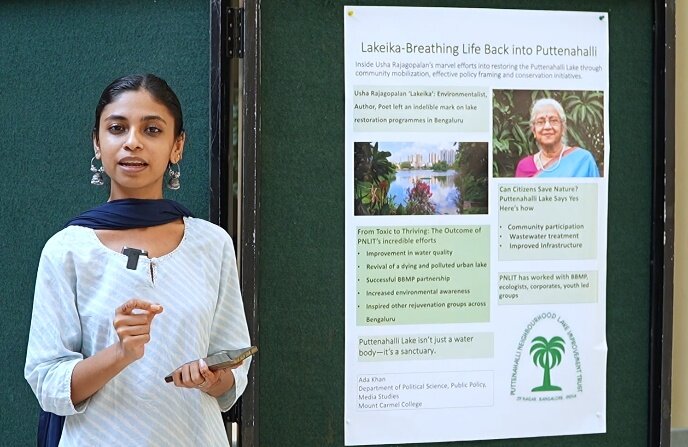
Lakeika: Breathing Life Back into Puttenahalli
Read more →
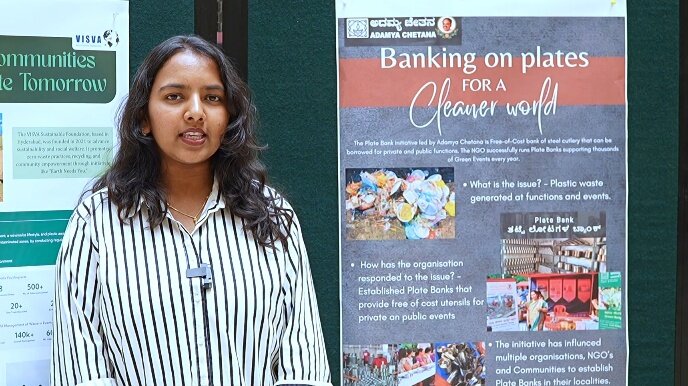
Banking on Plates for a Clean World
Read more →
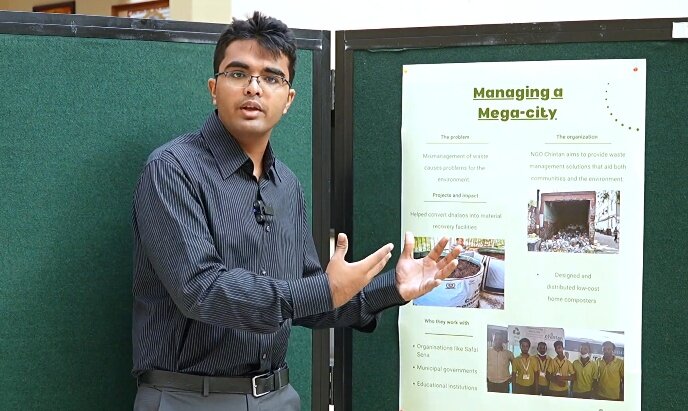
Chintan Environmental Research and Action Group
Read more →
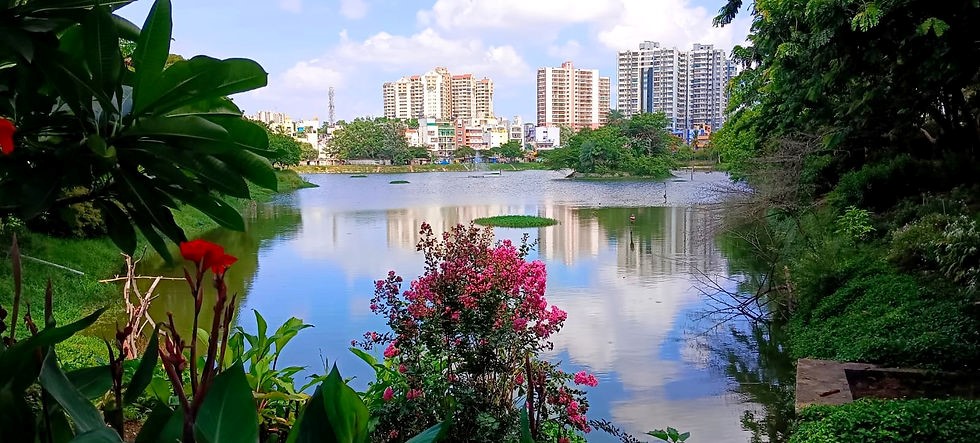
The Lakeika of India
Read more →
The Lake Man of India
Read more →
Every forest needs a Bengalata
Read more →
The Spring Keepers of Uttarakhand
Read more →
The Voice of Garhwal at 90.8 FM
Read more →
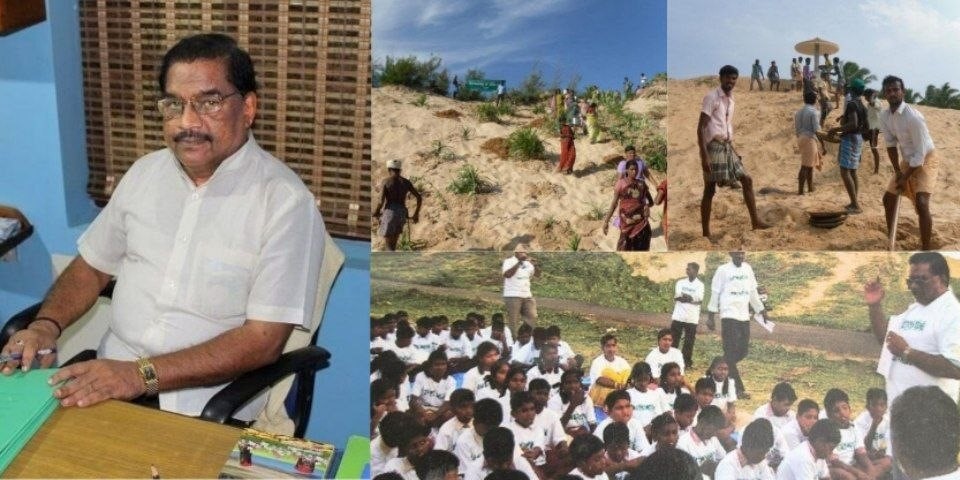
The HEAL Movement
Read more →
India: Engineer Gurunandan Rao's science-led effort to revive Bengaluru's Lalbagh Lake
You are here
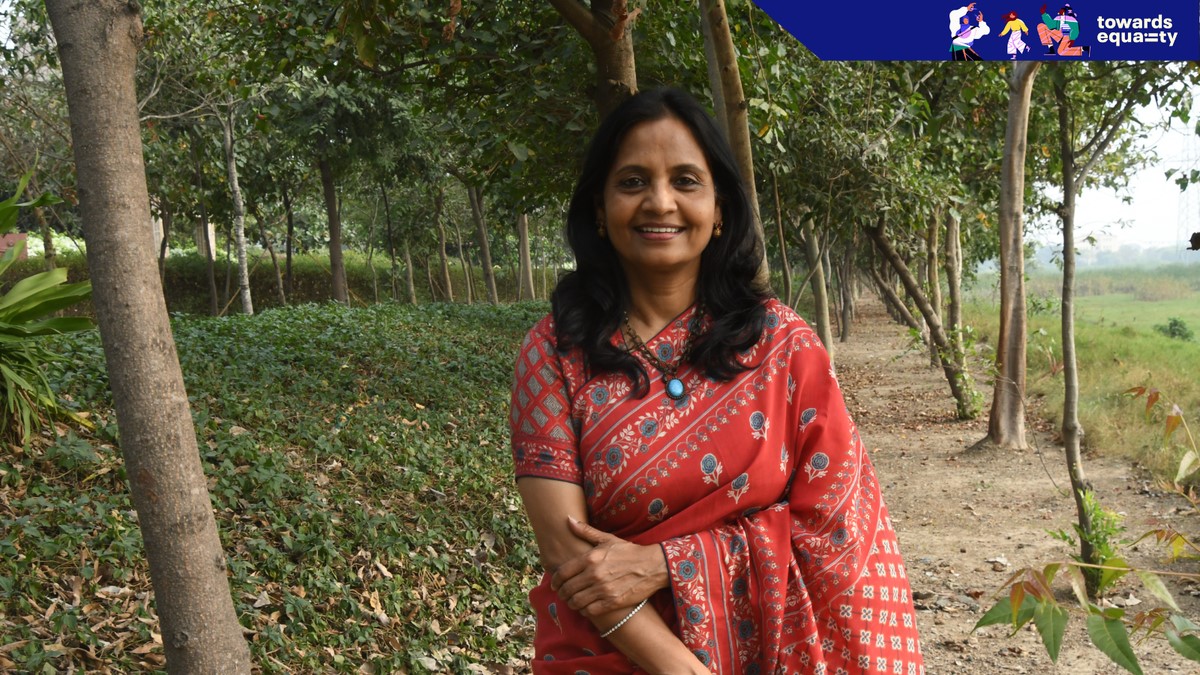
India: Supriya Sahu highlights Tamil Nadu's expansion of reserved forests to strengthen climate resilience
Read more →
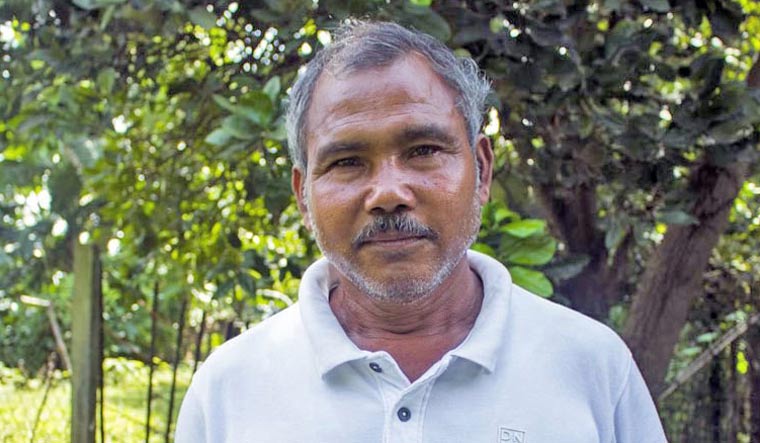
Jadav Payeng, often called the "Forest Man of India," spent roughly four decades planting trees on a barren sandbar along the Brahmaputra River in Assam
Read more →
They Called Her "Just A Maami In A Saree". She Proved She Was A Force Of Nature
Read more →

How a Kolkata Neighborhood Saved its 70-Year-Old Tamarind Tree through Cultural Resistance
Read more →
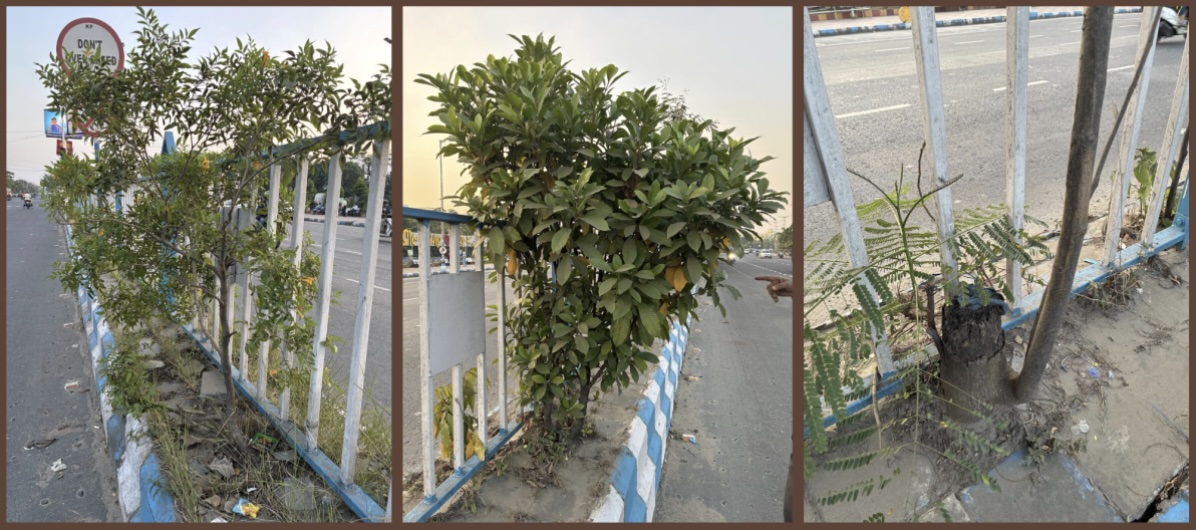
How Tree Lovers Rescued a Kolkata Neighbourhood
Read more →

The Indian Public Servant Helping Disadvantaged Communities Adapt To Rising Heat
Read more →
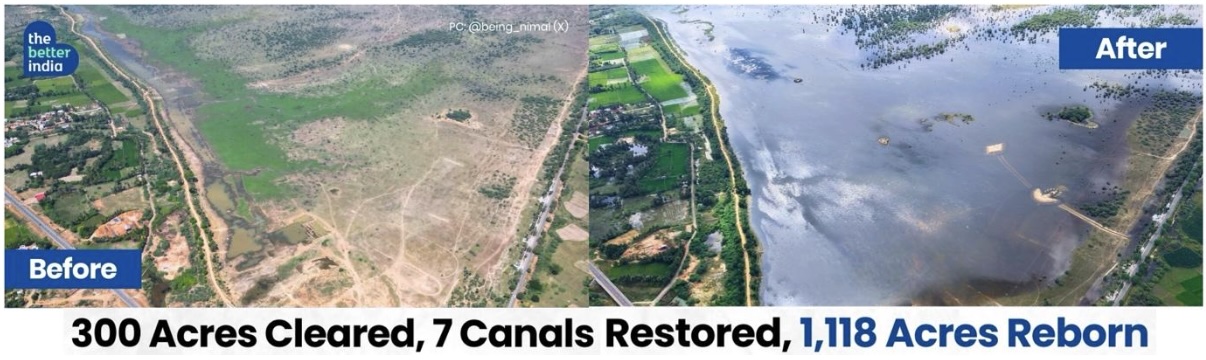
Meet the Lake Man Reviving 1000+ Drought-Hit South Indian Villages
Read more →
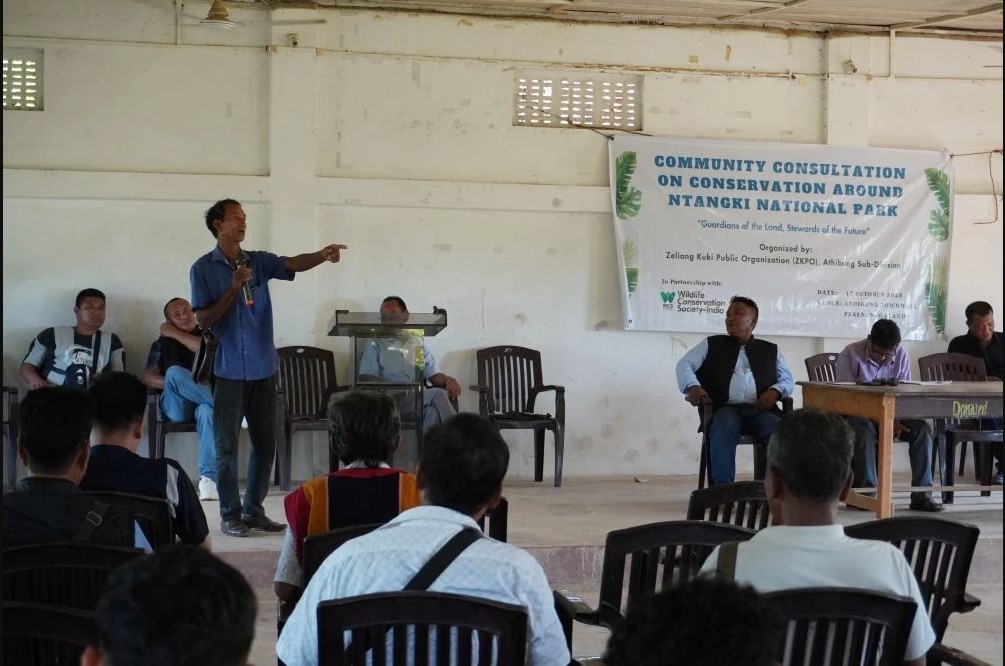
37 Villages Resolve To Protect Ntangki National Park At Athibung Consultation
Read more →
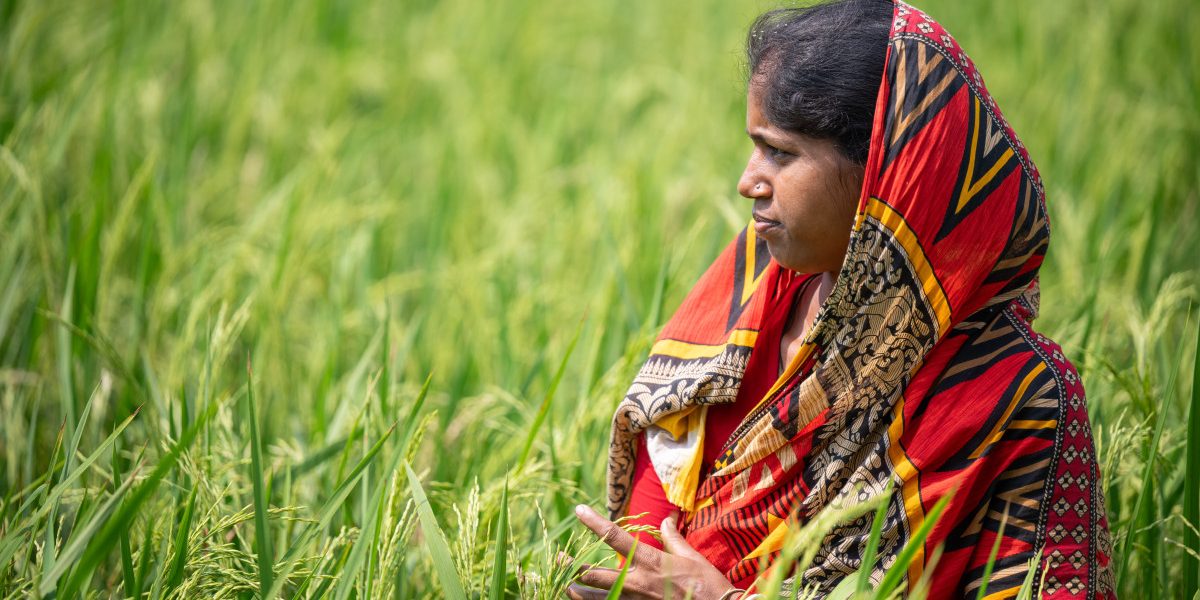
How Women Farmers in the Sundarban Are Reviving Indigenous Rice Varieties
Read more →