Jadav Payeng, often called the "Forest Man of India," spent roughly four decades planting trees on a barren sandbar along the Brahmaputra River in Assam. What began as a personal effort to restore damaged land grew into a 1,300-acre forest now known as Molai Forest — named after Payeng himself.
Payeng began planting trees as a teenager in 1979, motivated by the sight of snakes dying on the hot, barren sandbar of Majuli island after floods. With no institutional support or financial backing, he worked alone for years, planting bamboo and other native species, carrying water to saplings, and creating conditions for natural forest succession. Over time, the forest expanded to support a remarkable diversity of wildlife, including elephants, tigers, rhinoceroses, deer, and numerous bird species.
Molai Forest stands as one of the most compelling examples of individual-driven ecological restoration in the world. It demonstrates that degraded land, even in climatically vulnerable flood-prone areas, can be restored through sustained effort and ecological knowledge. The forest now plays a functional role in stabilising the riverbank, reducing soil erosion, and providing habitat connectivity in a fragmented landscape.
Payeng's story has gained international attention and has been the subject of documentaries, academic studies, and policy discussions on community-based conservation. He has received numerous awards, including the Padma Shri in 2015. His work challenges assumptions about the scale and resources needed for effective ecological restoration, showing that individual commitment, sustained over decades, can transform landscapes.
In the context of climate change, Molai Forest represents a nature-based solution to multiple environmental challenges simultaneously — carbon sequestration, biodiversity conservation, flood risk reduction, and soil stabilisation. The forest also provides livelihoods for local communities through ecotourism and ecosystem services.
Payeng's decades of work offer a powerful counter-narrative to ecological despair, demonstrating that restoration is possible even in severely degraded environments, and that grassroots action can achieve outcomes at a scale that rivals formal conservation programmes.
← Back to Stories
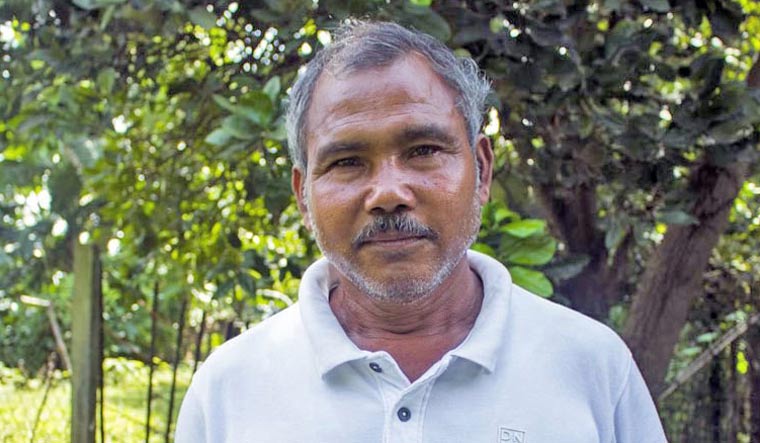
Jadav Payeng, often called the "Forest Man of India," spent roughly four decades planting trees on a barren sandbar along the Brahmaputra River in Assam
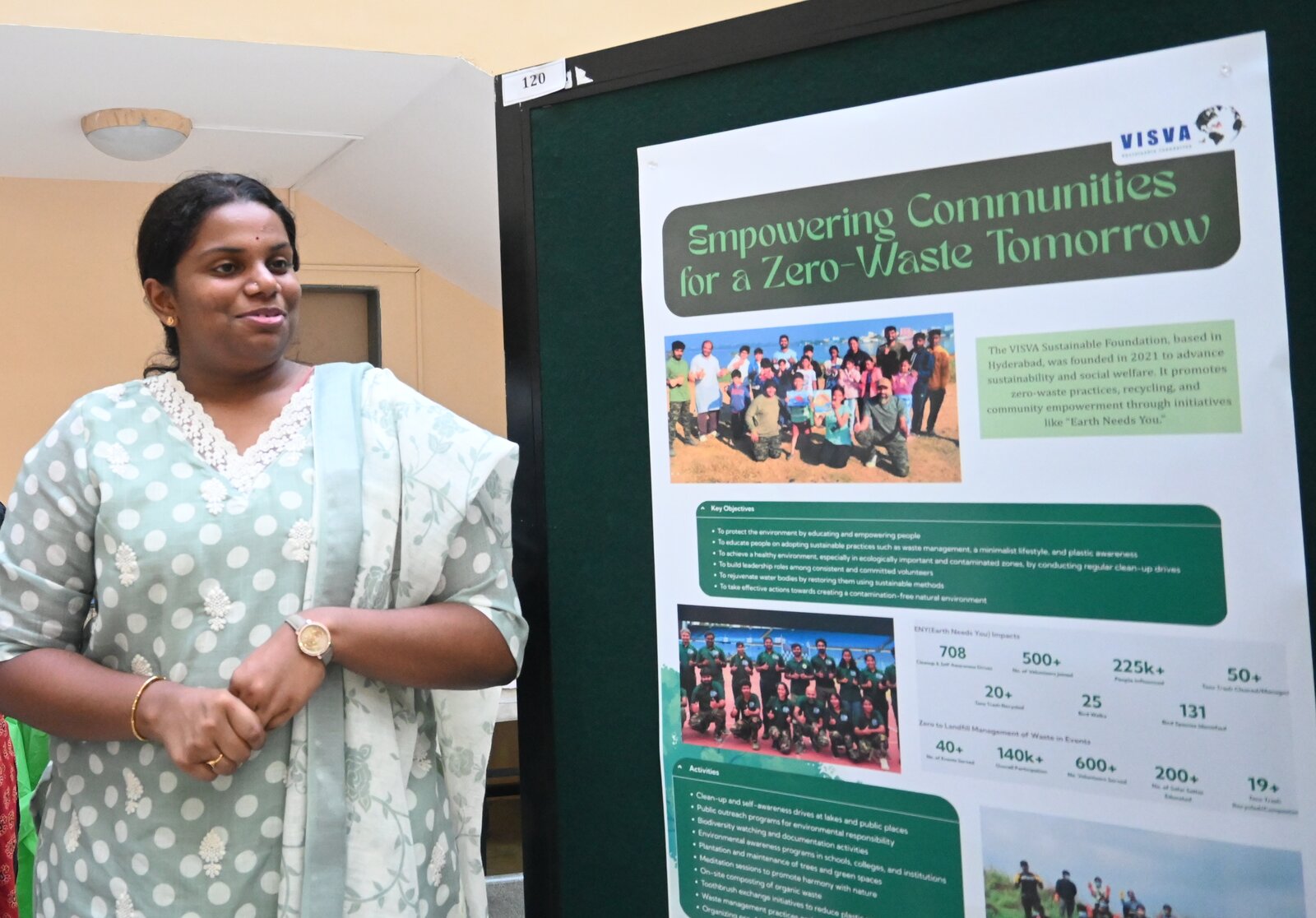
Empowering Communities for a Zero-Waste Tomorrow
Read more →

From Vulnerability to Resilience: A Climate Adaptation Journey
Read more →

Hulimavu's Blue Revolution
Read more →

Climate Justice from the Ground Up
Read more →
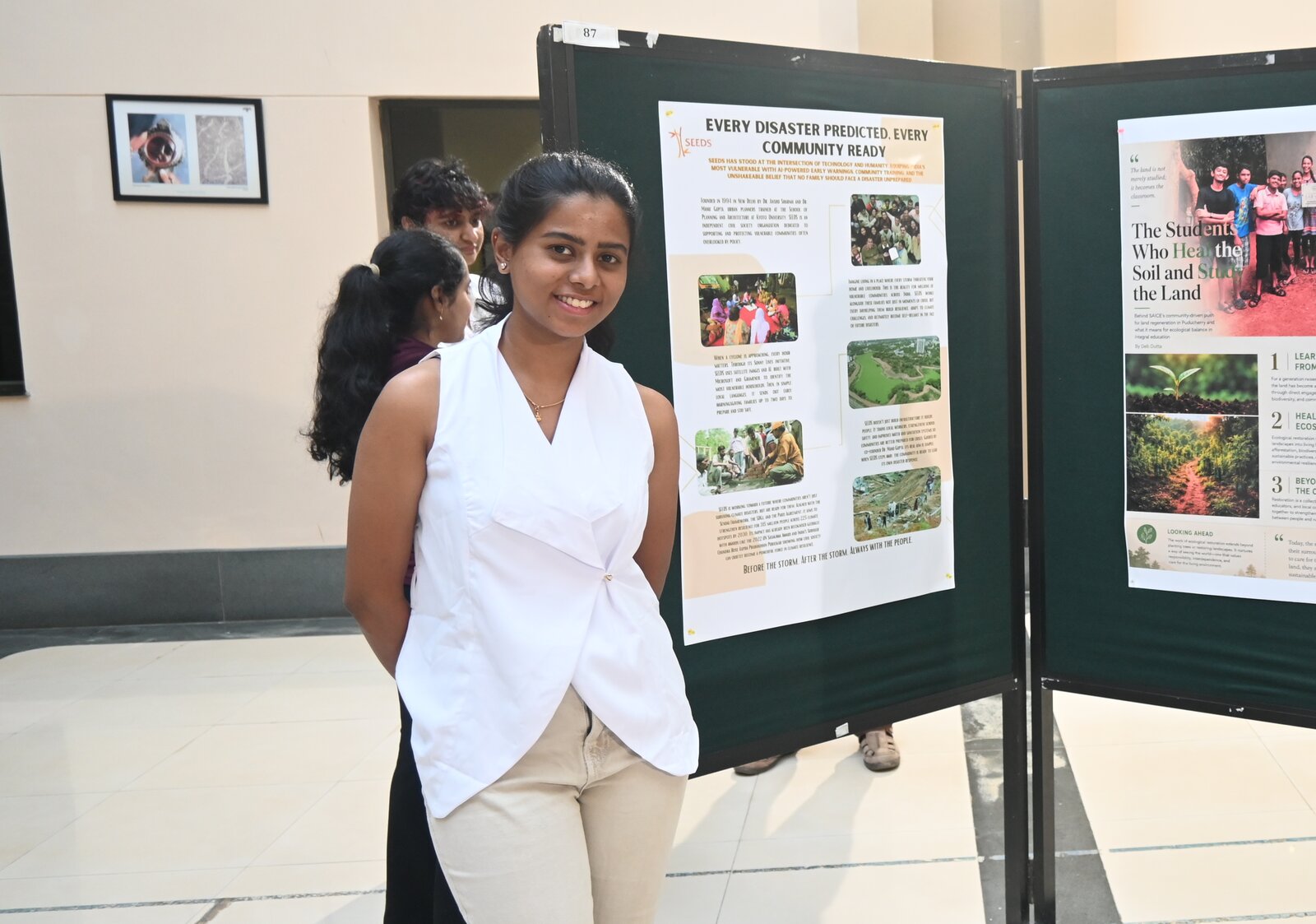
Every Disaster Predicted, Every Community Ready
Read more →
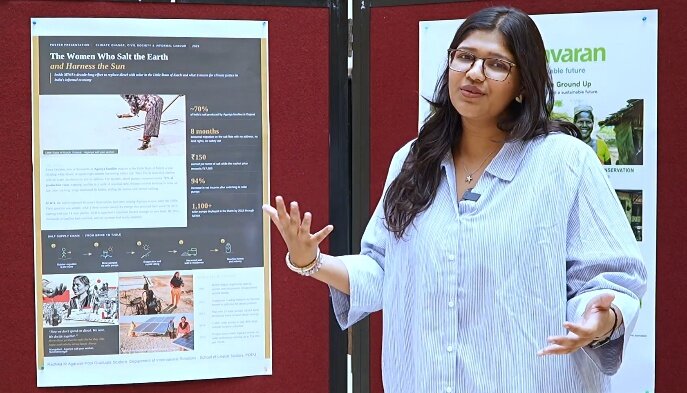
The Women Who Salt the Earth and Harness the Sun
Read more →

Guardians in Green
Read more →

Voices for a Changing Climate
Read more →
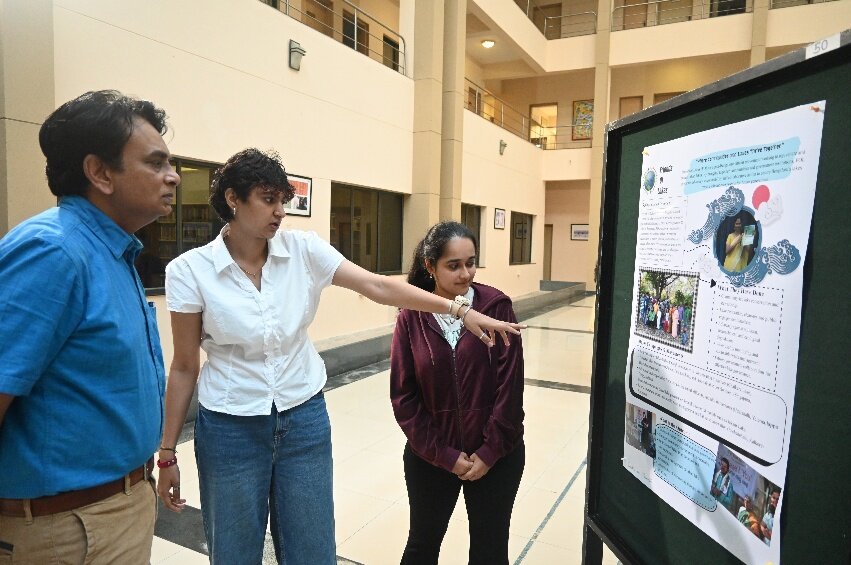
Friends of Lakes
Read more →
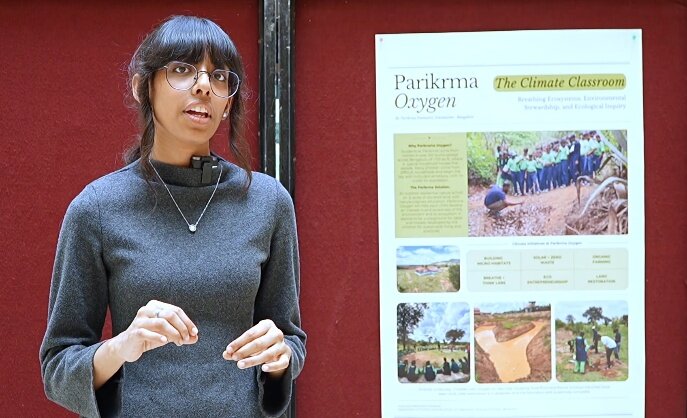
The Climate Classroom
Read more →

The Seeds of Change
Read more →
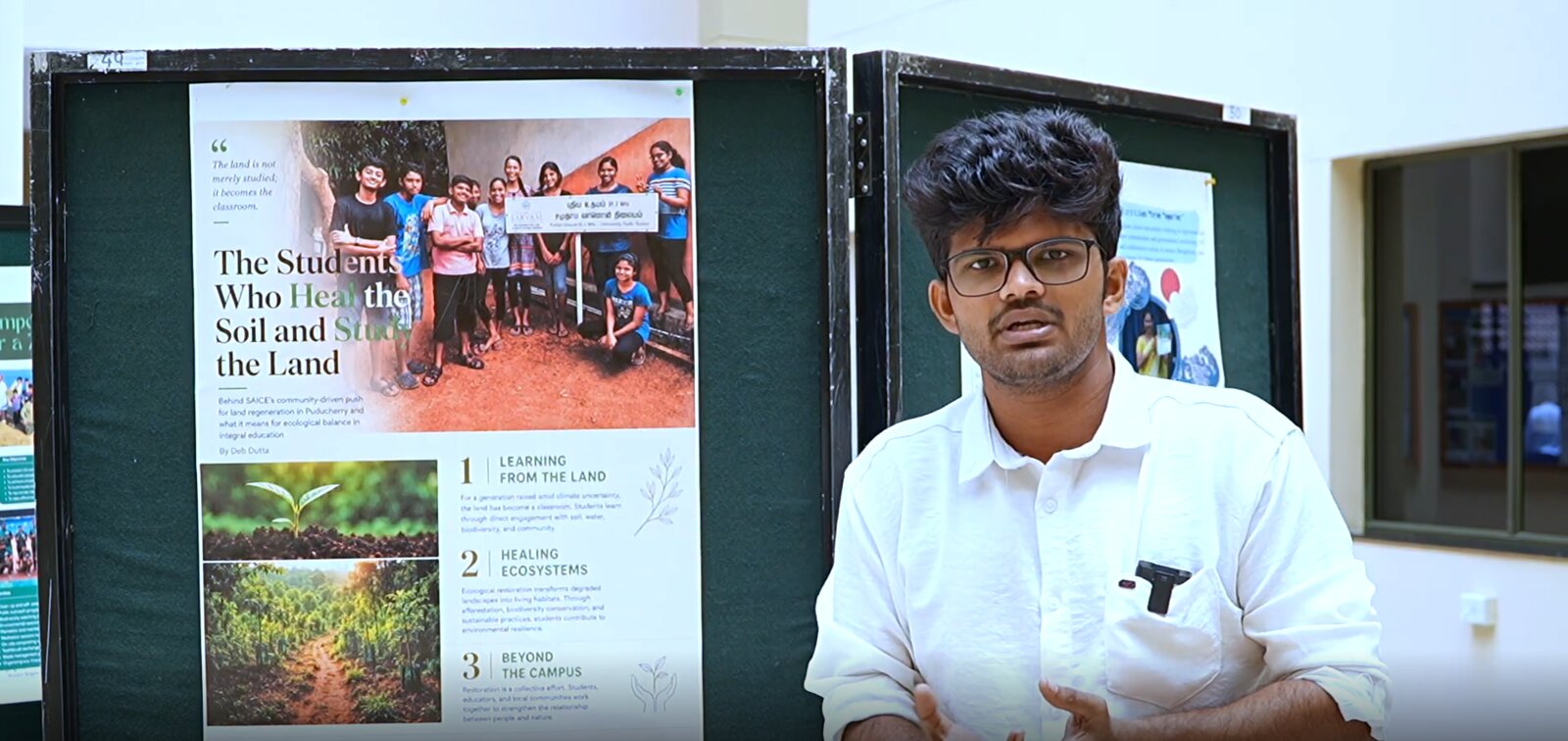
The Students Who Heal the Soil and Study the Land
Read more →
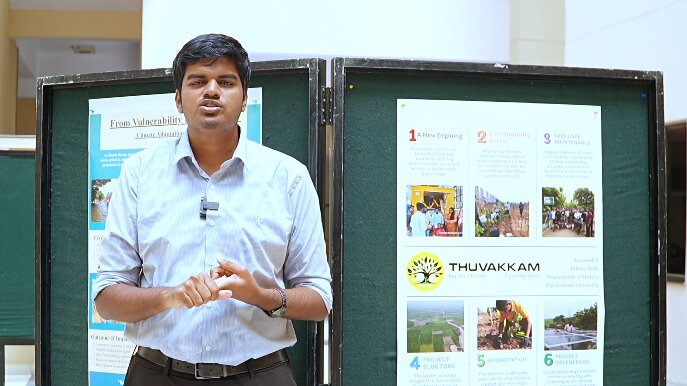
Roots, Rain & Renewal
Read more →

The Forests That Refused to Fall
Read more →

The Forest She Built
Read more →
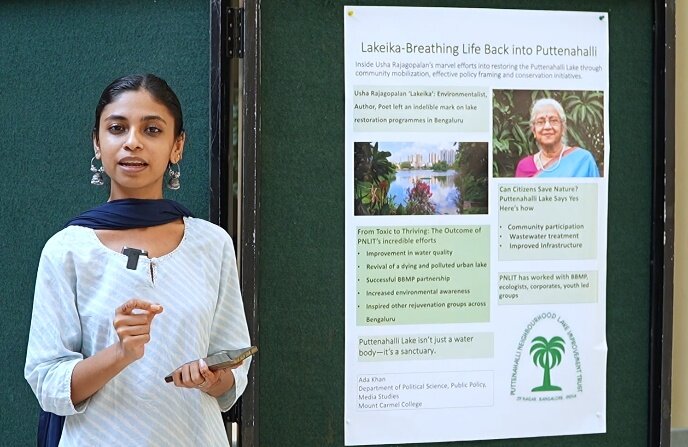
Lakeika: Breathing Life Back into Puttenahalli
Read more →
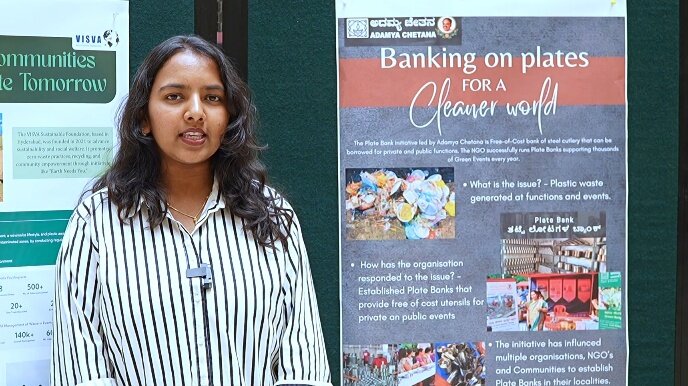
Banking on Plates for a Clean World
Read more →
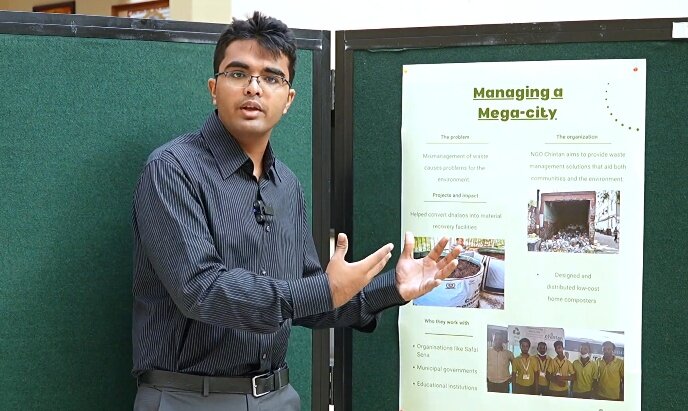
Chintan Environmental Research and Action Group
Read more →
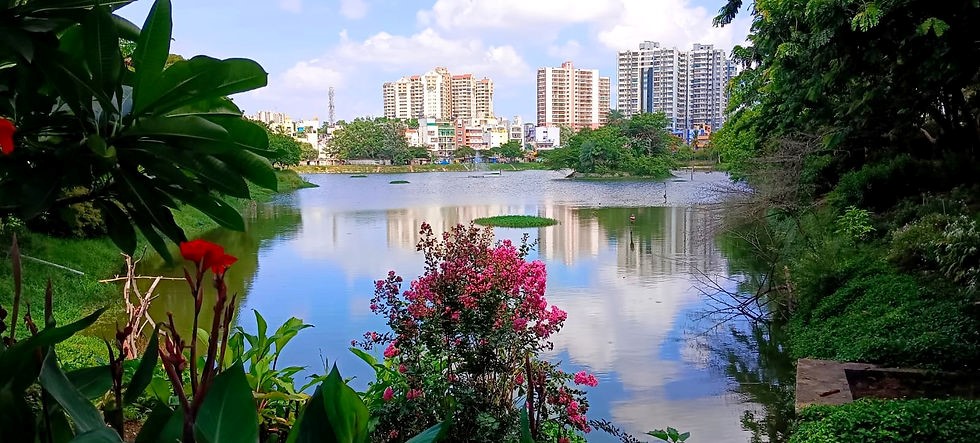
The Lakeika of India
Read more →
The Lake Man of India
Read more →
Every forest needs a Bengalata
Read more →
The Spring Keepers of Uttarakhand
Read more →

The Voice of Garhwal at 90.8 FM
Read more →
The HEAL Movement
Read more →
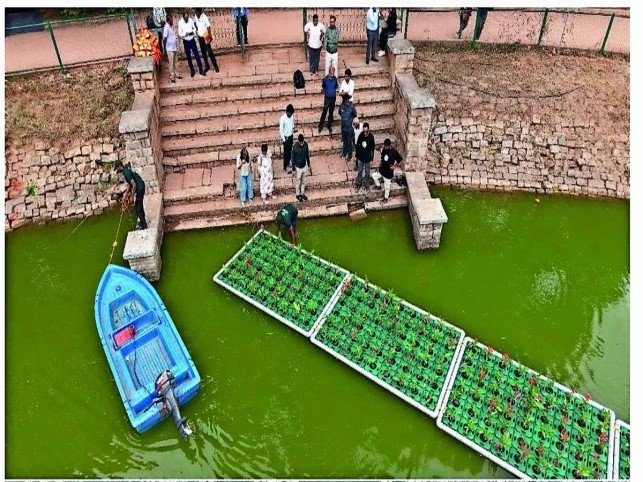
India: Engineer Gurunandan Rao's science-led effort to revive Bengaluru's Lalbagh Lake
Read more →
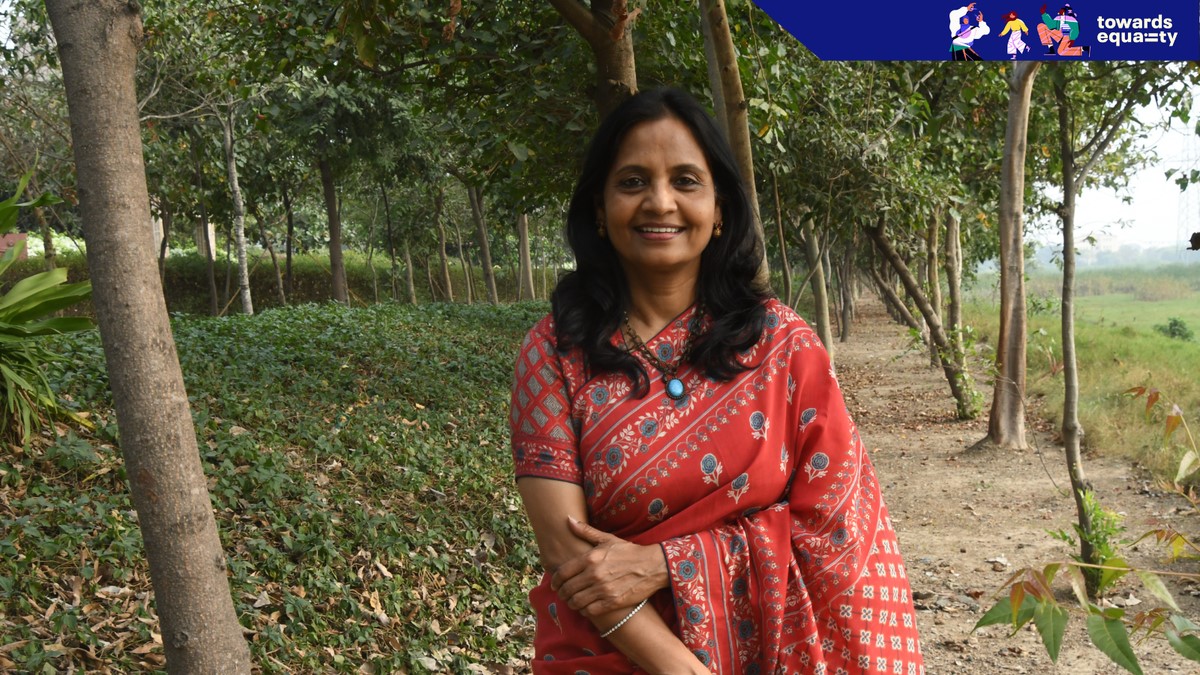
India: Supriya Sahu highlights Tamil Nadu's expansion of reserved forests to strengthen climate resilience
Read more →
Jadav Payeng, often called the "Forest Man of India," spent roughly four decades planting trees on a barren sandbar along the Brahmaputra River in Assam
You are here
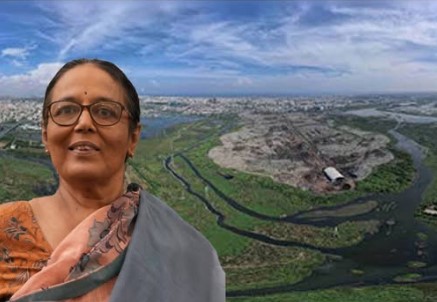
They Called Her "Just A Maami In A Saree". She Proved She Was A Force Of Nature
Read more →

How a Kolkata Neighborhood Saved its 70-Year-Old Tamarind Tree through Cultural Resistance
Read more →
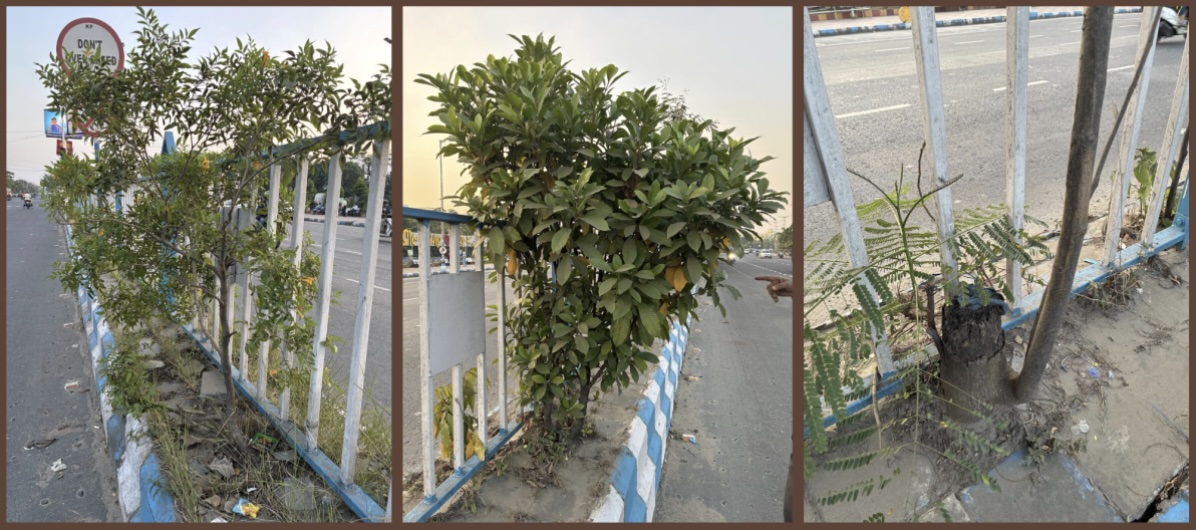
How Tree Lovers Rescued a Kolkata Neighbourhood
Read more →

The Indian Public Servant Helping Disadvantaged Communities Adapt To Rising Heat
Read more →
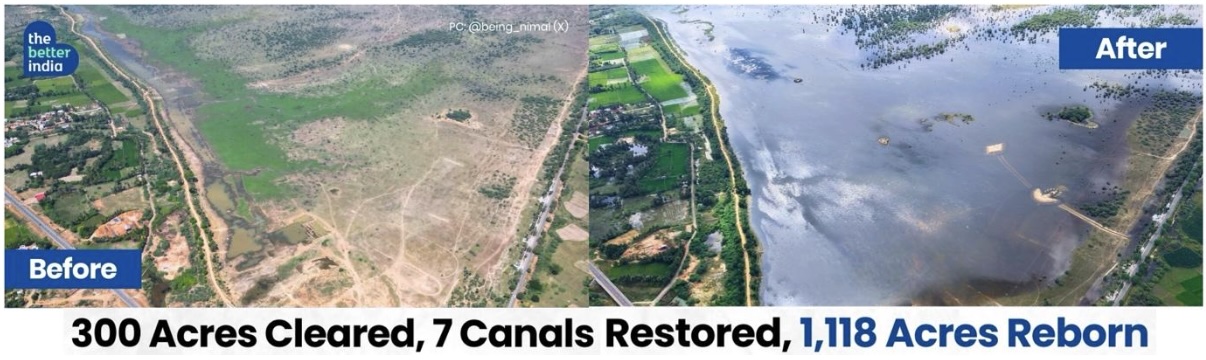
Meet the Lake Man Reviving 1000+ Drought-Hit South Indian Villages
Read more →
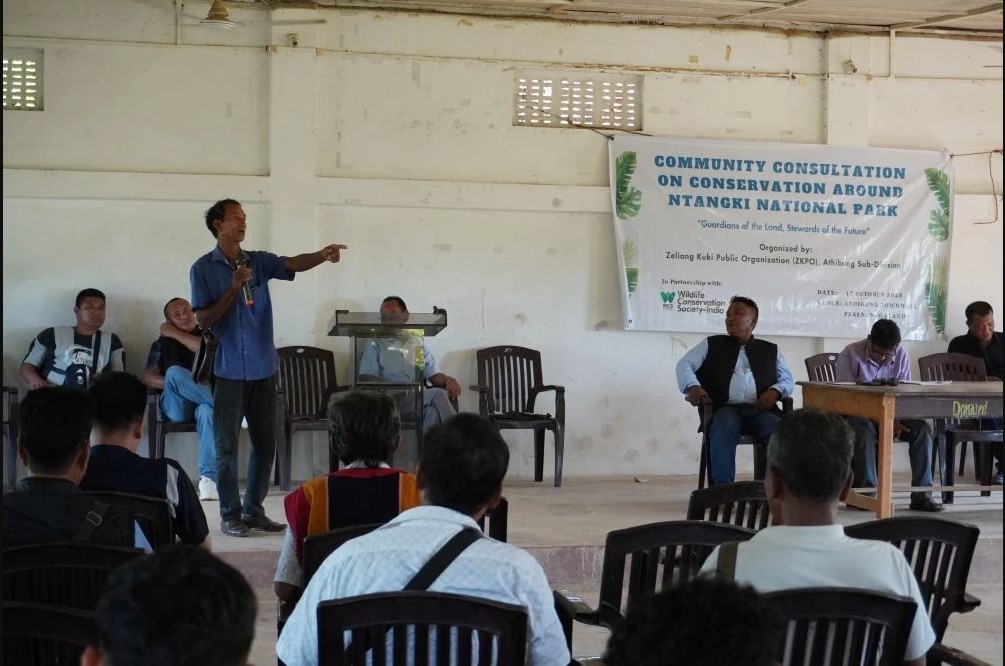
37 Villages Resolve To Protect Ntangki National Park At Athibung Consultation
Read more →
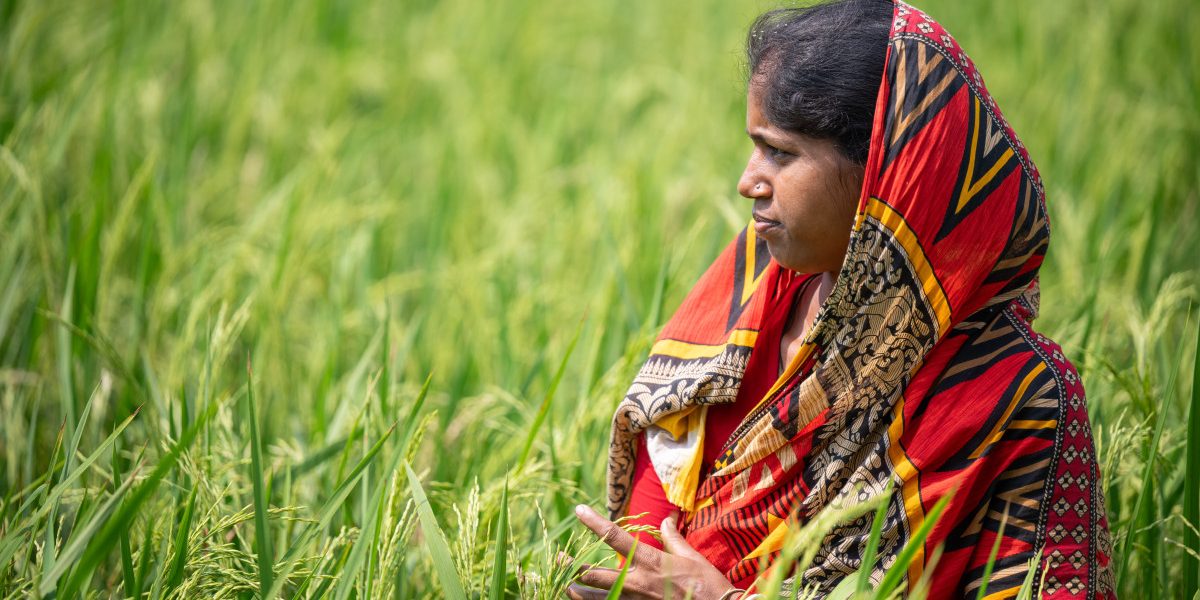
How Women Farmers in the Sundarban Are Reviving Indigenous Rice Varieties
Read more →