"In the mountain valleys of Garhwal region, Uttarakhand, where rivers roar and landslides strike where disasters comes without warning, a small radio station became the difference between life and death. This is the story of the people who stayed on air, no matter what."
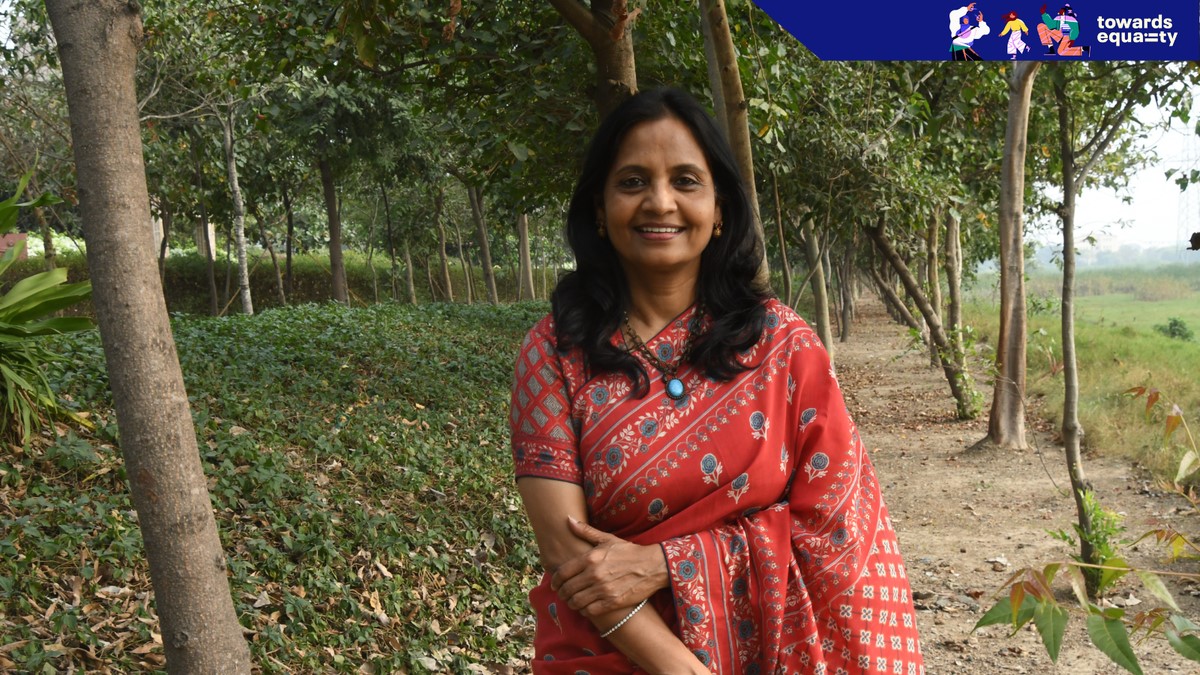
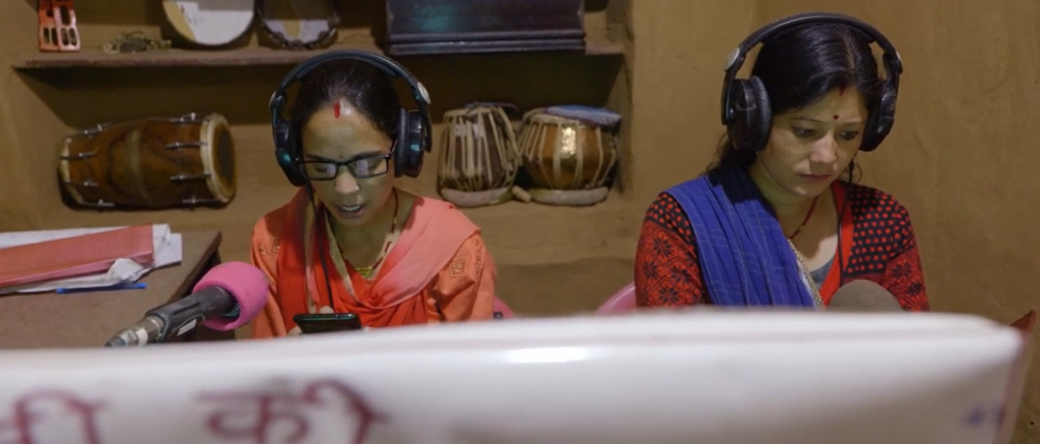
Poonam Rawat the voice that reaches five districts, in the Indian state of Uttarakhand in the Garhwal region. Poonam, who finds herself as an introvert has an audience of nearly 3.5 lakh. “Mandakini Ki Awaz” a community radio station in Sena Gadsari village in Rudraprayag district, began operating in 2014 after the 2013 Kedarnath flash flood which took life of 5000+ people. Recalling the challenges in disseminating information, messages lack of connectivity during the disaster. Poonam (Communication head and one of the leading radio jockeys at station) felt that last mile communication infrastructure would have saved several lives during the calamity. The station is supported by a Bangalore based organisation People’s Power Collective (PPC) and managed by the community. It produces programs on all issues concerning community especially extreme weather related information like hailstorms, rainfall, landslides and most important forest fires.
The station is named “Mandakini Ki Awaz” after the Mandakini River which flows nearby. Through the program Poonam and her team sensitise pre, during and after disaster. Since the 1970s the frequency and intensity of flood related accidents like landslide have increased 4 times. Radio station act as link between the communities and government in enhancing disaster preparedness like when heavy rainfall is predicted, they advise the listeners to stay away from the river bank. The Indian Meteorological Department, Dehradun provides the station with accurate weather information, sometime it also relies on State Disaster Management Authority (SDMA) for up to date and early warning. Before the monsoon every year, the station airs precautionary measures the villagers must take, which include clearing canals to facilitate flow of rainwater, keeping emergency kit handy at home.
The local communities increasingly become relevant on the radio for accessing news. Yogamber Singh Rawat, a retired school teacher and a regular listener say the station helps many literate and non-literates people to get accurate updates on weather events, those who goes to forest for grazing or are out gets clarity about weather condition and how they can safeguard themselves. “Unlike earlier we know what exactly must be done in the event of disaster, where to go so that we can save our lives” – says Yogamber Singh Rawat
Meanwhile, at Mandakini Ki Awaz, Poonam gears up her life in broadcast through browsing the daily newspaper on her smartphone to choose relevant topics. At the end she concludes with the motto of the station “We will always with our listeners, we will strive to reduce the impacts of disaster on local community”.
Reference: -
- Council on Energy, Environment and Water. (n.d.). How a community radio station is leading climate disaster preparedness in Uttarakhand. CEEW. https://www.ceew.in/how-a-community-radio-station-is-leading-climate-disaster-preparedness-in-uttarakhand?page=2
- Council on Energy, Environment and Water. (n.d.). [Video] YouTube. https://youtu.be/_2m6KcPJTzI?si=A5pZH8ygh5uL1tyM
About the Author
Urja.R.Kudalkar is a post-graduate student at the Department of Public Policy, School of Social Science, Ramaiah University, Bengaluru