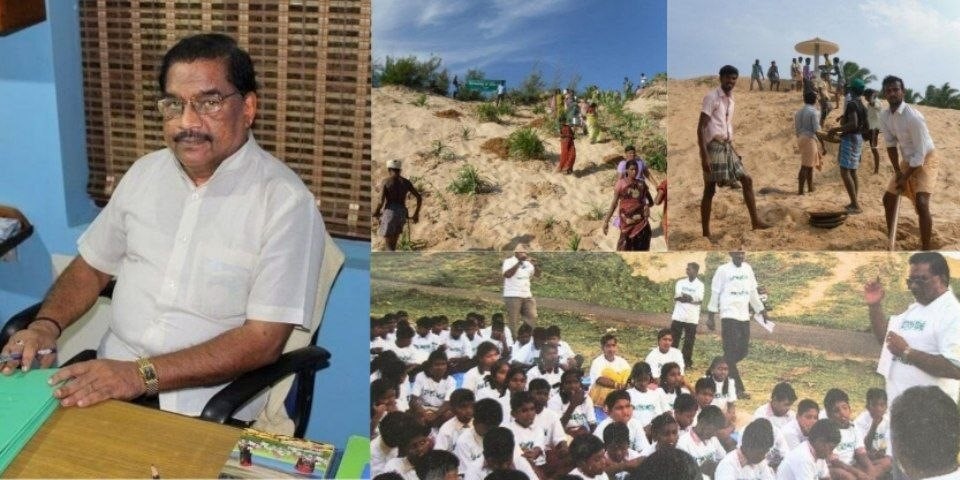
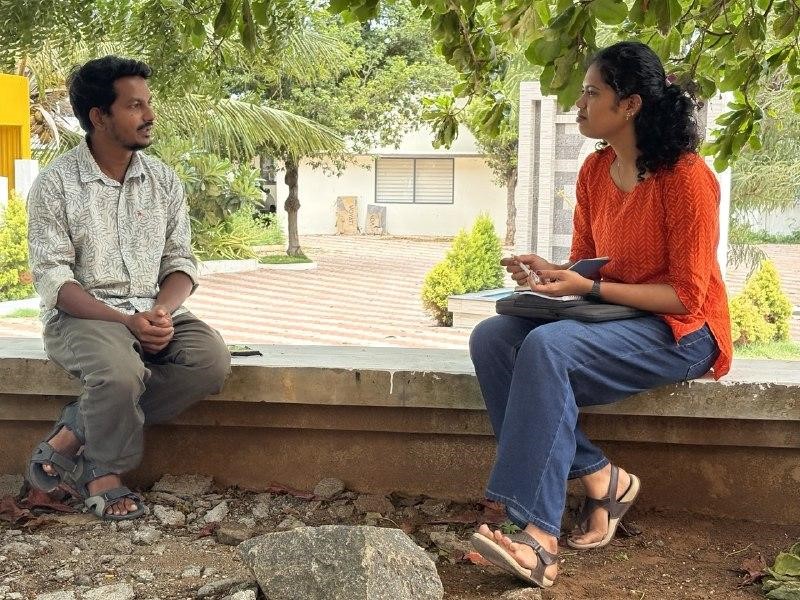
As part of the NIAS Climate Change, Civil Society and Peace (C3SP) initiative in collaboration with GPPAC South Asia, Lekshmi MK, Research Assistant at the National Institute of Advanced Studies (NIAS), Bengaluru, met and spoke with Mr Edison, Project Manager, SMIDS, discussing the organisation’s work with coastal communities, livelihood development, climate-related livelihood changes, and the experiences of women in Kanyakumari.
Stella Maris Institute of Development Studies (SMIDS) has been working with coastal communities since 2006, focusing on livelihood development, capacity building and access to credit. Through programmes linked with the National Bank for Agriculture and Rural Development (NABARD), the organisation supports coastal communities in developing livelihood opportunities and strengthening their access to loans and financial services. Its livelihood interventions have included skill-development and entrepreneurship programmes, including fish pickle making and shell-art activities.
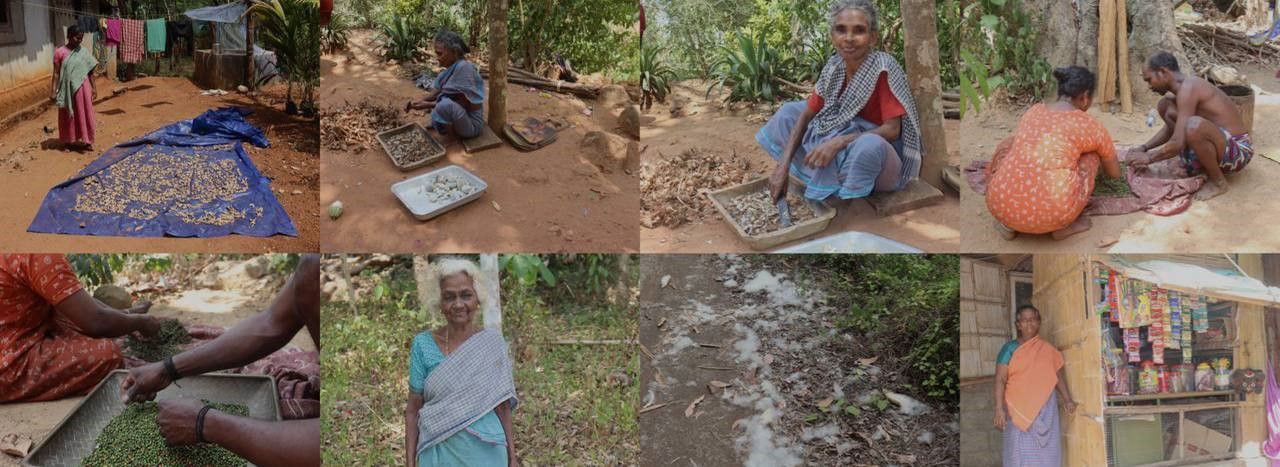
The organisation’s work takes place against a changing livelihood environment for coastal communities. Over the past four years, a decline in fish catch has affected fishing-based livelihoods. The availability of marine resources has also been influenced by factors such as bottom trawling and the use of banned fishing nets. According to the organisation, technological changes have also altered fishing practices, with modern applications increasingly being used to identify fish movements and fishing locations.
These changes have implications beyond the direct fishing economy. The decline in fish catch affects the wider chain of coastal livelihoods, including activities undertaken by women. At the same time, livelihoods promoted through skill-development programmes face market-related challenges. While training and capacity-building have enabled more people to enter activities such as shell art and fish-based products, the expansion of similar products has increased competition and reduced their uniqueness and demand.
The organisation's engagement with women also highlights the intersection between livelihood insecurity and household-level vulnerabilities. Women facing difficult household circumstances, including situations involving irresponsible or alcoholic husbands, have sought livelihood opportunities and greater economic independence. However, challenges such as limited savings and high household expenditure can affect their ability to manage and sustain their financial resources.
For SMIDS, therefore, livelihood resilience among coastal women is connected not only to providing skills and training but also to ensuring that these livelihoods remain economically viable in a changing coastal environment. The experiences of the communities point to the need to consider climate-related changes in fish availability, changing markets, financial management and women's economic security together when examining resilience among coastal households.
Reference
Stella Maris Institute of Development Studies. https://smids.org/
About the author:
Lekshmi MK is a Research Assistant at the National Institute of Advanced Studies, Bengaluru.